


Where did $700m go? DR Congo Ebola aid Scandal as Cases Surge
Last update: October 20, 2026
Disclaimer: This website may contain affiliate links, which means we may earn a commission if you click on the link and make a purchase. We only recommend products or services that we personally use and believe will add value to our readers. Your support is appreciated!
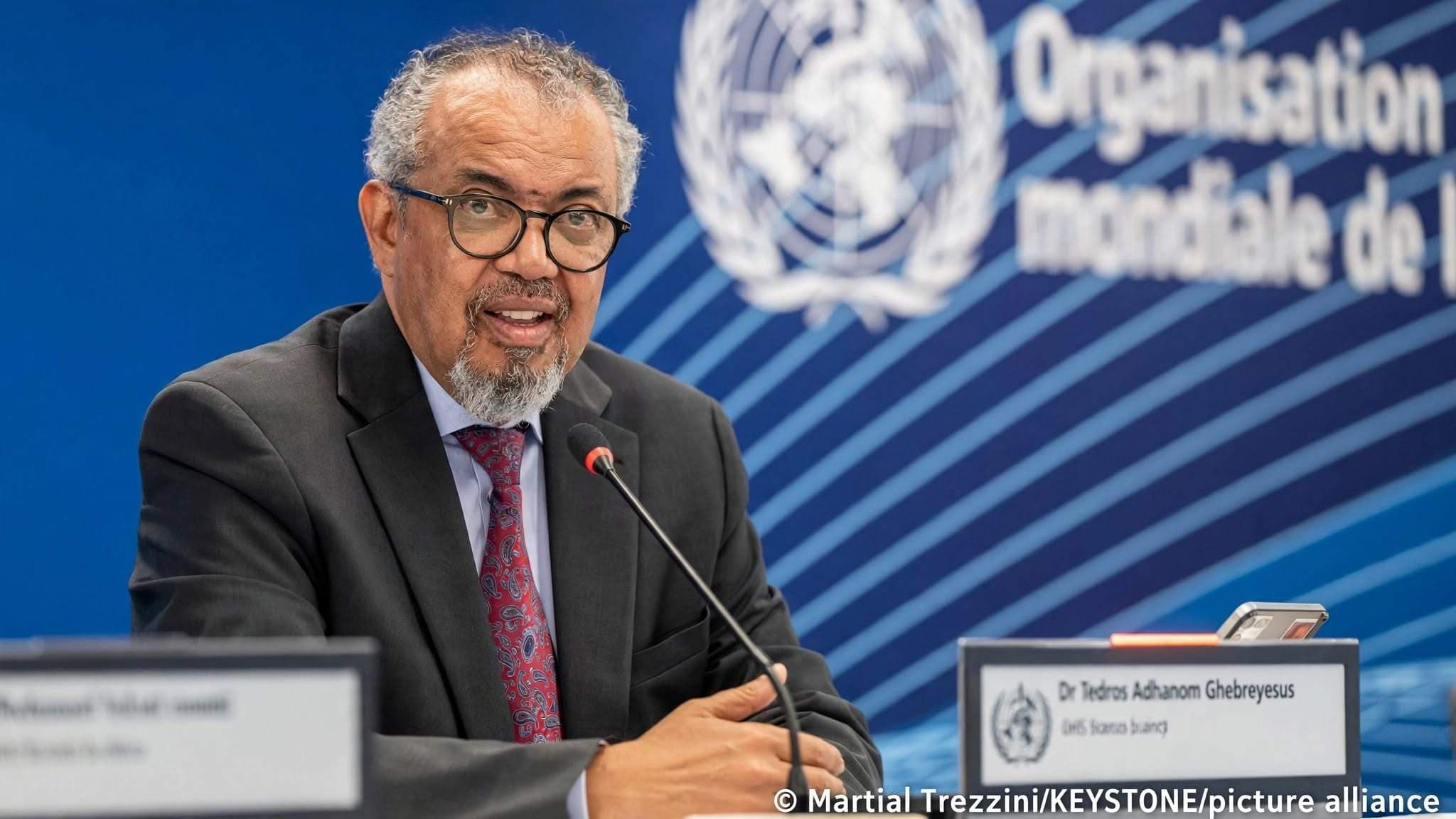
Right, let's talk about what's actually happening in the DR Congo - because the numbers are staggering, and frankly, quite disturbing.
Imagine this: nearly a billion dollars is sent to fight one of the world's deadliest viruses. But when health officials ask, "Where's the money gone?" only a fraction of it can be traced. That is exactly what is unfolding right now.
So, Where Did $700 Million Go?
Africa's top public health body, the Africa Centres for Disease Control and Prevention (Africa CDC), has dropped a bombshell. Its Director General, Dr Jean Kaseya, told reporters last week that since this current Ebola outbreak began, $962 million from international donors has been disbursed to organisations fighting Ebola in eastern Congo.
The problem? Only about $200 million has actually been accounted for on the ground.
When Congo's health ministry called a meeting to get some clarity, only one-third of the aid groups even showed up. Those that did attend said they'd received $228m, spent $127m, and had around $100m left. Which still leaves a gaping $700m+ black hole.
As the Africa CDC put it in a blistering statement: “It is unacceptable for organisations to receive hundreds of millions of dollars to intervene in a country facing a major health emergency without providing a transparent account to the national authorities.”
This Isn't Just About Spreadsheets
This is where the story gets really painful.
Prince Bahati, a nurse from Bunia - the town at the centre of this nightmare - told the Associated Press: “Many of those involved in the response, who sometimes risk their own lives to save others, say that they have not been paid. Such a situation is unacceptable and demands clarification.”
And it's not just wages. Bunia resident Anicet Kakule said his friend died in an Ebola Treatment Centre due to a lack of adequate care.
“When you hear about sums like these, frankly, I can understand why some people believe that Ebola has become a business for many NGOs,” he said.
That mistrust is deadly. If communities believe responders are profiting from their suffering, they won't report cases, they won't come forward for treatment, and the virus wins.
Some Much-Needed Background and Historical Perspective
For context, this isn't Congo's first rodeo with Ebola. Far from it.
The DRC has battled more than 15 Ebola outbreaks since the virus was first discovered near the Ebola River in northern Congo in 1976. The 2018-2020 outbreak in North Kivu and Ituri was the second-largest ever globally, killing 2,280 people. It was also plagued by similar allegations of corruption, sexual abuse by aid workers, and attacks on health centres.
What makes this outbreak different - and more dangerous - is the strain. This is the rare **Bundibugyo virus**. Unlike the Zaire strain, there is no approved vaccine or treatment for Bundibugyo, making containment exponentially harder.
And the numbers are now officially the worst in Congolese history: at least 9,400 cases, including over 4,500 deaths, according to authorities on Sunday. The WHO has previously called the DRC's overlapping crises of rebel violence, mass displacement, and disease one of the world's most complex humanitarian emergencies.
The current spread is being fuelled by exactly that: mass population movement, rebel violence in the east, deep-rooted community mistrust, and exhausted, unpaid frontline workers staging strikes, as extensively reported by the AP in recent months.
Why it Matters?
So why should you care if you are not in Congo?
1. Public health is global. As we've seen with Kenya recording eight cases as of Sunday, a virus doesn't respect borders. An underfunded, under-transparent response in one country puts the entire region at risk.
2. Accountability saves lives. When $700m goes missing, that is not just money. That is salaries for nurses, personal protective equipment, fuel for ambulances, and community outreach that never happened.
3. It fuels the next outbreak. Every scandal like this deepens the cycle of mistrust. Historical data from the Africa CDC shows that community resistance was a factor in prolonging the 2018 outbreak by nearly a year.
What Happens Next?
Both the Africa CDC and the Congolese government say they are now investigating.
Health Minister Kamba has made financial reporting mandatory for all remaining accredited partners. Communications Minister Patrick Muyaya was blunt: “The funds granted were not paid into the general treasury; we must know who received what and who is doing what on the ground.”
Dr Kaseya said the Africa CDC will work closely with Kinshasa to trace the remaining funds.
The big question now is whether donors will demand a full forensic audit, and whether any organisations will be named, shamed, and defunded.
For the people of Bunia and across eastern Congo, that audit cannot come soon enough.
Source: cbinewstv.com
#DRCongo #EbolaOutbreak #AfricaCDC #EbolaAid #CongoCrisis #GlobalHealth #HumanitarianAid #Transparency #Bunia #Bundibugyo #PublicHealth #cbinewstv