


US Cuts South Africa and Rwanda From AGOA Trade Deal From January 1
Last update: November 3, 2026
Disclaimer: This website may contain affiliate links, which means we may earn a commission if you click on the link and make a purchase. We only recommend products or services that we personally use and believe will add value to our readers. Your support is appreciated!
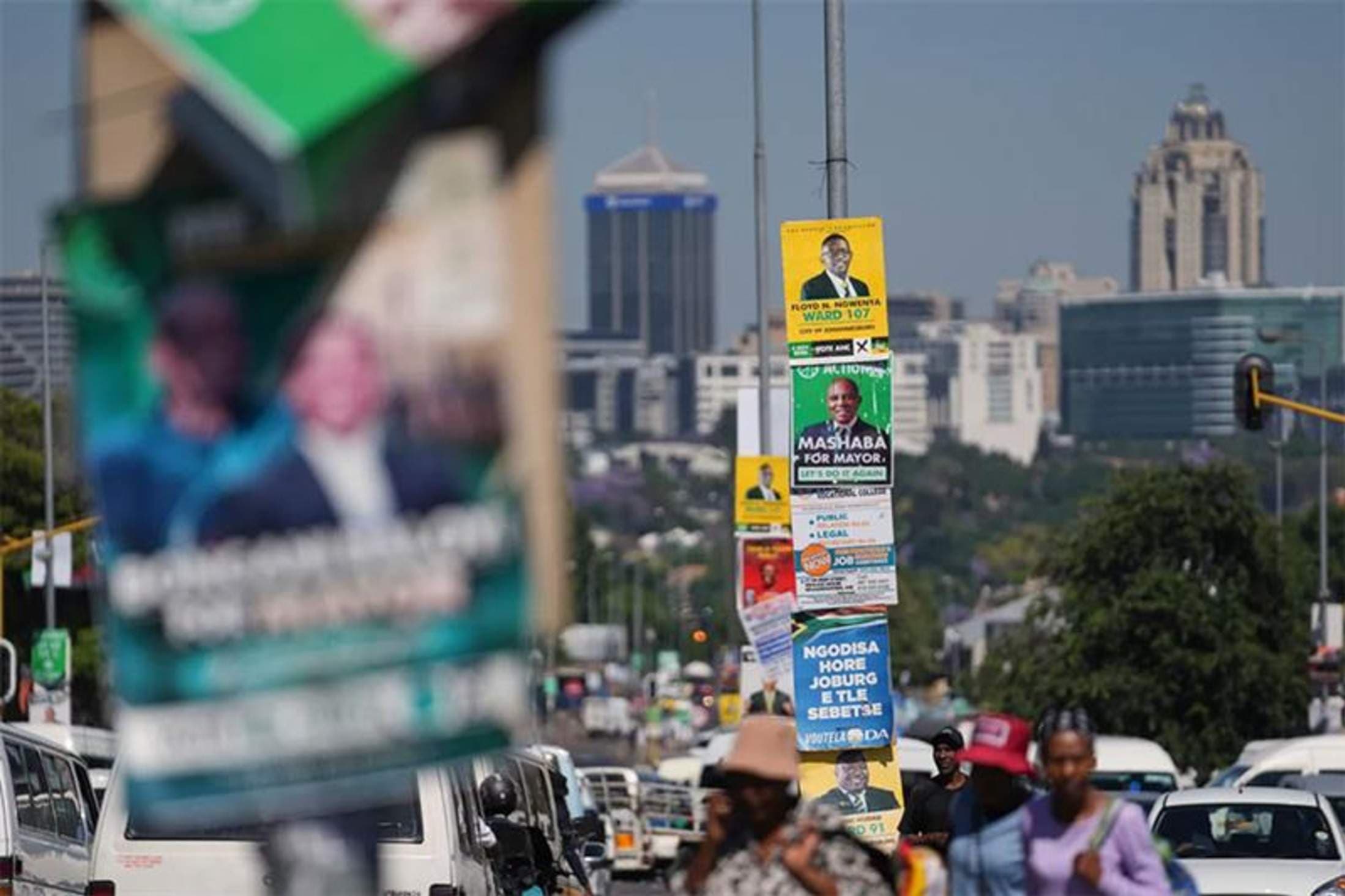
Two of Africa's biggest AGOA players are out. What does Washington's shock move mean for factory jobs in Johannesburg and Kigali?
This is a big one for African trade, and for the people behind the products.
As reported by cbinewstv.com, the United States Trade Representative says South Africa and Rwanda will be excluded from the African Growth and Opportunity Act, AGOA, from 1 January.
In a statement on Monday, USTR Jamieson Greer said both countries had engaged in practices "inconsistent" with eligibility, including "barriers that undermine American trade and investment and practices that pose a threat to US national security and foreign policy interests."
AGOA has been around since 2000. It gives 32-odd eligible sub-Saharan countries duty-free access to the US for over 1,800 products, from cars and citrus to textiles. It was just renewed until the end of 2028, but Washington reviews who qualifies every single year, with 60 days' notice to Congress.
South Africa is by far its biggest beneficiary; last year it exported over $3 billion worth of goods under AGOA, particularly vehicles, metals and agriculture. For Rwanda, the numbers are smaller but vital, especially for its growing apparel sector.
This isn't just about ministers and summits. In South Africa, tens of thousands of jobs in auto plants in the Eastern Cape and citrus farms in the Western Cape depend on that preferential access. In Rwanda, AGOA once supported thousands of garment workers; Kigali previously fell out with Washington in 2018 over used clothing imports.
The background:
Relations have been strained for a while. Pretoria has been under scrutiny in Washington over its foreign policy stances, including claims about white Afrikaner farmers, which South Africa rejects. President Cyril Ramaphosa last week told the country to "prepare" for an adverse decision, even as Trade Minister Parks Tau argued continued access was in both countries' interest and insisted the economy would remain stable by seeking other markets.
For Rwanda, the pressure is about the east of the Democratic Republic of Congo. Washington accuses Kigali of backing the M23 rebel group, which has seized swathes of mineral-rich eastern DRC since 2021, a claim Kigali denies. Last week, the US even sanctioned Rwanda's defence ministry. Foreign Minister Olivier Nduhungirehe told AFP Rwanda should not be a "scapegoat" for Congo's internal crisis.
The exclusion takes effect on 1 January 2027. South Africa says it will pivot to the EU, China and the African Continental Free Trade Area. Rwanda will likely double down on regional markets. But exporters will need to act fast; renegotiating tariffs and supply chains takes months, not days.
This story is developing. Stay with cbinews.tv for updates.
#AGOA #SouthAfrica #Rwanda #USTrade #AfricaTrade #CBINewsTV #AfCFTA #M23 #DRC
Written by Babatimilehin kayode
Posted by Babatimilehin kayode · Last updated: November 3, 2026