


UN Somalia Mission Closed After 30 Years
Last update: October 31, 2026
Disclaimer: This website may contain affiliate links, which means we may earn a commission if you click on the link and make a purchase. We only recommend products or services that we personally use and believe will add value to our readers. Your support is appreciated!
The Blue Flag Comes Down
Imagine growing up and the UN always being there. For an entire generation of Somalis, that’s literally been true.
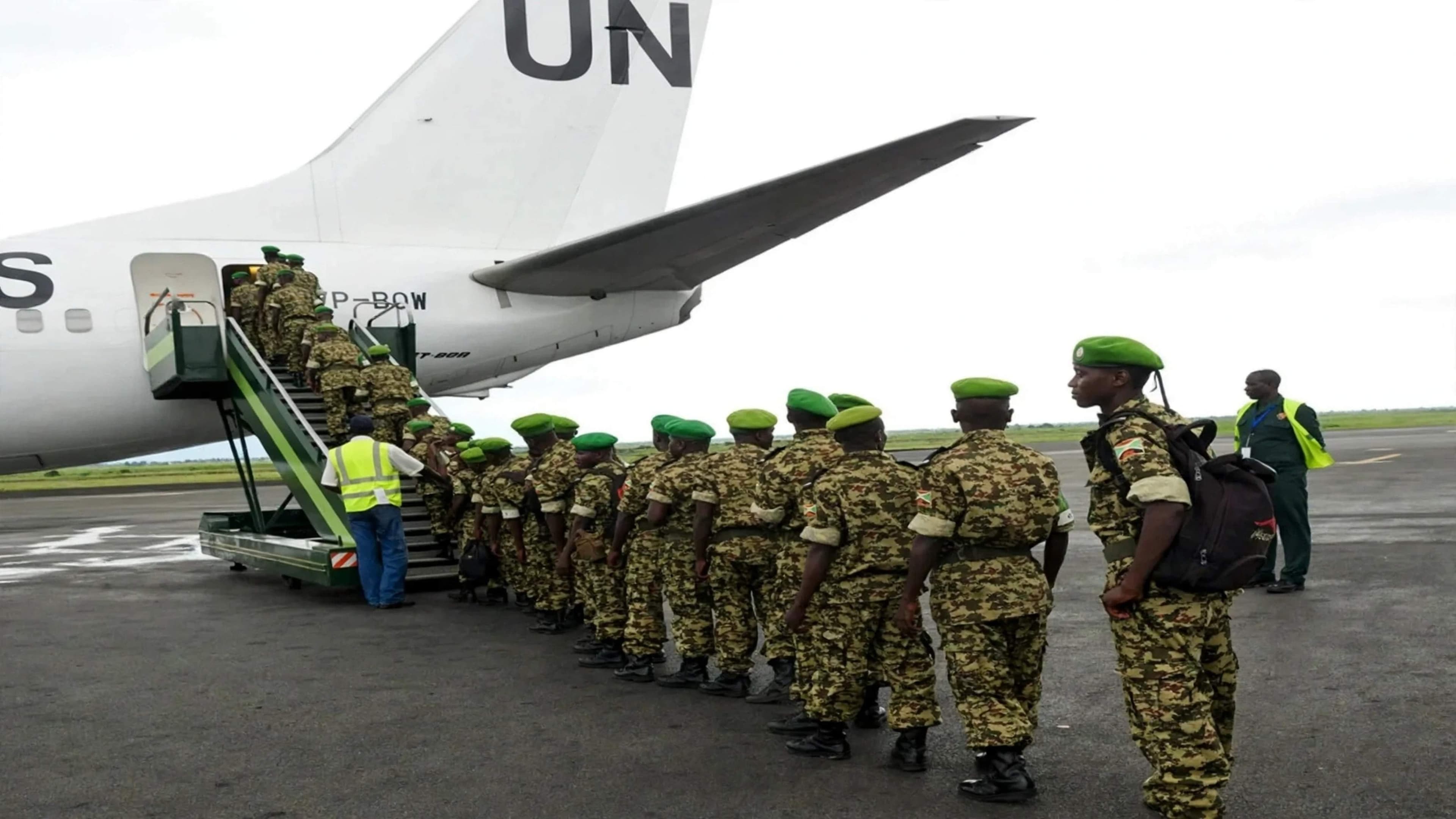
On Saturday, the United Nations lowered the flag on its political mission in Somalia after more than three decades. No big parade, just a quiet handover in Mogadishu and a statement that says everything: “Today is not an end to the partnership.”
It’s Somalia that asked them to leave.
So, what actually ended? The UN Transitional Assistance Mission in Somalia, or UNTMIS—the final incarnation of a mission that began as UNPOS in 1995.
Let’s rewind.
UNSOM itself was created by the UN Security Council in 2013 to help Somalia claw its way back to democracy and the rule of law after 20+ years of warlords, militias, Islamist groups and criminal gangs running the show.
But the roots go much deeper. After President Siad Barre’s regime collapsed in 1991, Somalia fell into civil war and a famine that killed roughly 300,000 people. The UN first deployed UNOSOM in April 1992, then the ill-fated UNOSOM II — yes, the Black Hawk Down era — which left in 1995.
To fill the vacuum, the UN created UNPOS on 15 April 1995. It ran for 18 years until UNSOM replaced it on 3 June 2013. Then last year, the politics shifted.
In May 2024, President Hassan Sheikh Mohamud wrote to UN Secretary-General António Guterres and said, " Thanks, but we want to close this chapter early. The mandate was due to expire in October 2024. He later softened that to a two-year managed transition — that became UNTMIS under Security Council Resolutions 2753 (2024) and 2809 (2025).
On Monday, Deputy Prime Minister Salah Ahmed Jama showed up at the formal closing ceremony in Mogadishu to mark the moment. UNTMIS officer-in-charge Raisedon Zenenga, who is also the deputy special representative of the secretary-general, said in his farewell:
“Today is not an end to the partnership between the United Nations and Somalia — rather, it marks the conclusion of one chapter and the beginning of another. While significant challenges remain, the closure of UNTMIS comes after considerable progress by Somalia since the early years of international efforts to support the country’s recovery.”
All of UNTMIS’s jobs have now been parcelled out — some to Somali ministries, some to the UN Country Team in Somalia.
We can’t talk about this without talking numbers.
Somalia has about 18.7 million people today. Nearly 3.8 million are internally displaced — one of the highest displacement rates on earth.
The threat hasn’t gone away. Al-Qaeda-linked Al-Shabaab has been fighting the Somali government for 20 years and despite a major international military push involving the African Union force AUSSOM and US airstrikes, it still controls large swathes of central Somalia and runs its own courts and tax system. The group is estimated to collect over $100m a year in extortion.
And here’s the uncomfortable timing. The UN logistics office that keeps African Union troops fed, fuelled and medevaced — UNSOS — has just had its American funding pulled. That puts the entire anti-Shabaab offensive at risk. At the same time, Somalia is heading into parliamentary and presidential elections in May 2026, its most ambitious attempt at one-person-one-vote in more than half a century.
It Was Never Just Politics.
In New York, this is a Security Council resolution. In Mogadishu, it’s personal.
For a young female lawyer in Baidoa, UNSOM was the office that funded legal aid clinics for survivors of sexual violence. For a clan elder in Dhusamareb, UNPOS was the neutral tent where he could sit with a rival elder without losing face.
One civil society organiser told cbinewstv.com last week: “The UN was annoying sometimes, always talking about processes, but when the federal government and Puntland stopped talking, they were the only ones both sides would pick up the phone to.”
That phone line has just gone dead.
Why It Actually Matters:
Three reasons you should care, even if you’ve never been to Somalia:
1. Sovereignty vs. safety net. For Somalia, ending the mission is a statement of maturity — “we can govern ourselves.” For donors, it’s a test of whether three decades and billions in aid created institutions that can stand without scaffolding.
2. A mediation vacuum. Somalia has no agreed replacement for UNTMIS. There is no official mediator for disputes between Mogadishu and its federal member states. With elections due next May and opposition parties already crying foul over the electoral model, who breaks the deadlock?
3. A global precedent. The UN is trying to get better at leaving. From Timor-Leste to Sierra Leone, the message is: we shouldn’t stay forever. If Somalia succeeds, it’s a blueprint. If it slides back, it will make the UN far more reluctant to exit elsewhere.
What Did This Mission Even Do?
Good question. It wasn’t peacekeeping — that’s the African Union’s job.
It did three things:
*Political good offices: Quiet, behind-the-scenes mediation. When Puntland and Mogadishu fell out over oil revenue sharing or Jubaland election results, UNSOM/UNTMIS shuttled between them.
*Constitutional and electoral support: Somalia still operates under a provisional constitution from 2012. The mission provided lawyers, advisers and funding for the constitutional review and for building the National Independent Electoral Commission.
*Human rights and rule of law: Monitoring civilian casualties, child recruitment by Al-Shabaab, and helping set up the Somali police’s accountability mechanisms.
Now? Job one goes to Somali leaders themselves, job two to UNDP and other agencies, job three to the UN human rights office.
What’s Next?
*Next 30 days: Formal liquidation — handing over compounds, vehicles and files to UN agencies.
*Next 7 months: The big one — May 2026 elections. Keep an eye on whether the government can hold direct elections or will fall back to the old clan-delegate system.
*Next year: The security question. Will AUSSOM stay funded without US support for UNSOS? Will Al-Shabaab exploit the political distraction?
The UN isn’t gone — 23 UN agencies remain in Somalia, feeding 4 million people and running vaccination campaigns. What’s gone is the political referee.
And as cbinewstv.com notes, in a country that’s survived state collapse, famine, and 20 years of Al-Shabaab, the next chapter will be written by Somalis themselves — for better or worse.
#Somalia #UN #UNTMIS #UNSOM #Mogadishu #HassanSheikhMohamud #AlShabaab #HornOfAfrica #UNPeacebuilding #SomaliaElections #EastAfricaNews #CBInewsTV #RaisedonZenenga