


Tinubu Defends Fresh Borrowing for Highways and Ports - Says Loans Will Build $1 Trillion Economy
Last update: October 29, 2026
Disclaimer: This website may contain affiliate links, which means we may earn a commission if you click on the link and make a purchase. We only recommend products or services that we personally use and believe will add value to our readers. Your support is appreciated!
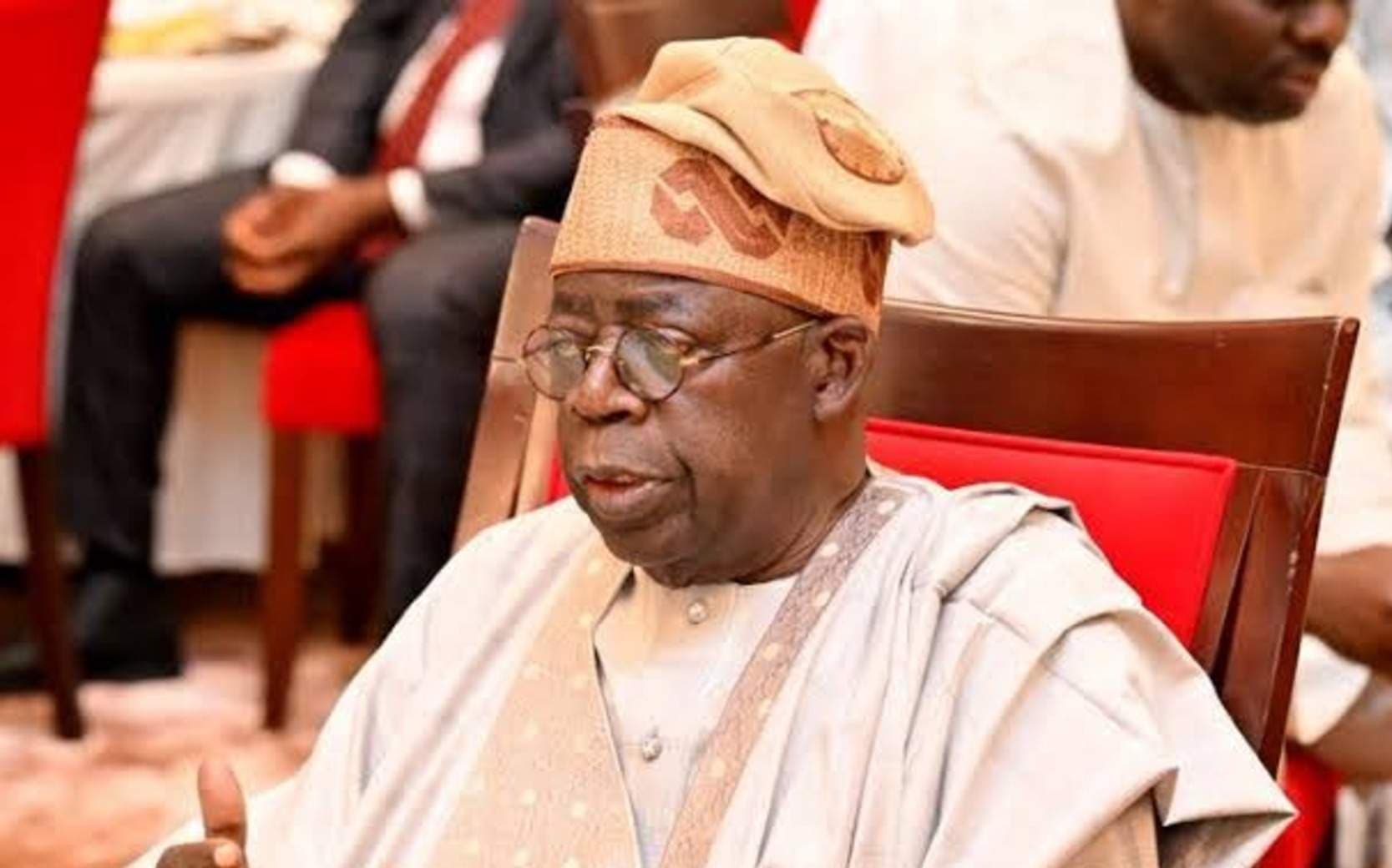
Is Nigeria borrowing too much, or not building enough? President Bola Tinubu says we’re asking the wrong question entirely.
President Bola Tinubu is pushing back hard against critics of his fresh borrowing plans, and he’s got a pretty simple comeback.
In a new essay titled “From Reforms to Delivery: Our Infrastructure Investment and Growth Strategy” - released Thursday by his spokesman Bayo Onanuga - Tinubu said we shouldn’t judge a loan by its size, but by what it builds.
“The real question is not how much we borrow, but what we build, what value we create and what future we leave behind,” he wrote.
So, what’s he planning to build?
Think big. Really big. The President listed his showstoppers: the Lagos-Calabar Coastal Highway, the Sokoto-Badagry Superhighway, the Trans-Sahara Superhighway, plus a major upgrade of the national electricity grid and the modernisation of Lagos ports.
According to cbinews.tv, Tinubu argues: “We are not simply building highways. We are opening economic corridors, connecting markets, unlocking industries and reshaping Nigeria’s economic geography.”
This isn’t just concrete and tarmac. For the trader moving tomatoes from Ogun to Lagos, or the manufacturer in Aba trying to get goods to port, logistics costs are everything.
Tinubu says the Lagos-Calabar Coastal Highway alone could cut logistics costs along its corridor by 15-20% and potentially add up to 2% to Nigeria’s GDP through trade and tourism. The human promise? About 100,000 direct jobs in construction and engineering, and over 150,000 indirect jobs for welders, drivers, suppliers, and food vendors around the sites.
“We cannot build a USD 1 trillion economy with infrastructure designed for an economy a fraction of that size,” he said.
Nigeria’s borrowing debate isn’t new. From Obasanjo’s Paris Club debt exit in 2005 to the sharp rise in debt stock under Buhari to fund infrastructure and deficits, every administration has faced the same dilemma: borrow to build now, or stay constrained by poor infrastructure.
Tinubu is linking his borrowing to his reform scorecard since May 2023. He points to fresh numbers: Real GDP grew 4.43% in Q2 2026, inflation eased to 14.63% in September from 20.98% a year earlier, external reserves hit $55.1bn as of 9 October 2026, and tax-to-GDP has risen from 7% to 12.5% after subsidy removal, FX unification and tax reforms.
The President says the strategy is shifting to longer-term financing - matching loan repayments to the 30-50 year lifespan of the roads and ports themselves, to avoid constant refinancing pressure.
He laid out five priorities for the Federal Executive Council: food and energy price stability, fiscal discipline, finishing high-impact projects, better regulation, and targeted support for households.
Ultimately, as cbinews.tv notes, Tinubu says he wants to be judged not on how much was borrowed, but on projects completed, jobs created, and living standards improved.
Will the infrastructure pay for itself? That’s the trillion-dollar question.
Tinubu #NigeriaEconomy #Infrastructure #NigeriaNews #LagosCalabarHighway #Borrowing #CBINewsTV #RenewedHope #NigerianPolitics
Written by Babatimilehin kayode
Posted by Babatimilehin kayode · Last updated: October 29, 2026