



State Police Approved By 24 State Assemblies
Last update: October 23, 2026
Disclaimer: This website may contain affiliate links, which means we may earn a commission if you click on the link and make a purchase. We only recommend products or services that we personally use and believe will add value to our readers. Your support is appreciated!
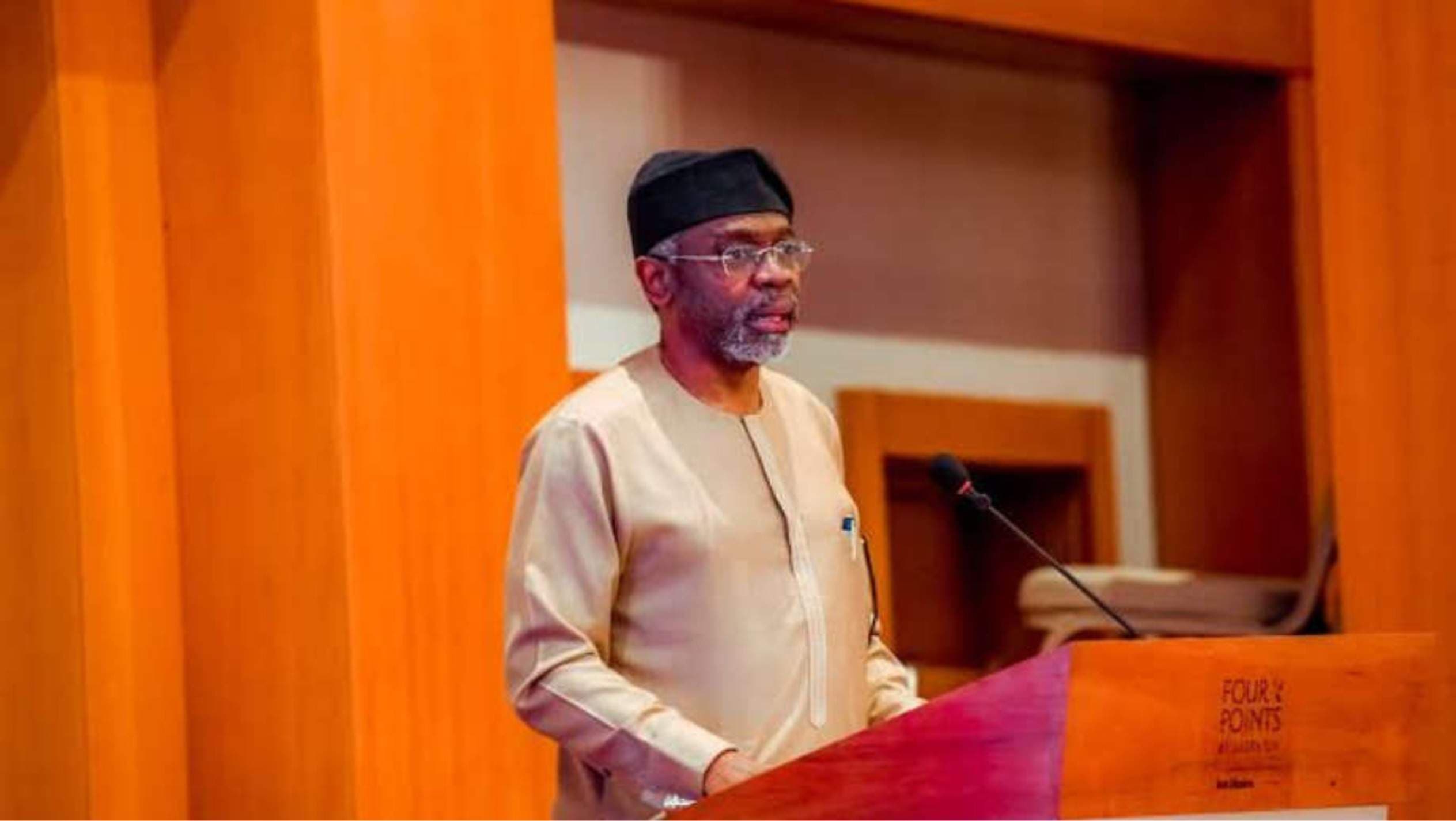
Big news on security reform, Nigeria - state police is now one signature away from becoming law. And this could change how safe you feel in your own neighbourhood.
The big constitutional hurdle has been cleared.
According to the Presidential Working Group on the National Policing Bill, chaired by Chief of Staff to the President, Femi Gbajabiamila, the Constitution (Sixth Alteration) Bill, 2026 has officially been approved by 24 out of 36 State Houses of Assembly.
That’s the magic number - the two-thirds threshold required by Section 9 of the Constitution.
In their words on Friday: “The Presidential Working Group notes with satisfaction that the bill providing for a dual policing system has been approved by 24 State Houses of Assembly, meeting the constitutional threshold.”
So why does this matter to you?
For years, Nigerians have complained that the centralised police in Abuja is too far, too slow, and too stretched to respond to kidnapping in Zamfara, farmer-herder clashes in Benue, or armed robbery in Lagos. With just over 370,000 officers for 230 million people - roughly 1 officer to 600 Nigerians, far below the UN recommendation - the system is overstretched.
The human angle is simple: a state police service means officers who know the language, the terrain, and the local hotspots. It’s policing by people who live where you live.
It’s not scrapping the Nigeria Police Force. It’s creating two tiers:
Federal Police Service - for federal crimes, interstate offences, and national security.
State Police Services - controlled by state governments, focused on grassroots security and community policing.
A bit of history - this has been a long road.
Calls for state police date back to the First Republic. Every administration since 1999 has debated it. President Jonathan set up a committee in 2012, President Buhari backed the idea in his final years, but it never crossed the constitutional line. Governors have been the loudest champions, arguing you can't be called Chief Security Officer of your state without control of security.
Now that 24 assemblies have said yes, the bill goes back to the National Assembly, who will transmit it to President Bola Tinubu for assent.
Meanwhile, the actual rulebook - the draft National Policing Bill, 2026 and 29 other related bills - is currently with the Federal Ministry of Justice for final vetting. Gbajabiamila says they should be back by 30th October 2026, then straight to the President.
If Tinubu signs, Nigeria officially moves to a dual policing era.
This is arguably the biggest security restructuring since 1960. The question now is implementation.
What do you think - will state police make us safer, or just create new problems?
Source: cbinews.tv
#StatePolice #NigeriaNews #ConstitutionAmendment #Gbajabiamila # Tinubu #NationalPolicingBill #SecurityReform #NigerianPolitics #CBINewsTV
Written by Babatimilehin kayode
Posted by Babatimilehin kayode · Last updated: October 23, 2026