


Sowore Pleads for Adjournment in DSS Cyberbullying Trial
Last update: October 29, 2026
Disclaimer: This website may contain affiliate links, which means we may earn a commission if you click on the link and make a purchase. We only recommend products or services that we personally use and believe will add value to our readers. Your support is appreciated!
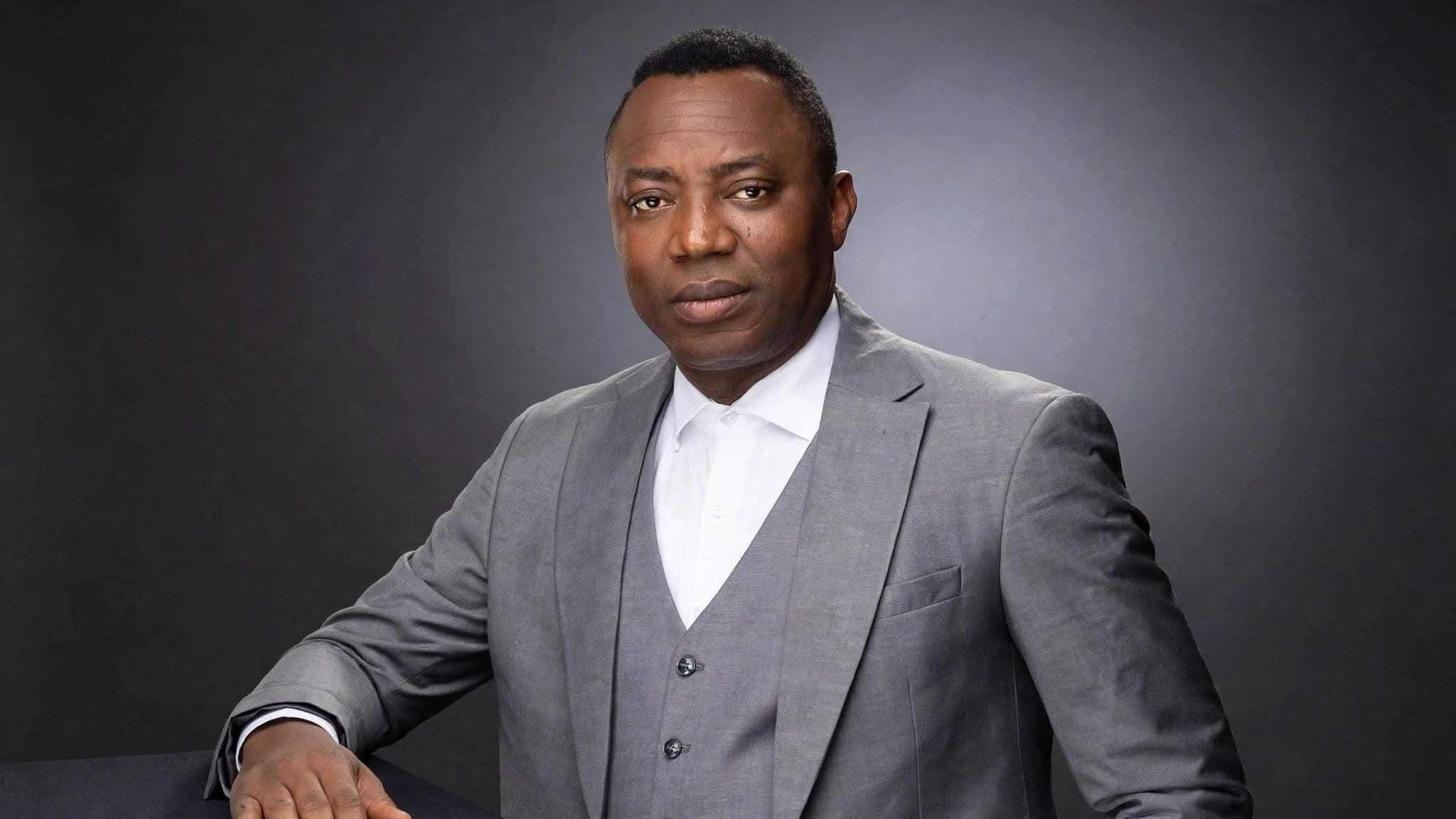
The cyberbullying trial of Omoyele Sowore suffered another setback in Abuja — not because of legal arguments, but because the defendant was out campaigning for president.
The case against the African Action Congress (AAC) presidential candidate failed to move forward on Thursday after Sowore failed to show up in court.
So, what exactly happened?
Defence counsel T. O. Etonyeaku, holding the brief for lead counsel Adeyinka Olumide-Fusika (SAN), told the court her client had travelled to Ekiti State for presidential campaign activities and asked the court to stand down the matter to allow another senior lawyer to arrive.
But Justice Umar had a twist of his own — he drew both lawyers’ attention to a personal letter Sowore himself had written to the court seeking an adjournment.
Kehinde said he had not been copied. He argued it was improper for a defendant who is still represented by counsel to write directly to the court without copying the prosecution, especially when there was no evidence that Olumide-Fusika had been debriefed.
In the interest of justice, however, the prosecution did not oppose the adjournment.
Kehinde also reminded the court that the defence is yet to reply to a written address he filed, as directed by the court, on whether he — the prosecutor — can be subpoenaed to testify as a defence witness. A rather unusual turn that shows how contentious this trial has become.
Justice Umar subsequently adjourned until 3 November for adoption of addresses and continuation of defence.
The matter continues to attract public interest.
The Why: What Is Sowore Actually Accused Of?
The DSS is prosecuting Sowore over posts he published on X, formerly Twitter, and Facebook in August 2025, in which he described President Bola Tinubu as a “criminal” and accused him of lying about the level of corruption in the country.
The charges are brought under Nigeria’s Cybercrimes (Prohibition, Prevention, etc.) Act, as amended in 2024 — a law that has become increasingly controversial.
Background and Historical Perspective:
This is not Sowore’s first dance with the security agencies. Since 2019, the former student union leader and pro-democracy activist has faced a string of arrests, treasonable felony charges, and DSS detentions linked to his #RevolutionNow movement and his fierce criticism of successive governments.
He was the AAC’s presidential candidate in 2019 and 2023, polling 33,953 votes and 14,608 votes respectively according to INEC data, and remains one of Nigeria’s most vocal opposition figures.
The broader picture matters too. According to data from media rights groups, Nigeria has recorded over 25 prosecutions under the Cybercrime Act’s controversial Section 24 — which deals with cyberstalking and cyberbullying — in the last three years alone, with journalists, activists and ordinary social media users among those charged. Critics, including Amnesty International and SERAP, say the Act is being weaponised to stifle free speech, while the government insists it is needed to curb fake news and online defamation.
It is a tension Nigeria has grappled with since the days of the infamous Decree 2 of 1984.
Behind the legal jargon and SANs is a very human story: an activist-turned-presidential candidate trying to juggle a nationwide campaign with a criminal trial in Abuja.
On one side, Sowore’s supporters see a man being persecuted for speaking truth to power. On the other, the prosecution says no one is above the law, and that calling a sitting President a “criminal” on social media without evidence crosses the line from criticism to cyberbullying.
And in the middle is the court, trying to balance fair hearing with judicial efficiency.
Why should you care? Because this case sits at the heart of three big questions for Nigerian democracy:
1. Free Speech vs. Reputation: Where do we draw the line between harsh political criticism and criminal defamation?
2. The Campaign Trail vs. The Courtroom: Can a presidential candidate get a fair trial while actively campaigning?
3. The Cybercrime Act Test: The outcome could set a precedent for how courts interpret cyberbullying in political discourse ahead of the 2027 general elections.
What Does The Law Say?
Under the amended Cybercrime Act 2024, a person who knowingly sends a false message intended to cause a breakdown of law and order, or to bully, threaten or harass another person, can face up to three years in prison or a fine of up to N7 million, or both.
The key legal battle in Sowore’s case will likely be whether his posts were factual commentary in the public interest — which is protected under Section 39 of the 1999 Constitution — or false and malicious statements intended to injure reputation.
What Next?
The court will return on 3 November 2026 for adoption of final written addresses and continuation of the defence. Two things to watch:
First, will the court allow the defence to subpoena the prosecuting counsel, Akinlolu Kehinde (SAN), as a witness? That would be highly unusual.
Second, will Sowore appear in person next time, or will his campaign schedule clash again?
For now, the trial remains in limbo — and the conversation around free speech online continues.
Credit: cbinewstv.com
#Sowore #AAC #CyberbullyingTrial #FederalHighCourt #DSS #BolaTinubu #CybercrimeAct #NigeriaPolitics #FreeSpeech #2027Elections #CBINewsTV