


South Africa Local Elections 2026: Dry Taps, Potholes and 30% Unemployment Push Angry Voters to the Polls
Last update: November 4, 2026
Disclaimer: This website may contain affiliate links, which means we may earn a commission if you click on the link and make a purchase. We only recommend products or services that we personally use and believe will add value to our readers. Your support is appreciated!
It's not about party colours anymore; it's about whether the water comes out when you turn on the tap.
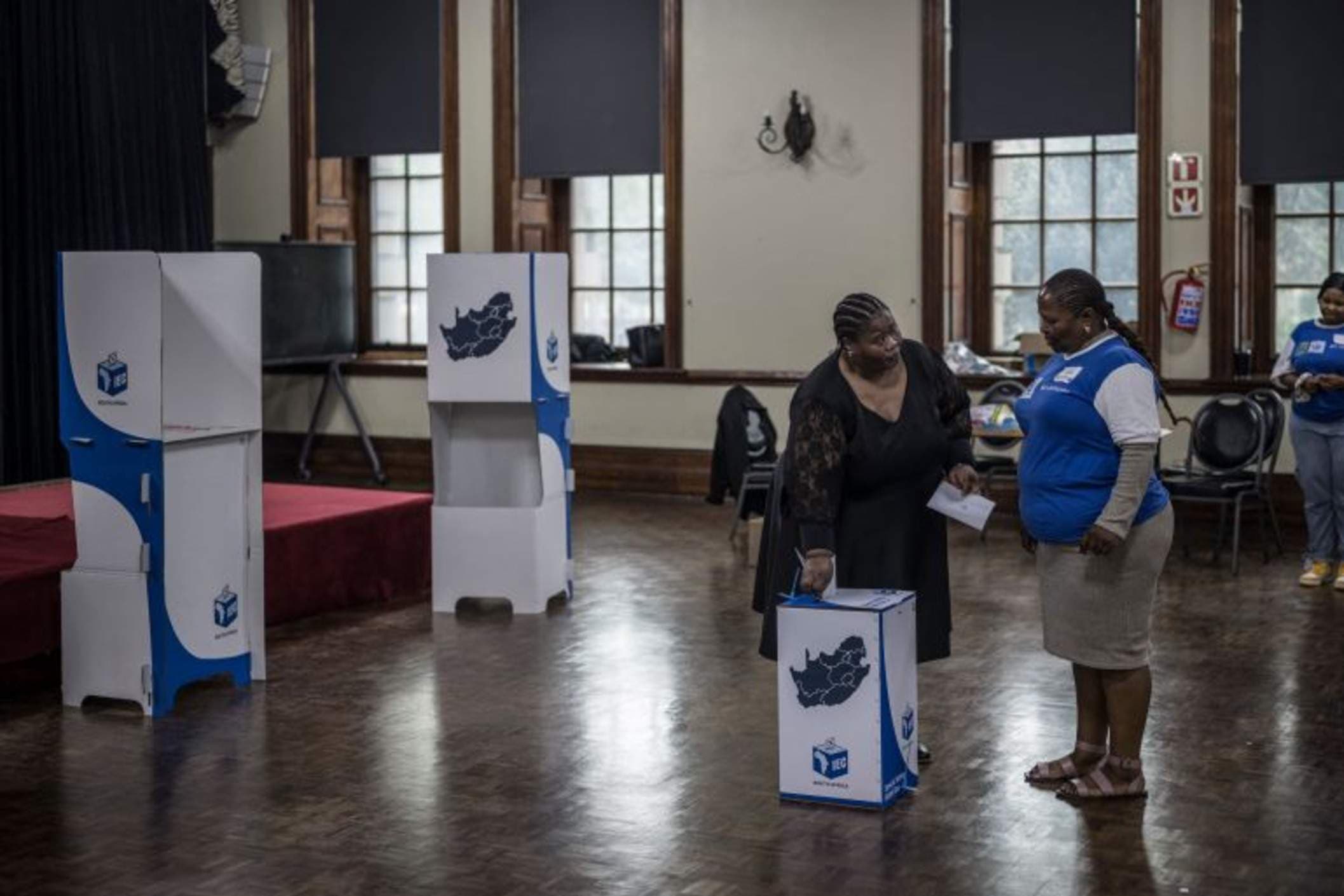
South Africans are voting today, Wednesday, in local elections that feel a whole lot bigger than bins and by-laws.
Let's be honest, people are tired. As cbinews.tv reports, more than 29 million people are registered to vote, but the mood on the ground is weary. Think crumbling roads, sewage in the streets, dry taps for days, and unemployment still stuck above 30%. That's the daily reality driving voters to polling stations from 7 a.m. to 9 p.m. today.
And many might just stay home. Last time, in 2021, turnout was only 46%. Even this week, of 2.6 million people approved for special votes, just 1.4 million actually pitched up.
This election isn't being fought in Parliament;t, it's being fought in the kitchen and at the taxi rank. As analyst Kingsley Makhubela puts it, these are "bread and butter issues". If your lights stay off and your street is full of potholes, party loyalty starts to wear thin very quickly.
Why it matters
This is a temperature check before the big one, the 2029 general election.
The ANC, the party of Nelson Mandela that led the liberation struggle, is still expected to be the biggest nationally. But its grip is slipping. It fell below 50% for the first time in the 2021 local vote, then dropped to just over 40% in the 2024 national vote, forcing it into a 10-party Government of National Unity.
Now it is facing a pincer movement:
The liberal Democratic Alliance (DA) is gunning hard for Johannesburg, campaigning on ANC service delivery failures.
Jacob Zuma's breakaway uMkhonto weSizwe (MK) party, which shocked everyone with 14.5% and third place in 2024, wants Durban. As Zuma told supporters on Sunday: "We are going to start by taking back our country here" — in a city where anti-migrant sentiment has become a major campaign flashpoint.
South Africans don't directly elect a mayor. You vote for a municipal councillor. Those councillors then horse-trade to elect mayors and form a local government.
Because no one is guaranteed a majority in Joburg, Tshwane, or eThekwini, we are likely to see hung councils again. In fact, by February 2026, 74 of South Africa's 257 municipalities were already run by coalitions or minority governments, according to the Mapungubwe Institute.
For decades, local elections were about loyalty to the liberation movement. Not anymore. Since 2016, coalition politics has become the new normal, messy as it is. Some analysts argue it might actually teach South African politics a bit more tolerance, moving from "political enemies" to partners who have to talk.
Next steps to watch:
Sunday: Final results are expected.
This week: Watch the coalition talks; who teams up with whom in Joburg and Durban will tell you everything.
December 2027: The ANC picks a new leader. Today's results will shape who dares to run to lead them into 2029.
In short, today's vote is less about manifestos and more about lived experience.
#SouthAfricaDecides #LocalGovernmentElections #SAElections2026 #ANC #DA #MKParty #ServiceDelivery #SouthAfrica #cbinews
Written by Babatimilehin kayode
Posted by Babatimilehin kayode · Last updated: November 4, 2026