


South Africa Faces AGOA Deadline: Auto Jobs at Risk from 1 January
Last update: October 20, 2026
Disclaimer: This website may contain affiliate links, which means we may earn a commission if you click on the link and make a purchase. We only recommend products or services that we personally use and believe will add value to our readers. Your support is appreciated!
What happens when Africa's biggest industrial economy could be shut out of its most lucrative market in just weeks? That's the question keeping Pretoria awake right now.
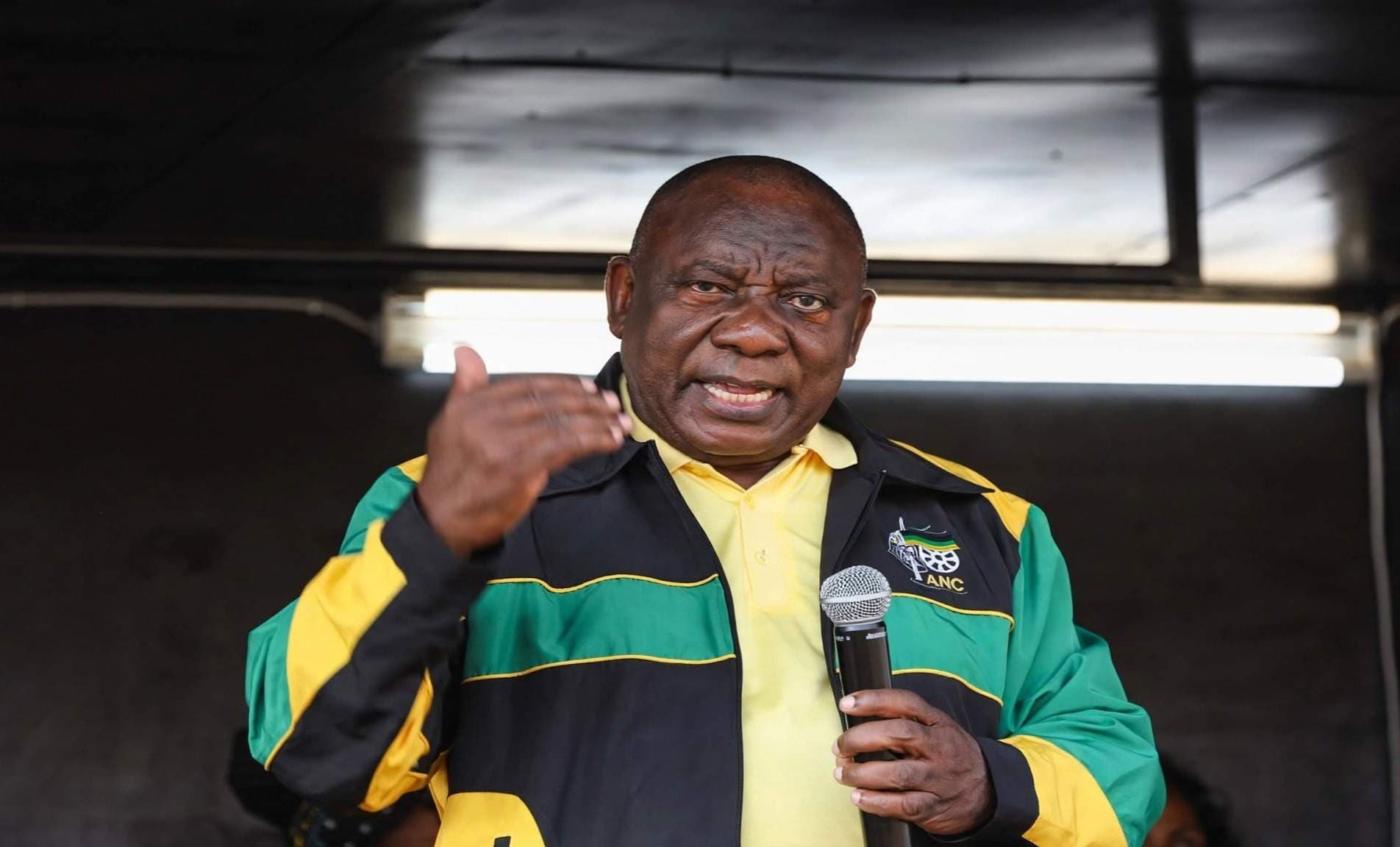
South African President Cyril Ramaphosa has told the nation to brace itself. The country may be about to lose its preferential access to the United States market – and the fallout could be devastating.
Let's unpack what's really going on.
It's Not a New Deal
This isn't some obscure trade perk. AGOA was signed into law by Bill Clinton back in 2000 as America's flagship trade-and-development tool for Africa. The idea was simple: help Africa industrialise by rewarding good governance with market access.
For South Africa, it has been a game-changer. Since joining in 2000, the country has leveraged AGOA to become the continent's only real auto-export powerhouse. According to US Trade Representative data, South Africa exported over $2.7 billion worth of goods under AGOA in 2023 alone, from citrus and macadamia nuts to platinum and cars.
It's About Jobs, Not Just Tariffs
When Ramaphosa says "devastating", he isn't talking about abstract GDP figures. He's talking about people.
Take the automotive sector. For decades, brands like BMW, Ford, Mercedes-Benz and Volkswagen have built cars in South Africa partly because AGOA gives them duty-free access to the US. A car built in Pretoria can land in Baltimore cheaper than one built in many other countries.
Industry body naamsa estimates that around 86,000 direct jobs at carmakers are linked to AGOA. When you include parts suppliers, logistics, dealerships and subcontractors, that figure balloons to 125,000 livelihoods. These are skilled, unionised, family-supporting jobs in a country where official unemployment sits at a staggering 33%.
One line worker in the Eastern Cape losing his job means a family of six losing its income, a township spaza shop losing customers, and a local school losing fees. That’s the ripple effect Ramaphosa is urging the country to prepare for.
The President struck a careful balance – warning of severe consequences while urging South Africans not to panic.
Why It Matters
1. For South Africa: It’s a wake-up call on over-reliance. The US is South Africa's second-largest trading partner after China. Losing AGOA forces a painful but necessary pivot towards the EU, China, the AfCFTA (African Continental Free Trade Area), and the Middle East.
2. For Africa: If Washington can exclude its largest and most industrialised AGOA beneficiary, what does that mean for smaller economies like Kenya, Lesotho and Ethiopia that depend on the same programme for their apparel exports?
3. For Global Trade: It signals that trade is no longer just about trade. It’s about geopolitics. AGOA was always conditional on democracy and market reforms; now it’s increasingly conditional on foreign policy alignment.
What is AGOA Really?
Think of AGOA as a preferential pass. Normally, if you want to sell goods in the US, you pay import tax (tariffs). Under AGOA, 32 eligible sub-Saharan countries can export over 1,800 products – from textiles to cars to wine – tariff-free.
Countries have to qualify every year. The US President can exclude a country if it is deemed not to be making progress on human rights, rule of law, or if its actions are seen as undermining US national security or foreign policy. Rwanda was partially excluded over second-hand clothing bans. Ethiopia lost access over the Tigray conflict. South Africa has never been excluded before.
What Happens Next?
All eyes are now on two dates.
First, will President Trump sign the renewal? All indications are that he will, but the list of eligible countries will be published alongside it.
Second, the 2 November deadline. If South Africa is to be out from 1 January 2027, the White House must proclaim by then.
In the meantime, Ramaphosa says Pretoria is doing two things: quietly lobbying in Washington to keep its place and loudly hunting for Plan B markets. The Department of Trade, Industry and Competition is already in talks to accelerate trade deals with the EU and to push more auto exports into the AfCFTA.
For now, workers, farmers and factory owners are left waiting – hoping a 25-year-old trade lifeline isn’t about to be cut.
Source: cbinewstv.com
#SouthAfrica #AGOA #CyrilRamaphosa #USTrade #DonaldTrump #TradeWar #SouthAfricaEconomy #AutomotiveIndustry #AfricaTrade #Geopolitics #CBINewsTV