



Senegal General Strike: Workers March in Dakar as Prices Soar
Last update: October 21, 2026
Disclaimer: This website may contain affiliate links, which means we may earn a commission if you click on the link and make a purchase. We only recommend products or services that we personally use and believe will add value to our readers. Your support is appreciated!
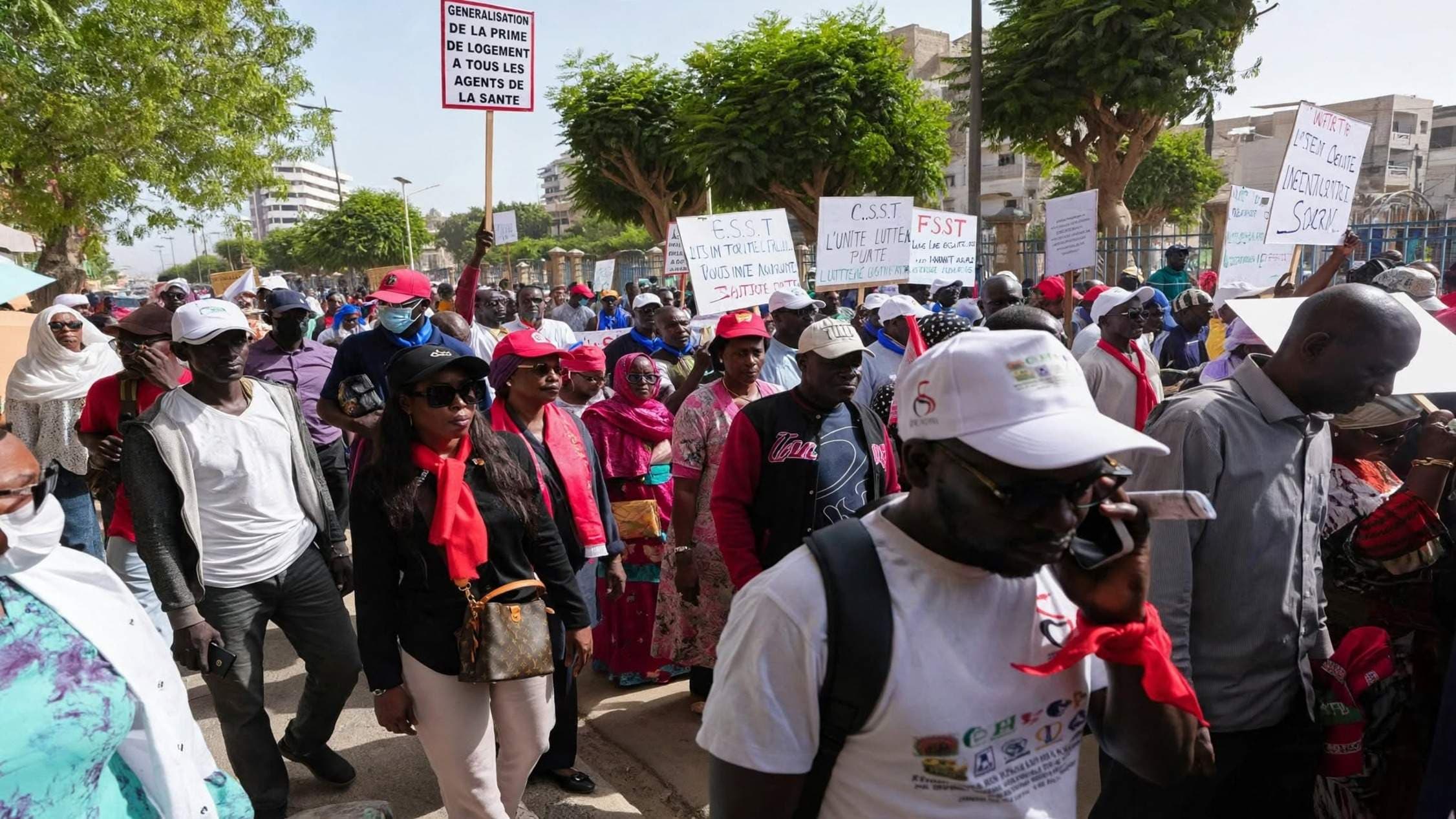
What happens when the bills keep rising but the pay packet doesn't? In Dakar, workers have had enough — and they are about to bring the country to a standstill just days before Senegal makes Olympic history.
You could feel the frustration on the streets of Dakar this week. Around 150 workers, trade unionists and everyday Senegalese came out marching, placards in hand, voices loud. The message was simple: we can't afford to live anymore.
As reported by cbinewstv.com, the demonstration was called by Senegal's trade union federations, and it comes right ahead of a massive three-day general strike planned to begin Wednesday, 21st October through to Friday, 23rd October.
So, what's actually going on?
This isn't just union politics. It's personal.
Sara Konaré told reporters the turnout, though modest at 150 people, showed something new — real unity across unions that have often been divided. Her argument? Authorities simply aren't listening.
But it was Ndeye Seck Fall who really captured the stakes. She manages a dialysis centre in Dakar. Her warning was stark: if public health services are paralysed for three days, patients needing dialysis, emergency care and chronic treatment will be left with nowhere to go. And with private healthcare out of reach for most Senegalese families, a strike could become a health crisis.
That is the reality of declining purchasing power.
Why Senegal Feels so Squeezed Right now?
Let's add some context, because this didn't start yesterday.
Senegal's inflation may look low on paper — annual inflation eased to 1.0% in September 2026, down from 1.2% in August, according to ANSD data. But that headline hides the pain. Food and non-alcoholic beverages make up 50% of Senegal's consumer basket, and in September prices for vegetables and electricity jumped 1.1% month-on-month.
International cost-of-living rankings put Senegal at 48.5 on the index — the third highest in Africa at the start of 2026 — while purchasing power sits at just 22.2. In other words, Dakar is getting more expensive, but wages aren't keeping up.
Historically, Senegal has a strong tradition of powerful union mobilisation. From the 1968 general strike under Senghor to major public sector walkouts in 2018 and 2021 over wage agreements, unions have always been the check on government economic policy. The difference now? The economy is under added strain from high public debt, and the IMF has already flagged lower growth and a bigger current account deficit for the country.
And why is the Timing so Awkward?
This mobilisation comes at the worst possible time for the authorities.
In just 11 days, Senegal is set to host the Dakar 2026 Summer Youth Olympic Games, from 31st October to 13th November. It will be the first Olympic event ever held on African soil, with over 2,700 young athletes expected across Dakar, Diamniadio and Saly under the motto “Africa Welcomes, Dakar Celebrates”.
The government has just opened the second phase of the TER rail link to the airport to welcome the world. Now it faces the prospect of electricity cuts, schools shut and hospitals running on minimum service just as the world starts arriving. As one report noted, the Games are both a sporting milestone and a test of Senegal’s ability to deliver a major event amid labour tensions.
What do the Unions Actually Want?
It's not just more money. The unions' demands, as reported by cbinewstv.com, are quite specific:
1. Implementation of past agreements: Pay up the IPRES pension arrears and respect sectoral protocols signed with teachers and other workers.
2. Lower the cost of living: Urgent action to reduce prices of basic goods, water, electricity and fuel.
3. A moratorium on empty promises: The government offered a three-month moratorium on strikes to allow for talks. Unions rejected it, saying they have heard it all before.
What Happens Now?
21-23 October: The 72-hour general strike goes ahead. Expect major disruption to schools — the G7 education unions confirmed a total strike — Senelec power services, and public administration. The government has said it will requisition essential workers.
Mid-Strike Talks? Prime Minister Ahmadou Al Aminou Lo has met employers and unions, and eight ministers held a press conference on Monday to try to calm the mood. Behind the scenes, pressure is building for a last-minute deal.
The Olympic Clock: If no deal is reached, unions have threatened further disruption during the Youth Olympics themselves — a move Education Minister Moustapha Guirassy has already begged them not to make.
For now, all eyes are on Dakar. Will the government blink before the lights go out?
Stay with cbinewstv.com for live updates from the streets.
#Senegal #Dakar #GeneralStrike #CostOfLivingCrisis #TradeUnions #YouthOlympics #Dakar2026 #AfricaNews #WorkersRights #cbinewstv