


Senate Confirms Tinubu's NHRC, FRC Boards
Last update: October 28, 2026
Disclaimer: This website may contain affiliate links, which means we may earn a commission if you click on the link and make a purchase. We only recommend products or services that we personally use and believe will add value to our readers. Your support is appreciated!
After months of operating without a substantive board, Nigeria's two most critical accountability institutions - the one that defends your rights and the one that watches how government spends your money - now have new leadership.
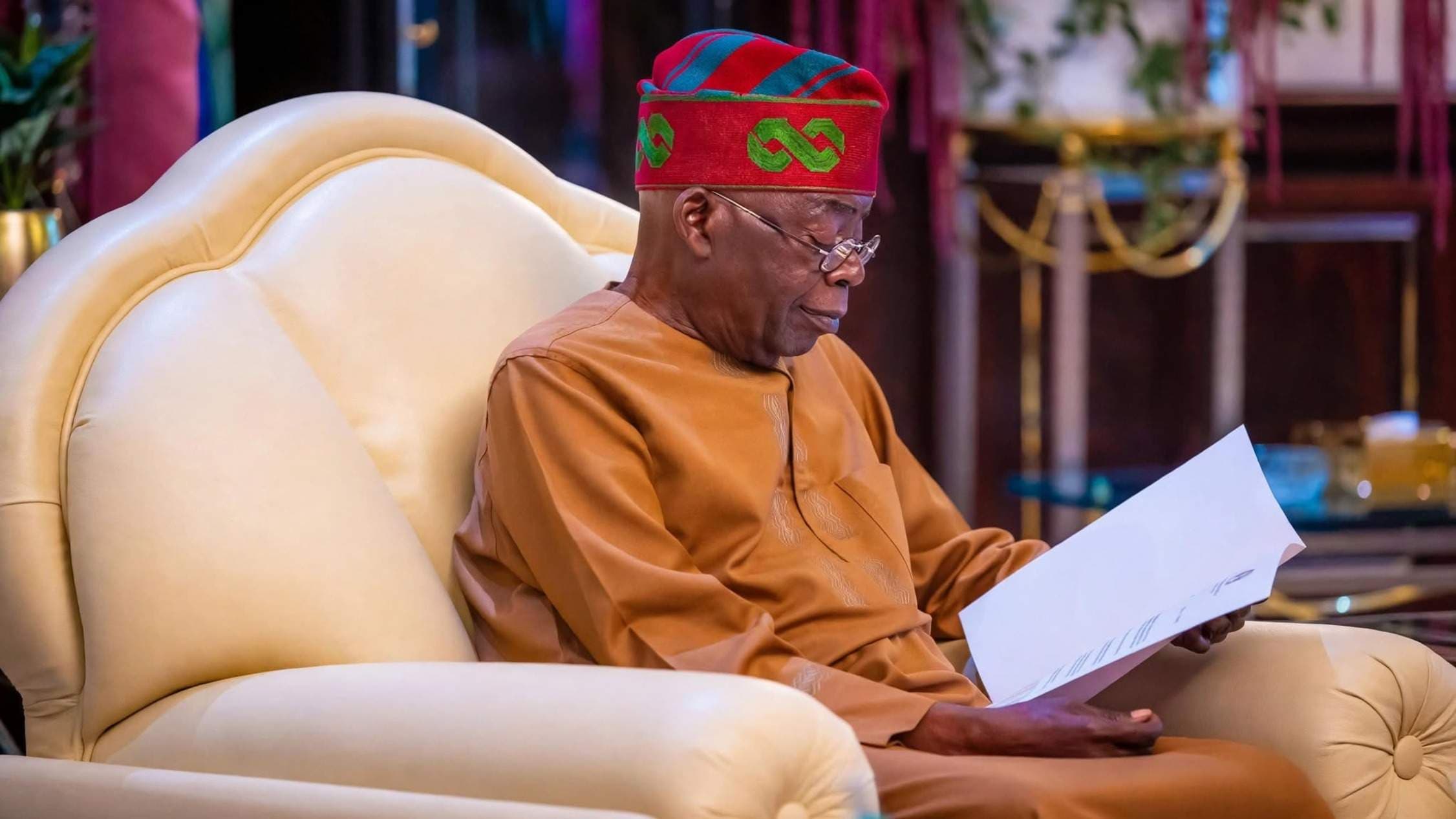
In a double confirmation on Wednesday, 28th October 2026, the Senate in Abuja gave President Bola Tinubu the green light to fully constitute the boards of the National Human Rights Commission (NHRC) and the Fiscal Responsibility Commission (FRC).
The Senate confirmed 23 nominees across two commissions.
Who are they?
For the National Human Rights Commission (NHRC) - 16 members in total:
* Chairman: Dr Salamatu Hussaini Suleiman - a former Minister of Women Affairs and ex-ECOWAS Commissioner. Her appointment is historic, marking one of the few times a woman with deep diplomatic experience leads the rights body.
* Executive Secretary: Dr Anthony Ojukwu (SAN) - retained to provide continuity. He has been the face of the Commission's investigations into police brutality and detention abuses.
* Notable Member: Eze Anaba, President of the Nigerian Guild of Editors (NGE) and Editor of Vanguard Newspapers. His inclusion is seen as a nod to press freedom and media rights.
* Other members: Mrs Roseline Tasha, Ambassador Adam Yubak Baku, ACG Felix Lawrence, Edmund Chinonye, Chinonye Obiaku (SAN), Oluwakemi Asiwaju Okere-Odo, Professor Adedeji Ogunji, Kingsley Chidozie, Mohammed Adelodu, Maupe Ogun Yusuf, Otunba Francis Meshioye, Patience Patrick Udoh and Hawwa Ibrahim.
For the Fiscal Responsibility Commission (FRC) - 7 members:
* Executive Chairman: Dr Abdullahi Maikano Saidu
* Members representing the geo-political zones: Mohammed Asmau, Mohammed Makama, Suleiman Gidado, Louis Ndukwe, Amaechi Ugwele and Olaniyi Onikola.
Recall President Tinubu had written to the Senate in April 2026 for the NHRC and last month for the FRC, invoking Section 2(3) of the NHRC Establishment Act, 2010, and the Fiscal Responsibility Act, 2007. Senate President Godswill Akpabio referred the nominations to the respective committees, who screened the candidates and recommended confirmation.
This isn't just routine paperwork.
The NHRC was established in 1995 by General Sani Abacha's military regime, ironically, but was fundamentally reformed in 2010 by the National Assembly to give it real independence and powers to investigate and award compensation. Since 2023, the Commission has been inundated. According to its own reports, it received over 2 million complaints of rights violations in 2024 alone, ranging from unlawful detention to gender-based violence and forced evictions. Without a governing board since the last one dissolved in 2023, decision-making was stalled.
The FRC is even more crucial in today's economy. Created by the Fiscal Responsibility Act of 2007 under President Olusegun Obasanjo to stop reckless borrowing and unbudgeted spending, it has the mandate to enforce transparency. Nigeria's public debt stock has crossed N121 trillion as of early 2025, according to the Debt Management Office. The FRC's job is to make sure MDAs don't spend beyond their means and that government actually saves for the rainy day. Its board has also been largely inactive since 2022.
Why Should You Care?
Think of it like this.
If you are that young Nigerian who was harassed at a checkpoint, or that market woman whose shop was demolished without notice, the NHRC is supposed to be your last hope when the courts feel too far and too expensive. Dr Salamatu Suleiman and Anaba's team are now the people who will decide whether your petition is heard.
And if you have ever wondered why prices keep rising while government keeps borrowing, the FRC under Dr Saidu is the body legally empowered to call out ministries that break spending rules. It's your money they are meant to protect.
Why It Matters?
Why two commissions at once? President Tinubu's administration is under pressure to show both fiscal discipline to foreign investors and human rights credibility to international partners. You cannot attract investment while your fiscal watchdog is asleep, and you cannot improve Nigeria's global image while your rights commission lacks a board.
What is the difference?
* NHRC = Protects People: Investigates rights abuses, visits detention centres, promotes education on rights, and advises government.
* FRC = Protects the Purse: Ensures government budgets are prudent, debt is sustainable, and revenue is transparently managed.
One guards your liberty, the other guards your prosperity.
What Next?
Confirmation is just the start.
1. Swearing-in: The appointees will be inaugurated by the President and the Secretary to the Government of the Federation in the coming days.
2. Work begins immediately: For the NHRC, that means clearing a backlog of over 10,000 pending complaints and preparing its annual State of Human Rights Report. For the FRC, it means auditing the 2026 budgets of federal agencies and publishing its fiscal compliance index.
3. The test: Nigerians will be watching. Will the NHRC stand up to powerful security agencies? Will the FRC have the guts to name and shame big-spending ministries?
As cbinewstv.com will continue to monitor, the real confirmation will not come from the Senate chamber, but from the streets.
Source: cbinewstv.com
#CBINewsTV #NigeriaNews #Senate #BolaTinubu #NHRC #FRC #NationalHumanRightsCommission #FiscalResponsibilityCommission #GodswillAkpabio #HumanRights #NigerianPolitics #BreakingNews