


Second Ebola Death in Nairobi as Kenya Battles new Outbreak
Last update: October 25, 2026
Disclaimer: This website may contain affiliate links, which means we may earn a commission if you click on the link and make a purchase. We only recommend products or services that we personally use and believe will add value to our readers. Your support is appreciated!
It’s the moment no one wants to hear during an outbreak - not just that someone has died, but that the body itself is still a danger. That’s the reality Kenya is facing right now.
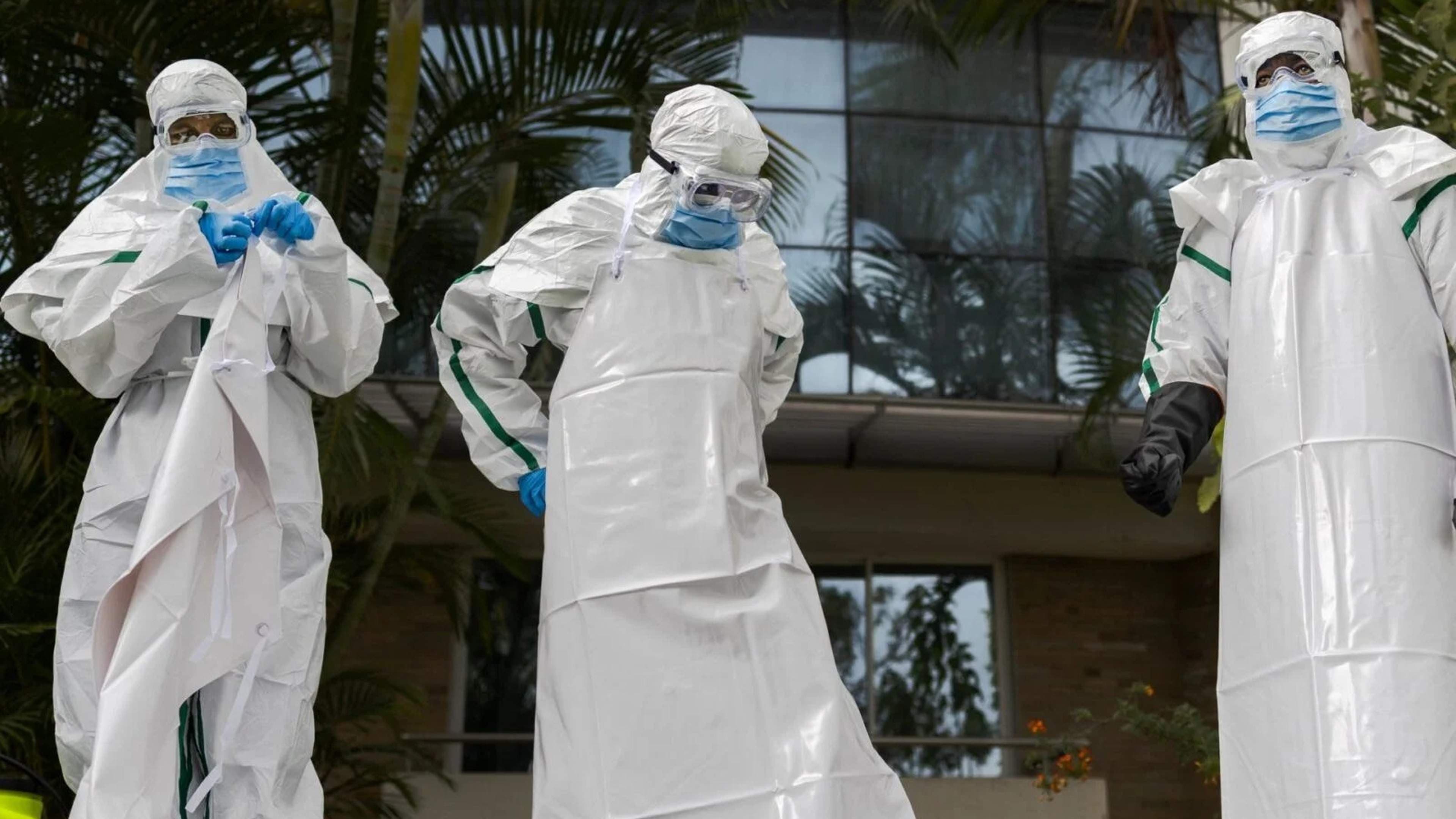
Kenya has just recorded its second Ebola death, with nine confirmed cases now linked to a single chain. In response, the Kenya Red Cross has been running urgent simulations in Nairobi on how to handle victims safely.
It’s grim, essential work. And it could be the thing that stops this outbreak from spiralling.
This isn’t just a numbers story. It’s a family tragedy.
The man who brought the virus in from DRC died alone in a city far from home. The second victim was his close relative - a 65-year-old woman who had likely been caring for him or mourning him. That’s how Ebola often moves: through love, through duty, through the very human instinct to hold a loved one’s hand, wash their body, and lay them to rest properly.
That’s why the Red Cross training is so emotionally charged. As the WHO notes, safe and dignified burials are critical because the virus can spread through direct contact with the body fluids of an infected person, including after death. A body can remain highly contagious for up to seven days.
For families, being told you can’t wash or touch your dead goes against every cultural and religious instinct. The Red Cross teams are trained to bridge that gap - full personal protective equipment, impermeable body bags, chlorine spray, but also respect and dignity.
Why it Matters?
This Kenyan cluster might sound small, but history tells us how quickly Ebola can explode if burial practices aren’t controlled. During the 2014-2016 West Africa outbreak, a single funeral in Moyamba District, Sierra Leone, sparked a whole cluster of cases.
And the regional picture is worrying.
Ebola was first identified in 1976 in Yambuku, near the Ebola River in what is now DRC - the very country this Kenyan index case travelled from. The DRC has seen more than a dozen outbreaks since.
The current continental situation is severe. The Africa Centres for Disease Control has reported outbreaks in at least four countries. In the DRC alone, recent outbreaks have been devastating - the latest figures from Congolese authorities put one epidemic at over 8,300 cases, including 4,018 deaths, with a case fatality rate of 48.4%. In another DRC outbreak, as of 4 September 2025, 28 suspected cases included 15 deaths, a case fatality ratio of 54%.
Put simply: more than 4,000 people have died in Africa since Ebola was confirmed in Congo in May, with that DRC outbreak now recorded as the largest and deadliest in the DRC’s history, second only to the West Africa outbreak that killed over 11,000 people.
Kenya has never had to manage a sustained Ebola outbreak before. Containing it at nine cases would be a huge achievement.
What is Safe and Dignified Burial?
Think of it as infection control meets compassion.
1. No family touching: Families are asked to notify health authorities and not wash or dress the body themselves.
2. Specialist team: Only a trained team in full PPE handles the deceased.
3. Sealed and sterilised: The body is placed in a heavy-duty, impermeable body bag. Everything it touches is sterilised with chlorine spray.
4. Dignity intact: The team ensures religious and cultural rites are respected where possible, without direct contact.
It’s uncomfortable, but it works. The WHO says it helps prevent transmission when traditional burial rituals would otherwise expose family members.
What’s Next?
The immediate next steps are clear:
1. Quarantine watch: The 135 contacts are still being monitored. The end of their 21-day incubation period will be crucial.
2. Isolation care: Seven patients remain in isolation. Their recovery is key to breaking the chain.
3. Stay Nairobi-focused: Authorities stress there have been no cases outside Nairobi - keeping it that way is the priority.
4. Burial readiness: The Red Cross says it will keep its teams on standby nationwide. If a new death occurs, a safe burial must happen within hours, not days.
For the public, the Ministry of Health message is unchanged: report any fever, bleeding or family link to the index case immediately, avoid contact with bodily fluids, and let the professionals handle burials.
Kenya has acted fast this time. The next week will tell us if it was fast enough.
Follow for updates via cbinewstv.com
#Kenya #EbolaOutbreak #Nairobi #KenyaRedCross #PublicHealth #DRC #EbolaVirus #SafeBurial #HealthEmergency #cbinewstv