


Sanctioned Ex-President Martelly Enters Haiti Presidential Race
Last update: October 24, 2026
Disclaimer: This website may contain affiliate links, which means we may earn a commission if you click on the link and make a purchase. We only recommend products or services that we personally use and believe will add value to our readers. Your support is appreciated!
Can you hold an election when gangs control 70% of your capital? Haiti is about to try — and its most controversial showman is back on the ballot.
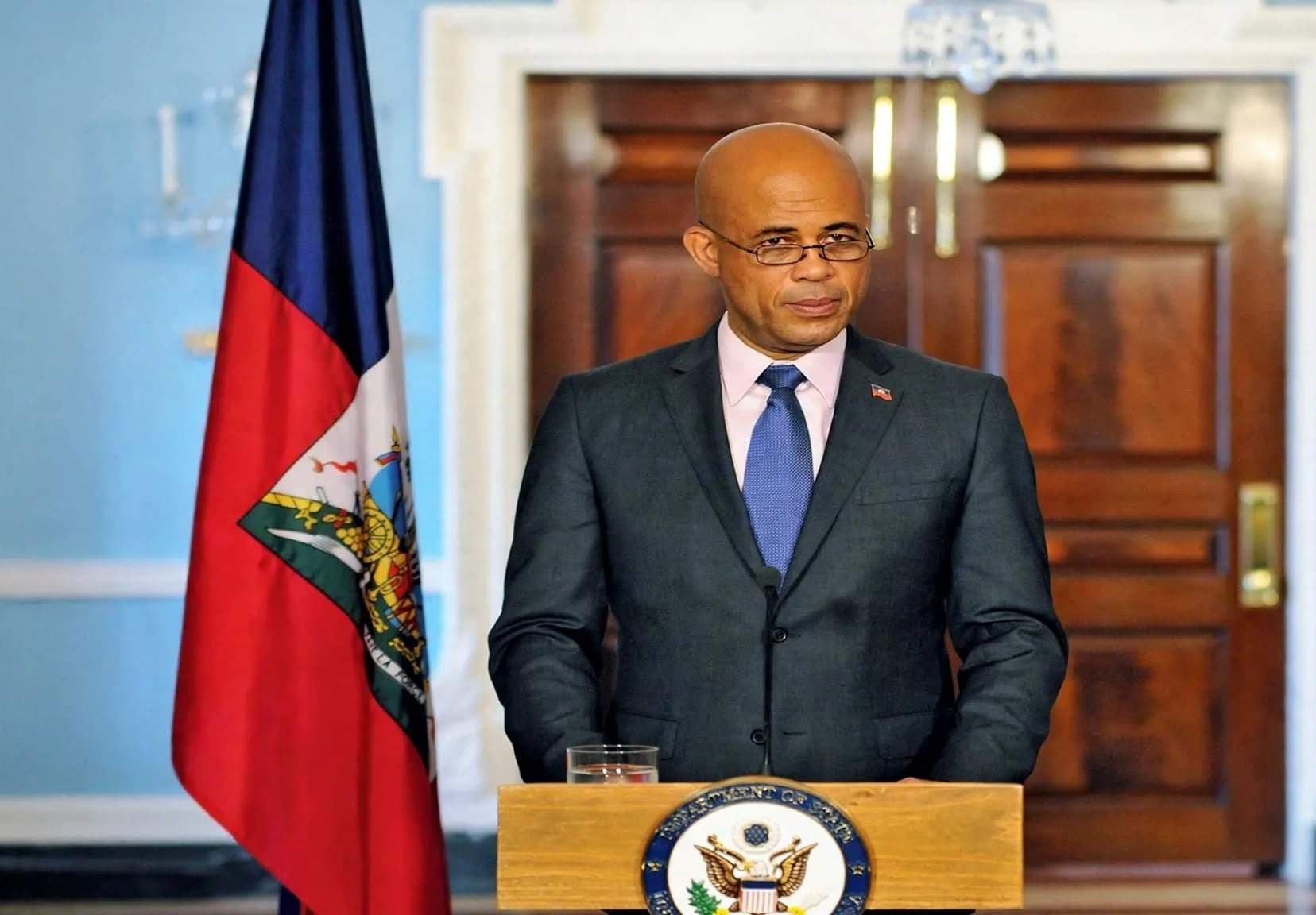
In a scene that could only happen in Haiti, hundreds of singing supporters followed a former pop star turned president into the electoral offices in Port-au-Prince on Friday. Michel Martelly is officially running again.
The 64-year-old, who was already registered online, turned up in person at the Provisional Electoral Council (CEP) with three lawyers to file his papers for the presidential election scheduled for 13 December — Haiti’s first general election in more than a decade.
To understand why this matters, you have to rewind.
Haiti hasn’t held a general election since 2016. President Jovenel Moïse was assassinated in 2021, leaving a power vacuum that has since been filled by escalating gang warfare, a collapsed parliament, and a transitional council struggling to keep the lights on.
Martelly’s own presidency was colourful and chaotic. Elected in 2011 after the devastating earthquake, the political novice brought star power but also constant protests over corruption and electoral delays. He left office in 2016 without a successor being directly elected, contributing to the long cycle of interim governments.
His old party, the PHTK (Parti Haïtien Tèt Kale — literally the Bald Haitians Party), has dominated Haitian politics for the last decade and is deeply unpopular with many.
And then there’s the security reality. According to UN data, gang violence has now displaced more than 1.4 million people. Armed groups control an estimated 70% of Port-au-Prince and the main arteries to the Central and Artibonite provinces — Haiti’s breadbasket. More than 50% of the electorate lives in those three regions.
Just last Sunday, in a sign of how volatile it is, four Salvadoran officers serving with the multinational Gang Suppression Force were abducted, prompting El Salvador’s President Nayib Bukele to dispatch special forces to rescue them.
A fresh report submitted to the UN Security Council earlier this month warned explicitly of deep ties between gangs and Haiti’s political and economic elite, and of a surge in violence in the run-up to the polls.
For Marie, a 32-year-old mother of two living in a makeshift camp in Delmas after her neighbourhood was taken over by the Viv Ansanm gang alliance, the news feels distant.
“Election? Which election? We cannot even go home to get our birth certificates to register,” she told local radio this week. Her story is the story of over a million Haitians.
The question observers are asking isn’t just who will win, but how anyone will vote at all. Will a woman in Cité Soleil brave a gang checkpoint to queue at a polling station? Will election workers even show up?
Yet for Martelly’s supporters — many of them young, poor, and nostalgic for the days when “Sweet Micky” gave free concerts — his return is hope. “He understands the street,” one supporter in a Debloke t-shirt told cbinewstv.com outside the CEP. “He is the only one who can unblock the country.”
Why it Matters?
This candidacy is a litmus test for three huge issues:
1. Can sanctions be ignored? If a figure sanctioned by Washington and Ottawa for alleged narco-trafficking and gang links can become president again, what message does that send about accountability? The US Treasury’s sanctions are still in place, even if Haiti’s electoral council is not enforcing them.
2. Is an election even feasible? International partners, including the UN and CARICOM, have pushed hard for a vote as the only path to legitimacy. But without security, the election risks being seen as exclusionary, with huge parts of the country unable to participate. That could trigger even more unrest.
3. Is this continuity or change? Debloke may have a new name, but critics say it’s old wine in new bottles — the same network that many Haitians blame for the current collapse. For others, it’s the only organised political machine left capable of actually campaigning.
What Happens Next?
It’s going to be a frantic few weeks.
By 31 October: The CEP will finalise the list of approved presidential candidates. Expect legal challenges to Martelly’s candidacy both inside Haiti and from international observers.
November: Voter registration cards must be distributed and polling centres secured. The Multinational Security Support Mission, led by Kenya with support from countries like El Salvador, will have to prove it can secure at least the main cities.
13 December: Election Day, if it holds. If no candidate gets more than 50%, a second round would follow in early 2026.
The big question remains: will Haitians get to choose their future, or will the gangs decide for them? For now, Sweet Micky is back on stage — and the whole world is watching.
This report is based on original reporting by cbinewstv.com.
#Haiti #HaitiElections #MichelMartelly #SweetMicky #PortAuPrince #HaitiNews #CaribbeanPolitics #Debloke #PHTK #HaitiCrisis #CBINewsTv