



Ruto Presses Putin Over 841 Kenyans Recruited by Russia
Last update: October 31, 2026
Disclaimer: This website may contain affiliate links, which means we may earn a commission if you click on the link and make a purchase. We only recommend products or services that we personally use and believe will add value to our readers. Your support is appreciated!
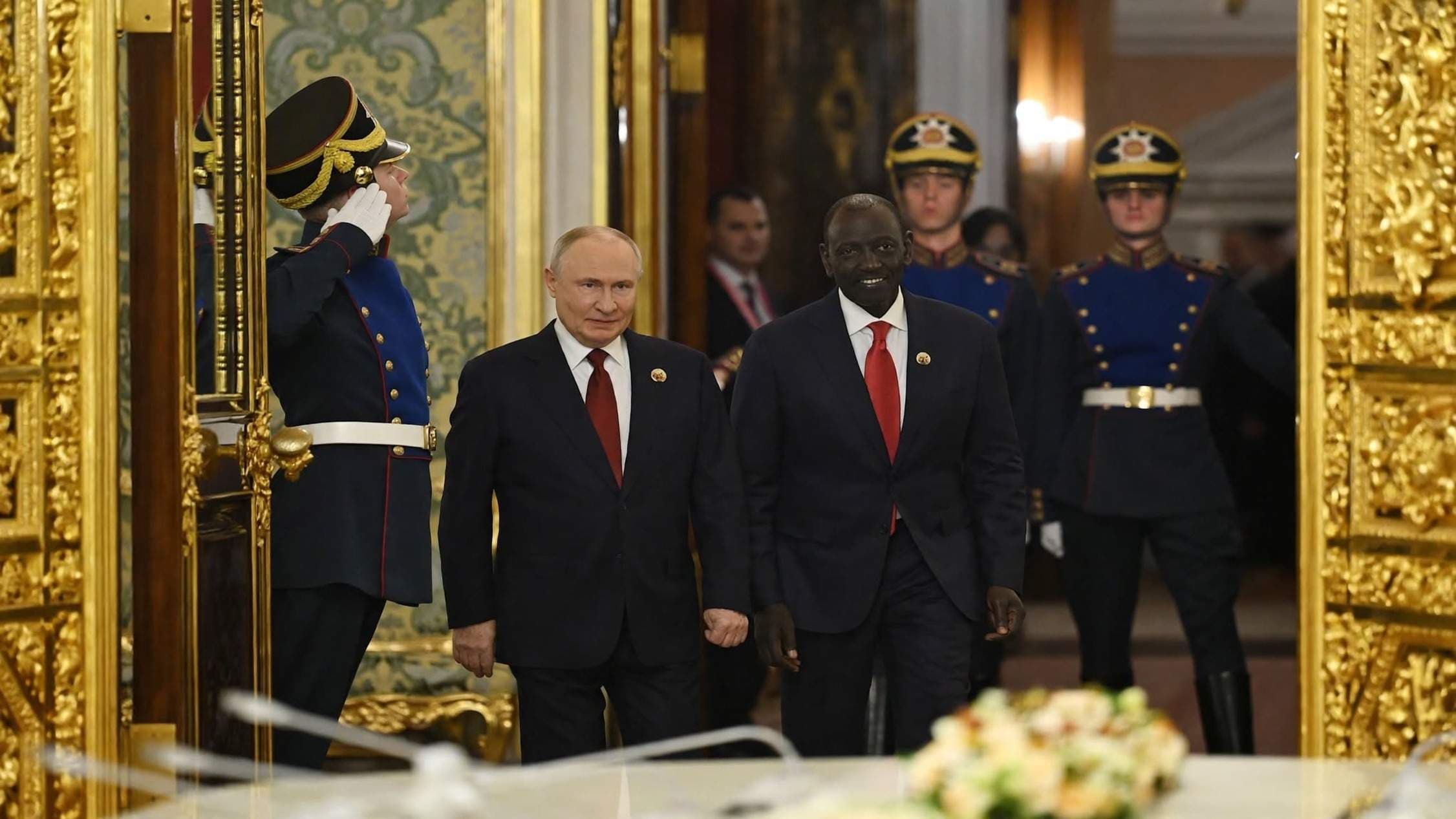
Imagine leaving Nairobi for what you think is a security guard job in Moscow, only to find yourself on a frontline in Donetsk. That’s the nightmare dozens of Kenyan families are living — and now President William Ruto is telling Vladimir Putin directly: bring our people home and pay up.
What Just Happened in Moscow?
In a rare face-to-face at the Kremlin, President Ruto secured two big commitments from President Putin.
First, Russia has agreed to stop recruiting Kenyans into its armed forces and has reclassified Kenya as a “non-source country” — diplomatic speak for “we won’t take your people anymore.”
Second, and more urgently, Kenya will be posting a Defence Attaché to Moscow full-time. His job? Sit inside Russia’s Ministry of Defence and fight for two things: compensation for affected Kenyans and the safe return of those still stuck in the system.
We don’t yet know how much will be paid, who qualifies, or when the money will come. State House says those details are being hammered out now.
This isn’t just geopolitics. It’s about young men from Kiambu, Eldoret and Mombasa who answered adverts on Telegram and TikTok.
The pitch, according to families who spoke to investigators, was familiar: Sh150,000-a-month jobs in Russia as warehouse staff, security guards, logistics drivers. Visa sorted. Flight paid.
On arrival, the civilian contract vanished. Many were told to sign a Russian military contract instead, with the threat of deportation or debt if they refused.
It’s heartbreaking stuff. Mothers who thought their sons were guarding a mall in Moscow got a call that they died near Bakhmut.
The Scale — And It’s Bigger Than Kenya
A deep-dive investigation by Journalists for Justice puts some sobering figures on this:
* At least 76 Kenyans confirmed killed fighting for Russia.
* 841 Kenyans recruited between October 2022 and June 2026.
* More than 3,000 Africans from 40 countries recruited in the same period, with 502 confirmed deaths by June this year.
Kenya’s own National Intelligence Service told Parliament the real number could be even higher — over 1,000 Kenyans.
This fits a pattern we’ve seen since late 2022. After heavy losses and sanctions, Russia’s military and affiliated groups like Wagner turned to the Global South for manpower, targeting countries battling youth unemployment. Kenya, with over 60% of its population under 35 and a tough jobs market, became vulnerable.
Little History: Nairobi and Moscow
Kenya and Russia go way back, but it’s been a complicated friendship. The Soviet Union backed Jomo Kenyatta’s independence push in the 60s, then relations cooled during the Cold War as Kenya leaned West.
In recent years, Moscow has been on a charm offensive in Africa — grain deals, arms deals, scholarships, and yes, security partnerships. Ruto’s Moscow trip is only the second time a Kenyan president has met Putin on Russian soil.
That history matters, because it explains the other half of the Kremlin talks — the softer stuff.
So Why Does This Compensation Deal Matter?
1. For families: It’s recognition. For months, families have been in limbo — no body, no death certificate, no pay-out, no answers. A formal compensation process gives them legal standing.
2. For national security: If NIS is right and 1,000+ citizens were pulled into a foreign war, that’s a major intelligence and human trafficking failure. Labelling Kenya a non-source country is a line in the sand.
3. For every Kenyan jobseeker: It’s a warning. The Foreign Affairs Ministry has been shouting about fake overseas jobs, but this is the first time we have a state-to-state agreement to stop it at the source.
How Will Compensation Even Work?
Think of it like this:
Normally, if a Kenyan dies working abroad, their family claims under that country’s labour laws or through a bilateral labour agreement. Kenya and Russia have never had one for military service — because you’re not supposed to be recruited in the first place.
That’s why the Defence Attaché role is crucial. He will be Kenya’s case officer inside the Russian MoD, verifying who was recruited, whether they are alive, injured, missing, or deceased, and filing claims under Russian military compensation law, which does provide payments for injury and death in service, even for foreign contract soldiers.
The challenge? Russia’s system is opaque, many recruits used false identities, and some contracts were signed under duress. Proving coercion will be key.
What’s Next?
Here’s what cbinewstv.com is watching for:
In the next 30 days: The Defence Attaché to be named and deployed, plus a public hotline and registry for families to report missing relatives. If you are affected, contact the State Department for Diaspora Affairs.
In the next 90 days: Publication of the compensation framework — eligibility, amounts (Russian law typically pays between $30,000 and $60,000 for combat deaths, but it varies), and timelines. Also, the promised safe repatriation flights.
Longer term: Two other deals from the same meeting — Russian scholarships for Kenyans to jump from 70 to 300 a year, and negotiations on a proper bilateral labour agreement to protect Kenyans taking legitimate jobs in Russia. Plus, cooperation on transport, jobs and diplomatic training.
And the big diplomatic question: Will Putin actually come to Nairobi? Ruto invited him. If he accepts, it would be his first official visit to Kenya and his first to Africa since 2018. No confirmation yet from the Kremlin.
For now, the message from Nairobi is clear: our youth are not mercenaries for hire.
Got a relative caught up in this? Share your story securely with us via editor@cbinewstv.com
#Kenya #Ruto #Putin #RussiaUkraineWar #KenyaInRussia #Diaspora #Compensation #MoscowTalks #cbinewstv #HumanTrafficking #Africa