


Pezeshkian Tells US: Iran Ready for Talks, but Will not Surrender
Last update: October 16, 2026
Disclaimer: This website may contain affiliate links, which means we may earn a commission if you click on the link and make a purchase. We only recommend products or services that we personally use and believe will add value to our readers. Your support is appreciated!
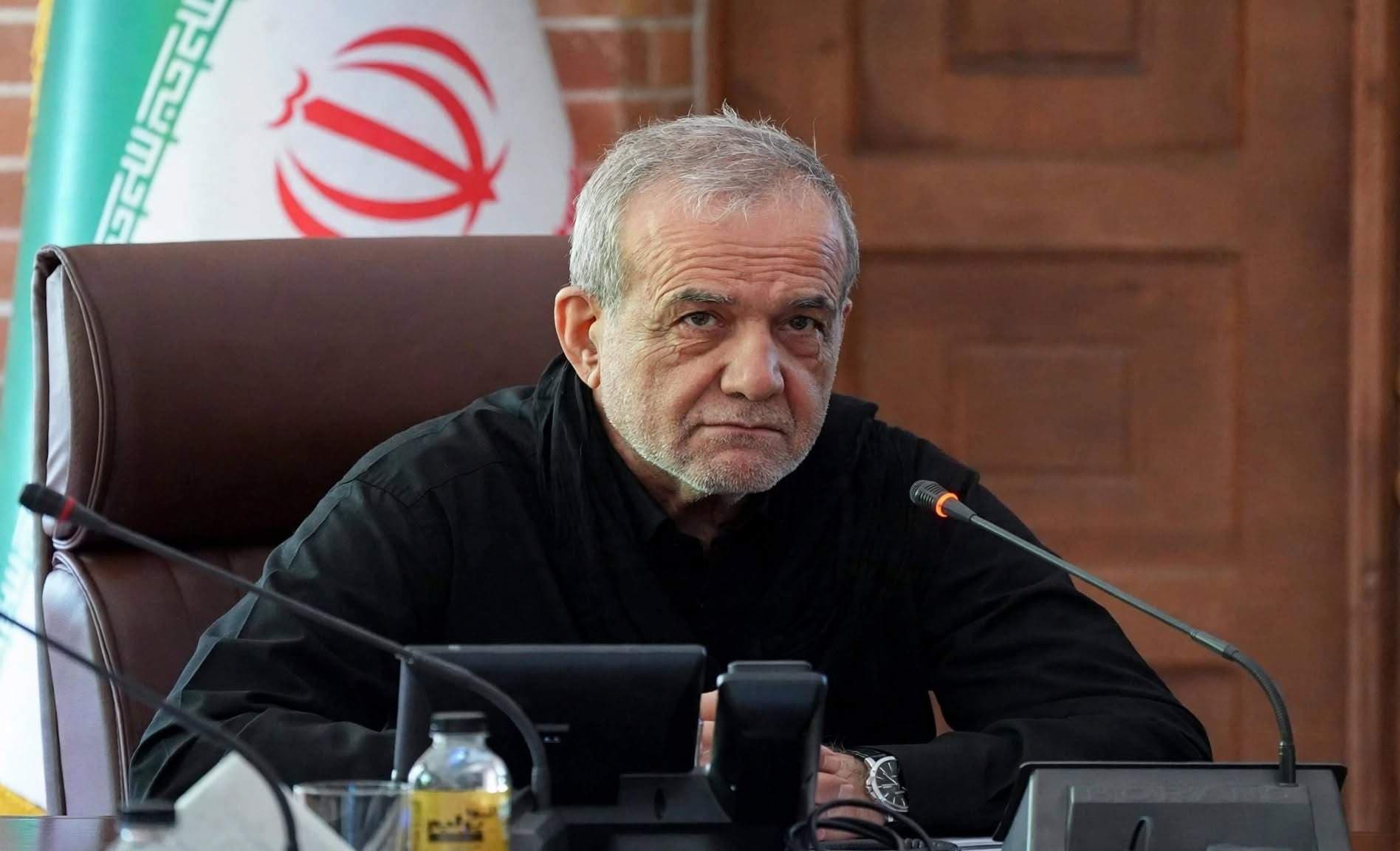
Think biodiversity summit, think trees and turtles — not geopolitics. But in Yerevan this week, Iran’s president turned a green agenda into a defiant message for Washington: “We will not give in to force.”
Here’s the full story, unpacked for you.
Addressing US sanctions, Pezeshkian told the Georgian premier that the measures “are beyond humanitarian frameworks and [US] attacks in recent months are unjustifiable and inhumane.”
He was even blunter on the nuclear file:
“Iran is not seeking nuclear weapons, and we consider the destructive propaganda against our country to be lies,” he said, as quoted by Iran’s semiofficial Tasnim News Agency.
“We have always been ready to talk. They think they can make us surrender, but we will not give in to force.”
It’s language we’ve heard before from Tehran — but the timing matters hugely.
Why now?
This isn’t just rhetoric in a vacuum.
1. The sanctions stranglehold: Iran has lived under US sanctions since the 1979 revolution, but they were massively tightened after President Trump withdrew from the 2015 nuclear deal (JCPOA) in 2018. The US has just imposed fresh rounds targeting 16 individuals and 10 entities this month alone. For ordinary Iranians, that means soaring medicine prices, grounded aircraft, and inflation that has wiped out savings.
2. A year of open conflict: 2025 has been the most dangerous year for Iran-US relations in decades. In June 2025 and again in February, the US and Israel carried out strikes on Iranian scientific and university centres while indirect nuclear talks were still ongoing. Pezeshkian himself recently complained: “So far, they have attacked us three times after talks, and this shows that they are not seeking dialogue”. Washington has reportedly dialled back direct strikes since 1 September in favour of economic pressure, but the damage — and the distrust — remains.
3. The ecocide angle: At the COP17 podium, Pezeshkian went further, calling the conflicts in the Middle East “ecocide, or environmental genocide” that must be condemned. His government says it wants to formally document environmental damage caused by what it calls US-Israeli military aggression.
It’s easy to talk about centrifuges and communiqués. Harder to see the 86 million people underneath.
When Pezeshkian says sanctions are “beyond humanitarian frameworks”, he’s tapping into what aid agencies have long warned about — sanctions on banks and shipping inevitably choke the supply of cancer drugs, spare parts for ageing passenger planes, and clean water technology, even when they’re technically exempt.
That’s why his line about not seeking nuclear weapons matters to his domestic audience too. Pezeshkian, a reformist heart surgeon who won the presidency in July 2024 after his predecessor died in a helicopter crash, was elected on a promise of easing Iran’s isolation and reviving the economy. For many Iranians, “we will not give in to force” is not about bravado — it’s about survival without surrender.
Why does this meeting in Yerevan matter?
Why is Iran chatting to Georgia in Armenia? Because the South Caucasus is now a diplomatic tightrope.
Georgia’s PM Kobakhidze was personally invited by Armenian PM Nikol Pashinyan to the summit and has stressed that translating biodiversity pledges into real action by 2030 is a regional priority.
For Iran, landlocked and sanctioned, good ties with both Yerevan and Tbilisi are a lifeline — trade routes, energy transit, and a buffer against Turkey and Azerbaijan’s growing alignment with Israel. For Georgia, which balances EU ambitions with its own wary relationship with Moscow, Tehran is a tricky but necessary neighbour.
What is Pezeshkian actually asking for?
Strip away the diplomacy and it’s three points:
What Iran wants: Lifting of “unjust” sanctions and respect for its right to civilian nuclear energy.
What the US wants: Guarantees Iran will never build a bomb, plus curbs on its missile programme and regional proxies.
Where talks stand: Effectively frozen. Pezeshkian says “We have always been ready to talk,” but also that “Negotiation conducted in the shadow of force is not negotiation, it is imposition”. Qatar and Pakistan are reportedly shuttling messages, but Tehran says it no longer trusts Washington.
What next?
1. Watch Geneva and New York, not just Yerevan. If Qatar or Oman manages to get both sides back to indirect talks, any deal will hinge on whether Washington offers real sanctions relief without preconditions.
2. The COP17 legacy. Pezeshkian wants the UN to recognise war’s environmental cost as a crime. Don’t expect a resolution this week, but it sets up Iran to file formal claims for ecological damage.
3. Pressure at home. Pezeshkian faces hardliners who say his outreach has been met only with bombs. Another failed negotiation could strengthen their hand.
As Pezeshkian left Yerevan, his message was clear: Tehran will talk, but it won’t kneel. And in a region where biodiversity is literally being bombed, that message landed far beyond the conference hall.
This report first appeared on cbinewstv.com — your trusted source for global affairs with a human lens.
Source: cbinewstv.com
#Iran #Pezeshkian #USSanctions #COP17 #Yerevan #Armenia #Georgia #Kobakhidze #NuclearDeal #MiddleEast #Ecocide #cbinewstv