


Pezeshkian Says US Wrecked Interim Peace Deal
Last update: October 25, 2026
Disclaimer: This website may contain affiliate links, which means we may earn a commission if you click on the link and make a purchase. We only recommend products or services that we personally use and believe will add value to our readers. Your support is appreciated!
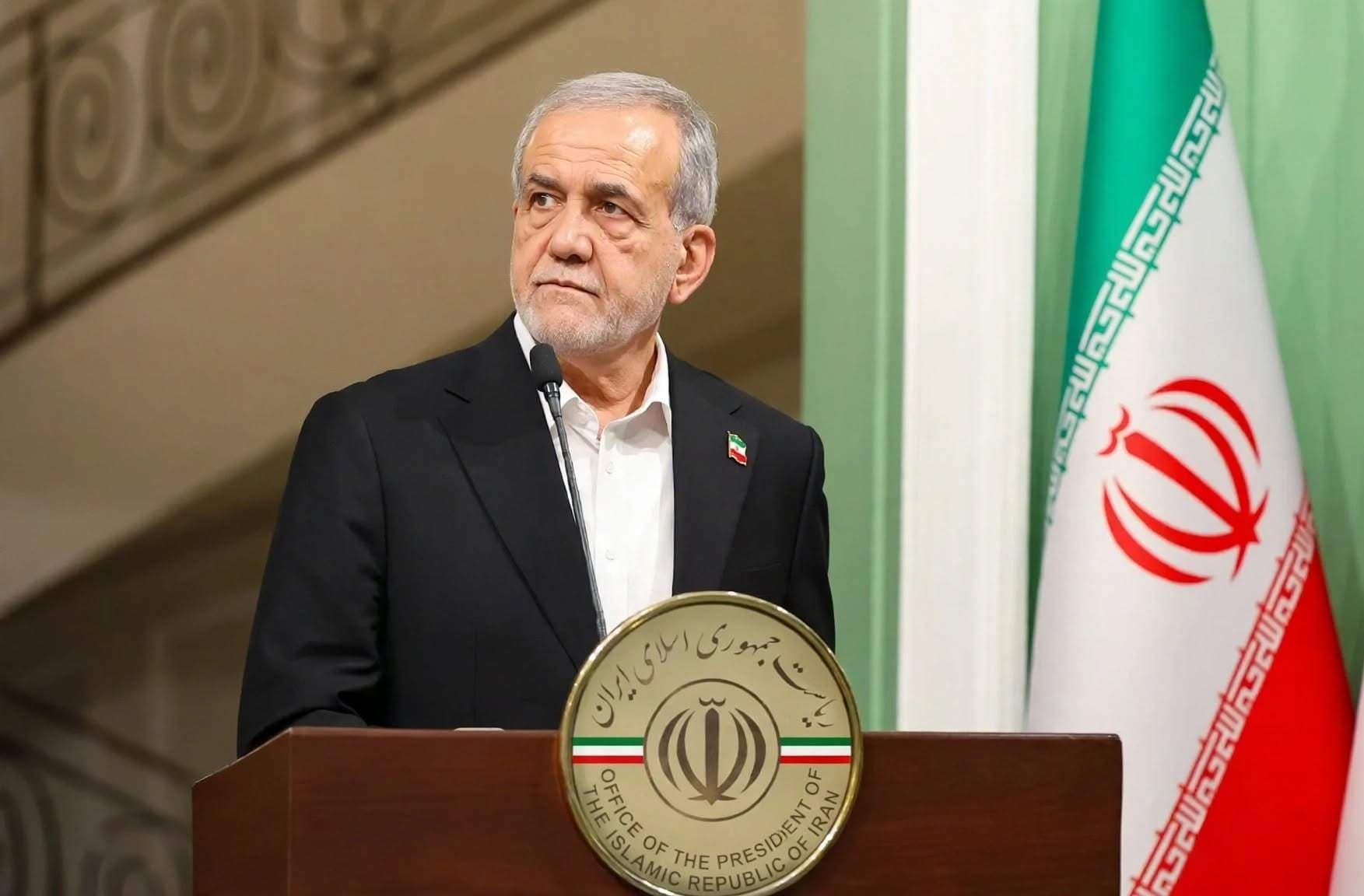
So much for peace breaking out. Just when you thought the guns had finally fallen silent, Iran's president has come out swinging – with words this time – blaming Washington for blowing up an interim deal that could have ended its war with the US and Israel.
How did we get here?
To understand this, you have to zoom out. This feud is almost 50 years old, going back to the 1979 Islamic Revolution.
More recently:
* 2015: The big nuclear deal, the JCPOA, was signed. Iran curbed its nuclear programme in exchange for sanctions relief.
* 2018: President Trump, in his first term, pulled the US out of it, calling it the worst deal ever. Sanctions snapped back, crippling Iran's economy.
* June 2025: Things exploded – literally. Israel launched Operation Rising Lion on 13 June against Iranian nuclear and military sites. Iran fired back waves of ballistic missiles at Israeli cities. On 21-22 June, the US joined in, with B-2 bombers striking three key nuclear facilities at Fordow, Natanz and Isfahan in what the Pentagon called Operation Epic Fury. That 12-day war only ended with a fragile ceasefire on 24 June.
Since then, talks for an interim deal – something less than a full treaty but enough to stop another war – have stuttered. Pezeshkian, a relative moderate who won office in 2024, has repeatedly said the US must stop threatening Iran and lift sanctions before real talks can happen.
Forget the generals and presidents for a second. Think about the people.
In Tehran, ordinary families are still queuing for subsidised fuel, watching the rial collapse under sanctions that have wiped out 60% of its value since 2018. In Tel Aviv and Haifa, families spent weeks in bomb shelters in June, and siren trauma is still raw. And in the US, military families at Al Udeid Air Base in Qatar – which Iran hit with missiles on 23 June – are being told they might be in the firing line again.
An interim deal isn't just diplomatic jargon. For millions, it is the difference between another night in a shelter and getting on with life.
Why it matters?
Three reasons this really, really matters right now:
1. Politics at home: Both Trump and Netanyahu are facing voters imminently. Israelis go to the polls to choose their next government on Tuesday, while Trump’s Republicans face crucial midterm elections on **3 November**. History tells us leaders under electoral pressure often talk tougher abroad.
2. The nuclear clock: The International Atomic Energy Agency still says Iran is enriching uranium to 60% purity – just a short technical step from weapons-grade. Without a deal, that clock keeps ticking.
3. Oil and your wallet: Any new strikes in the Strait of Hormuz, where 20% of the world’s oil passes, would send energy prices soaring. We all felt it last June.
What would an interim deal even do?
Think of it as a stop-gap, not a grand peace treaty. It would likely involve Iran freezing or rolling back enrichment and allowing more inspections, in return for limited sanctions relief and a US-Israeli pledge not to strike. It doesn't solve everything, but it buys time and lowers the temperature.
Pezeshkian blaming Washington suggests the sticking point remains trust – who moves first on sanctions vs enrichment.
What happens next?
Watch these next steps closely:
1. The mediation track: Pezeshkian's openness to trying again keeps the door ajar. Expect quiet talks via Oman, Qatar and even Pakistan, who have mediated before.
2. Tuesday in Israel: If Netanyahu wins big, his hawkish stance could harden. A more centrist coalition might favour diplomacy.
3. The US signal: Does the White House follow Trump's Friday threat with more bombers to Diego Garcia, or with a new envoy to Muscat?
4. The IRGC red line: Any limited strike that Iran promised to answer “several times greater” could spiral fast. The ceasefire from June is incredibly fragile.
For now, as cbinewstv.com has been tracking, we are back in that dangerous limbo – too much talk of war, not quite enough talk of peace.
What do you think – is Pezeshkian right to blame Washington, or is this just Tehran deflecting? Let us know.
#Iran #US #Israel #MasoudPezeshkian #DonaldTrump #BenjaminNetanyahu #MiddleEastCrisis #NuclearDeal #WorldNews #cbinewstv #Geopolitics #BreakingNews