



Over 1,300 Arrested in France Cost-of-Living Protests
Last update: October 25, 2026
Disclaimer: This website may contain affiliate links, which means we may earn a commission if you click on the link and make a purchase. We only recommend products or services that we personally use and believe will add value to our readers. Your support is appreciated!
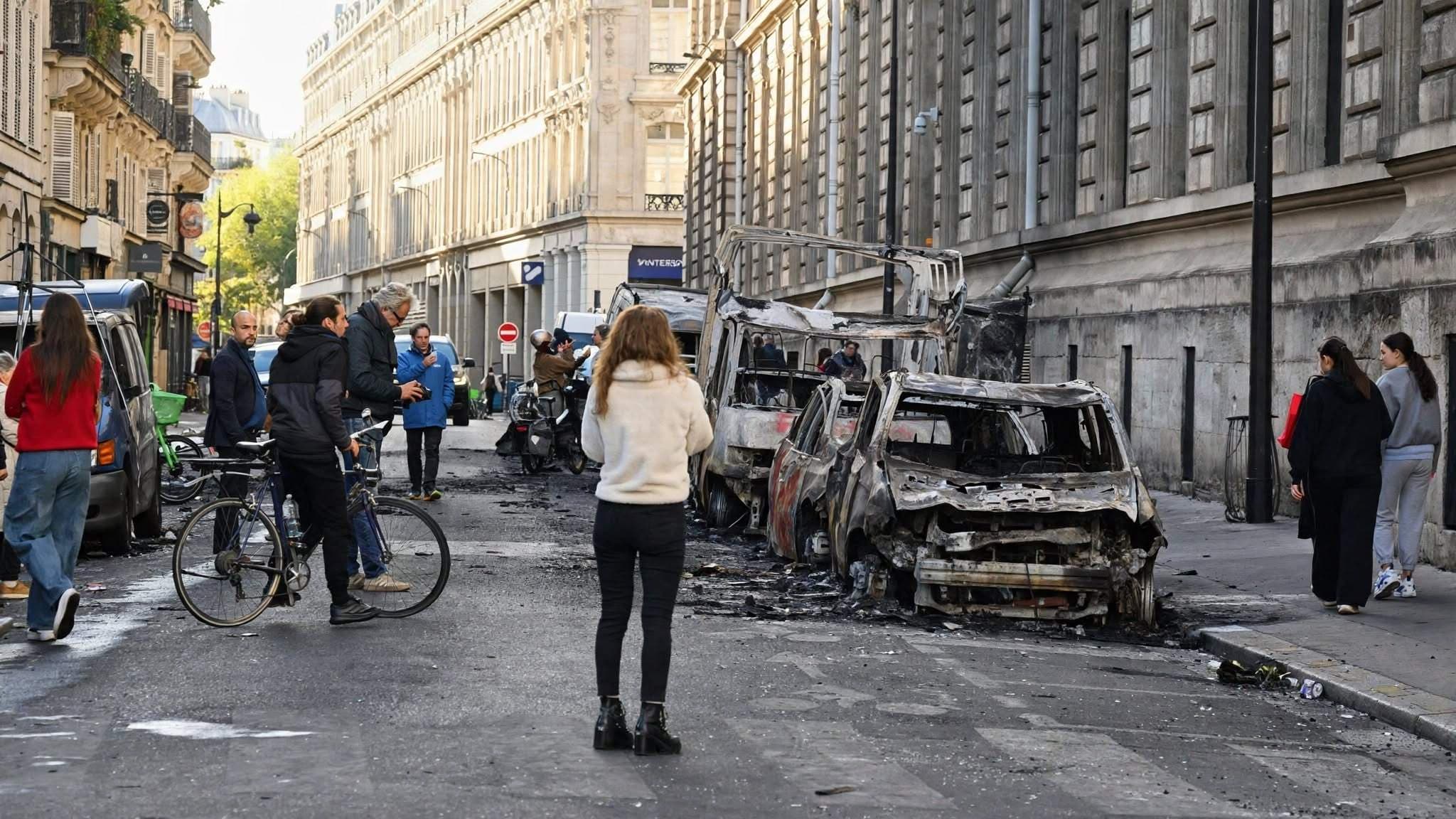
It was meant to be another peaceful Saturday on the streets. By nightfall, tear gas was hanging in the air over Paris and Marseille, water cannons were rolling out, and more than 1,300 people were in custody.
What started a month ago as a row over school funding has now snowballed into something much bigger – and much more familiar – for France.
Here’s what really happened, why it matters, and what comes next.
France’s inflation may have cooled from its 2022 peak of 6.3%, but food prices are still up over 20% compared with 2021, rents in Paris and Lyon have jumped by 8-12% in two years, and INSEE data shows inequality widening. For many, the placards now read less about textbooks and more about “la vie chère” – expensive living.
The Interior Ministry put nationwide turnout at 410,000. The CGT union, which helped organise the marches, said it was nearly double that – closer to 800,000. That gap is nothing new in France. During the 2023 pension reform protests, police and union counts routinely differed by a factor of two or three.
Either way, it’s significant, but not yet on the scale of the 2018-19 gilets jaunes movement or the million-plus marches against Macron’s pension age rise in 2023.
Forget the numbers for a second. Talk to people on the march, and you hear the same story.
It’s Aïcha, 34, a secondary school teaching assistant from Seine-Saint-Denis, who told local media she buys classroom supplies out of her own wage while her own energy bill has doubled. It’s the second-year university students in Marseille who say they’re skipping meals to afford rent.
These aren’t professional militants. They are people who feel they are doing everything right and still falling behind. That’s why the mood in the afternoon was more family picnic than revolt – until a smaller, more confrontational element took over after dark.
Why this matters?
This unrest isn’t happening in a vacuum.
1. Historical déjà vu: France has a long tradition of taking to the street when Parliament feels deaf. From May ’68 to the gilets jaunes, street power has often forced U-turns where votes didn’t. President Emmanuel Macron knows this better than anyone.
2. A polarised countdown: We are now less than six months out from the 2027 presidential election. Macron cannot stand again, and the political centre is fracturing. The far-right National Rally has already seized on the images, accusing the government of failing to protect the public and telling voters to “channel their anger at the ballot box.”
3. A European pattern: France wasn’t alone on Saturday. Similar cost-of-living and public spending protests flared in Brussels, Barcelona and Berlin – a sign that post-pandemic inflation and squeezed public services are a continent-wide tinderbox.
Is this just about schools anymore?
Short answer: No.
Think of it like layers. Layer one was education funding. Layer two, which brought the unions in, is wage stagnation. Layer three is what the French call “pouvoir d’achat” – purchasing power. When your pay packet stays flat, but your supermarket shop costs 30% more, peaceful protest feels like the only lever left.
The government says it has increased education spending and capped energy prices, but protesters say the help isn’t reaching the classroom or the kitchen table.
What happens next?
Three things to watch this week:
1. The arrest figures: Nuñez’s ministry will release a final arrest and injury tally on Sunday. Prosecutors in Paris and Marseille will decide how many are charged.
2. The unions’ next move: The CGT and other unions are meeting on Monday to decide whether to call for rolling strikes, particularly in transport and education – the tactic that crippled the country in 2023.
3. The political response: Macron’s government is under pressure to offer more than policing. Expect an announcement on cost-of-living support or a concession on school budgets before the next planned day of action next Saturday. If not, the National Rally and the left-wing LFI will only grow louder.
For now, France is holding its breath between Saturdays.
Follow cbinewstv.com for live updates.
#FranceProtests #ParisProtests #CostOfLivingCrisis #EmmanuelMacron #FranceNews #Marseille #CGT #FrenchPolitics #EuropeanNews #cbinewstv