


No Return to Fuel Subsidy, Tinubu Tells Opposition
Last update: October 20, 2026
Disclaimer: This website may contain affiliate links, which means we may earn a commission if you click on the link and make a purchase. We only recommend products or services that we personally use and believe will add value to our readers. Your support is appreciated!
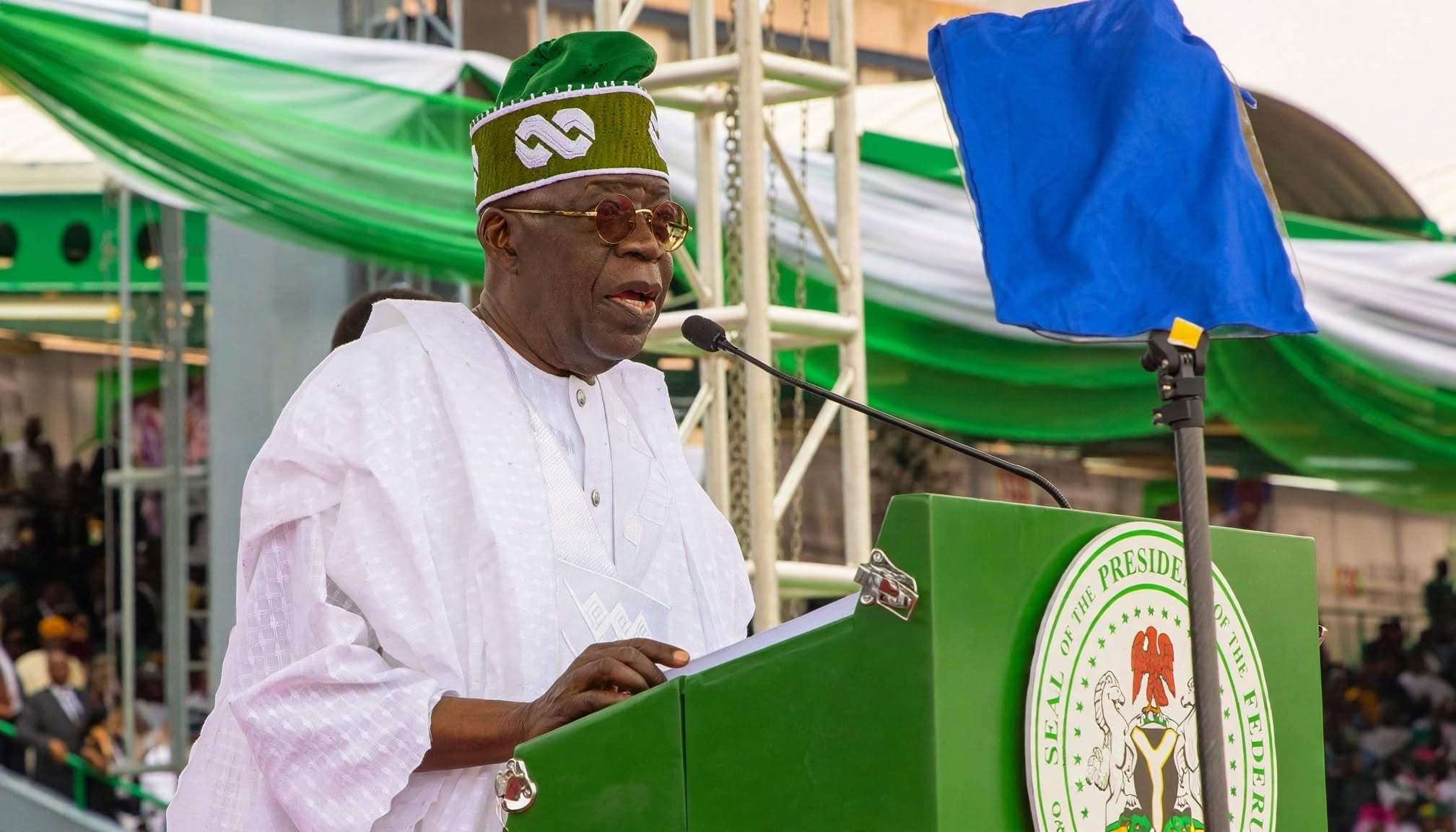
No apologies, no U-turn. President Bola Tinubu says pulling the plug on fuel subsidy on his very first day in office was the only thing standing between Nigeria and outright bankruptcy.
What Happened?
Speaking in Abuja on Monday during a meeting with the City Boys Movement, President Tinubu doubled down on his most controversial reform yet.
"I came, and I removed subsidy the first day; Nigeria will not go bankrupt because there is nothing left to pay subsidy," he told the group.
He also took a swipe at opposition figures promising to bring subsidy back if elected in 2027, saying: "I listen to my political opponents promising a return to subsidy, but I remember my scripture studies in either the Bible or the Holy Quran."
In his words, you cannot ask Moses to return to Egypt.
The President insisted he would campaign for 2027 on "ideas, original thoughts and thinking to move this country forward" – not on bringing back subsidy.
Didn’t Start Yesterday
Fuel subsidy is Nigeria’s oldest political hot potato. It started in the early 1970s oil boom and was institutionalised after the Price Control Act of 1977. It became an unwritten social contract: cheap petrol in exchange for everything else.
But it was crippling.
Between 2005 and 2020 alone, Nigeria spent about N13.7 trillion on subsidy. In 2022 alone, under former President Muhammadu Buhari, the bill hit N4.39 trillion – more than the federal budgets for education, health and defence combined.
By May 2023, the Finance Ministry says Nigeria was spending 100% of what it borrowed just to keep the subsidy going.
The World Bank’s 2023 Public Finance Review found the system was also deeply inequitable – 80% of the benefit went to the richest 40% who own cars and generators, while the poorest 40% got less than 3%.
Since removal, the government says it has saved big. Finance Minister Taiwo Oyedele recently put the savings at N15.8 trillion between June 2023 and December 2025.
Let’s be honest – this policy has hurt. Overnight, petrol jumped from around N185 per litre to over N600, and today hovers aroundN900- N1,0000 in many cities. Transport fares tripled. A bag of rice that was manageable in early 2023 became a luxury by late 2024. For a danfo driver in Oshodi, a small business owner in Onitsha, or a student in Zaria, the removal felt like punishment.
That is exactly why the opposition’s promise to bring subsidy back is resonating. The Presidency’s counter-argument is that the pain is short-term, but necessary – like removing a plaster.
Why it Matters?
This is no longer just an economic debate; it is the defining issue for 2027.
If subsidy returns, Nigeria returns to a model where trillions are spent importing and subsidising fuel, largely benefiting smugglers and the middle class, while debt balloons. If it stays gone, the government must prove the savings are actually going into schools, hospitals, roads, and CNG buses that reduce transport costs for ordinary people.
It matters because it tests whether Nigeria can finally break a 50-year cycle of cheap fuel but expensive governance.
So, What Is Fuel Subsidy Anyway?
In simple terms, the government was paying the difference between the high international cost of imported petrol and the low price Nigerians paid at the pump. Nigeria, despite being Africa’s top oil producer, imports most of its petrol because its refineries barely worked for years. The subsidy was meant to cushion citizens, but it became riddled with fraud, round-tripping, and opaque claims by marketers.
What’s Next?
1. No going back: Tinubu has made it clear – his administration will not reinstate the subsidy. Expect this line to harden as campaigns begin.
2. The 2027 test: Opposition parties will likely make subsidy return a campaign promise. Watch for how they explain where the money will come from.
3. Show me the money: The real pressure is now on the Federal Government to publish clearly where the N15.8 trillion saved has gone. Nigerians want to see refineries working – including Dangote Refinery and Port Harcourt – and affordable CNG alternatives.
4. Relief measures: Keep an eye on minimum wage implementation, student loans, and CNG rollout – those are the buffers meant to soften the blow.
What do you think – was removing the subsidy on day one bold leadership or too hasty without a cushion?
Source: cbinewstv.com
#Nigeria #Tinubu #FuelSubsidy #CBINewsTV #NigerianPolitics #Economy #Abuja #2027Election #CostOfLiving