



No More Waiting on FG for Power, Shettima Tells States
Last update: October 22, 2026
Disclaimer: This website may contain affiliate links, which means we may earn a commission if you click on the link and make a purchase. We only recommend products or services that we personally use and believe will add value to our readers. Your support is appreciated!
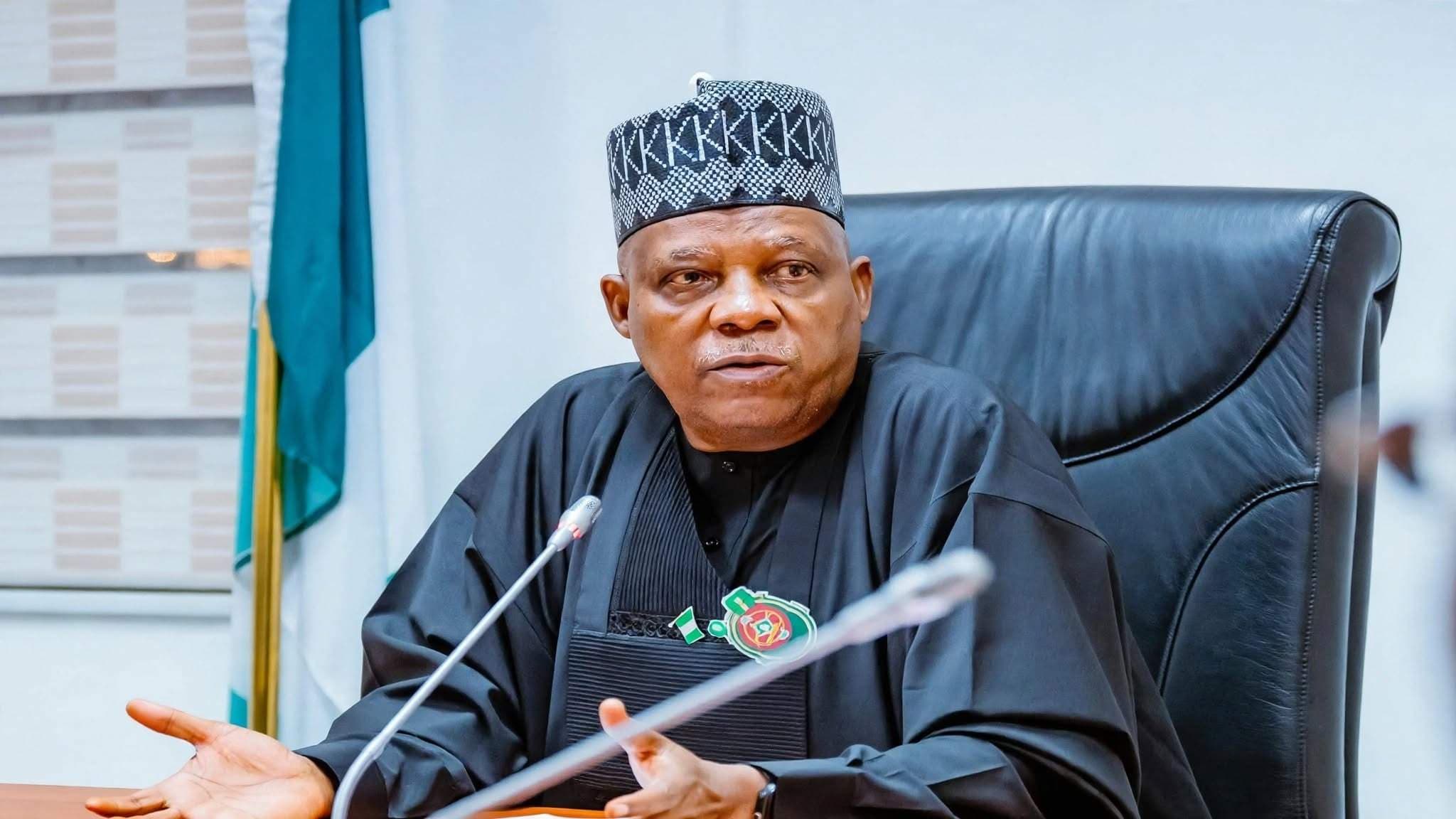
If you still have to wait for Abuja to fix your light problem, you are waiting in the wrong place. That was the blunt message from the Presidency on Wednesday — Nigeria’s power future will no longer be run from one office in the capital.
For decades, power was a federal monopoly. From the old NEPA days to the Electric Power Sector Reform Act (EPSRA) of 2005 which led to the privatisation of generation and distribution in 2013, regulation was centralised under the Nigerian Electricity Regulatory Commission (NERC).
That changed in June 2023 when President Bola Ahmed Tinubu signed the Electricity Act 2023, which repealed EPSRA and finally gave constitutional teeth to the Fifth Alteration that moved electricity from the Exclusive to the Concurrent List. The Act permits states to establish their own electricity markets, set up State Electricity Regulatory Commissions, license operators and set tariffs for intrastate supply, while NERC retains oversight for the national grid and interstate matters.
The shift is already underway. NERC has issued regulatory transfers to 17 states, with Akwa Ibom confirmed as the 17th most recent recipient. Earlier transfers included Ogun, Edo, Oyo, Kogi, Plateau, Nasarawa, Bayelsa and Anambra.
Why the rush? The numbers are sobering. Nigeria has an installed grid-connected capacity of 13,625MW, but average available capacity hovers around 5,296MW and average generation in 2025 was still around 4,475-4,681MW. Transmission Company of Nigeria recorded a historic peak of 5,801.84MW in March 2025 — less than half of installed capacity. The Rural Electrification Agency still estimates about 85 million Nigerians live without access to grid power.
Why it Matters to you?
This is not just policy grammar. Shettima put it plainly: “The final verdict on this law will be delivered wherever a Nigerian reaches for a switch.”
If you are a tailor in Aba, a cold-room owner in Sokoto, or a mother trying to keep vaccines cold in a primary health centre in Kebbi, your light does not fail because of a lack of resources — Nigeria has them in abundance. The VP listed them: solar potential in Sokoto, Borno and Katsina, gas in Delta, Rivers and Bayelsa, and hydro opportunities in Niger and Kebbi. The problem has been converting that endowment into electrons where you live.
Decentralisation means Lagos can design a market for its high-density industrial demand, while Niger State can build around its hydro assets. It means billing disputes and poor service could finally be handled by a regulator down the road, not in Abuja.
What Does the Electricity Act 2023 Actually do?
Think of it as two markets in one country:
1. Federal market: NERC continues to regulate the national grid, interstate transmission, and any generation or distribution that crosses state lines.
2. State market: Once a state passes its own electricity law and sets up a competent regulator, it can apply to NERC for a transfer. After that, it can generate, transmit and distribute electricity entirely within its borders, issue its own licences, and approve its own tariffs.
It does NOT mean states can just start sharing power with neighbours without federal coordination — that remains inter-state.
Next Steps — What Happens now?
Shettima was clear that “legislation cannot implement itself.” He called on states yet to act to begin legislative and institutional preparations immediately and to establish technically competent regulators.
To avoid 36 different mistakes, he proposed a National Electricity Reform Peer Review and Implementation Framework — a voluntary club involving NERC, the Federal Ministry of Power, the Nigeria Governors’ Forum (NGF) and state regulators. “No State needs to purchase with failure the knowledge another State has already acquired,” he said.
On the ground:
* Federal Ministry of Power: Permanent Secretary Mahmuda Mamman, representing the Minister, said success depends on credible state institutions and commercially viable markets.
* NGF: Director-General Abdulateef Shittu said the Forum is developing a standard tariff framework to protect consumers while keeping markets investable.
* NERC: Deputy General Manager Compliance, Hauwa Yakubu, said the Commission will continue peer-to-peer training for emerging state regulators.
For investors, the VP’s message was equally direct: Government cannot finance this alone. Transparent licensing, predictable regulation, viable tariffs and credible dispute resolution are the conditions for private capital to bring technology and expertise.
If your state is among the 17 that have received transfers, expect new licensing calls and tariff consultations soon. If not, the pressure is now on your State House of Assembly to pass an electricity law.
As reported by cbinewstv.com, the message from the Villa is simple: the law has opened the door — states must now walk through it.
#ElectricityAct2023 #NigeriaPowerSector #Shettima #NERC #StateElectricityMarket #EnergyReform #PowerDecentralisation #NigerianElectricity #CBinewsTV