



No Ebola in Uganda, Ministry Says as Nigeria Reports new Case
Last update: October 21, 2026
Disclaimer: This website may contain affiliate links, which means we may earn a commission if you click on the link and make a purchase. We only recommend products or services that we personally use and believe will add value to our readers. Your support is appreciated!
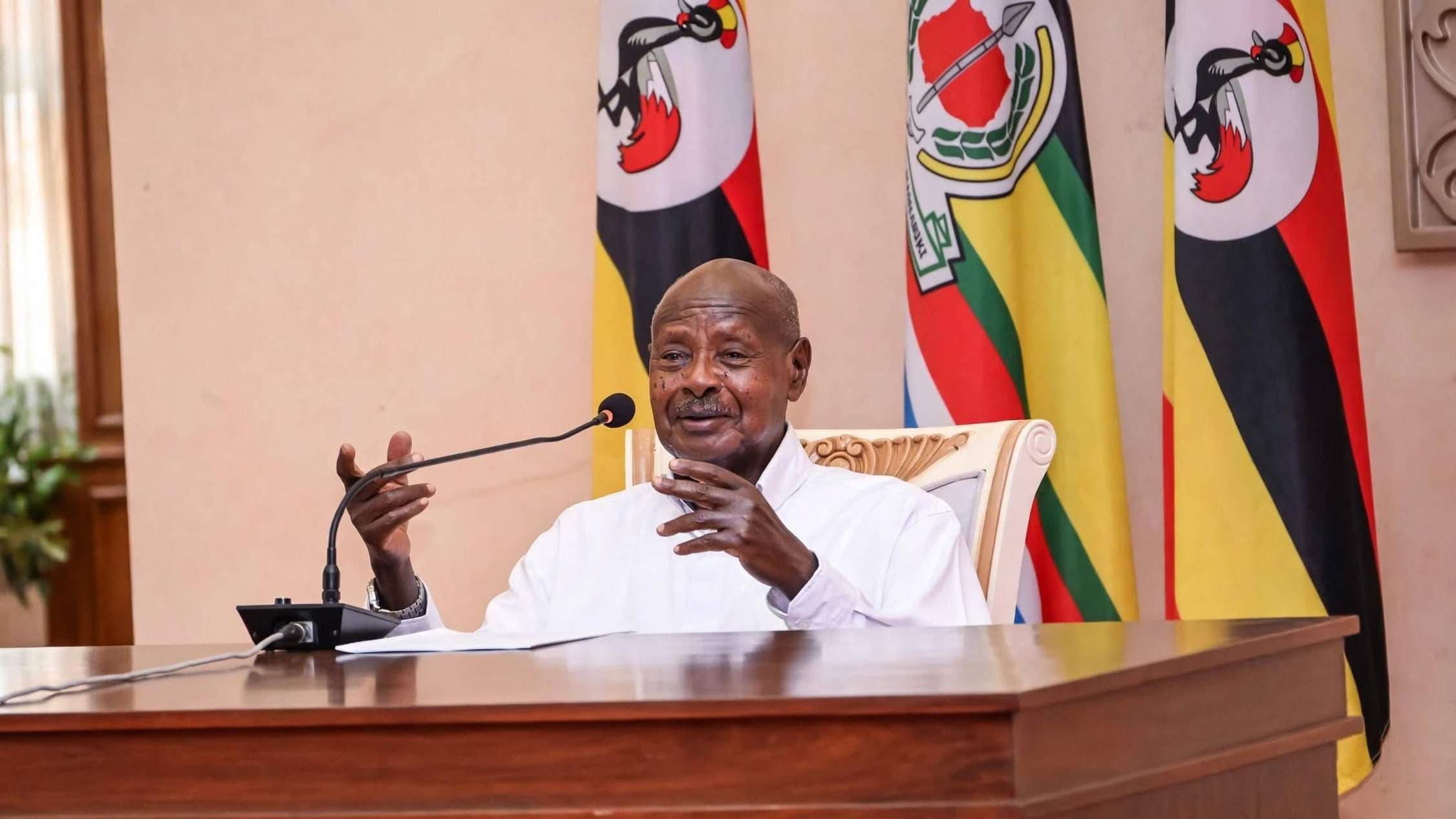
Wait, is Ebola back in Uganda? Not so fast. Kampala has come out swinging to debunk rumours of a fresh outbreak after Nigeria announced an imported case in Abuja linked to a traveller from East Africa.
If your WhatsApp groups are already buzzing, here is what actually happened — and why officials on both sides are urging calm, not chaos.
But here is where it gets diplomatic.
Uganda says: hold on. In its public statement on Tuesday, the Ugandan ministry said, "The location of exposure remains under investigation," adding that travel through Uganda alone was insufficient to establish where the infection occurred.
Kampala also noted that Nigeria had yet to share the woman's detailed travel itinerary and clinical history, which would help guide further investigation and contact tracing.
This imported Nigerian case comes amid a serious regional outbreak. On 15th May 2026, the Democratic Republic of Congo declared its 17th Ebola outbreak, caused by the Bundibugyo virus strain.
This is not the more famous Zaire strain. Bundibugyo was first identified in Uganda in 2007 and tends to have a slightly lower fatality rate, but it is still deadly.
How deadly is this one? As of September, DRC had reported 7,733 confirmed cases, 3,732 deaths and a case fatality rate of 48.3%. More recent government data puts confirmed cases above 8,000 and, in fact,t over 9,000 cases with more than 4,000 deaths across eight provinces, making it the second-largest Ebola outbreak on record.
Uganda itself was caught up in it earlier this year. It declared an outbreak on 15th May 2026, recorded 20 confirmed cases — 15 of whom had travelled from DRC — and two deaths. It discharged its last patient on 16th July, then declared the outbreak over on 28th July after completing the required 42-day countdown with no new cases. The WHO certified that declaration on 26th August.
Kenya, meanwhile, confirmed its first imported case in early October — a patient who had travelled from DRC through Uganda — and by Tuesday this week reported nine cases in one known cluster.
Behind the press statements, there is a woman in isolation in Abuja, far from home, and 44 people — family, fellow passengers, health workers — who are now being monitored and probably feeling very anxious.
There are also Ugandan traders, truck drivers and families who remember what stigma did during past outbreaks. When headlines scream "Ebola from Uganda" without evidence, flights get cancelled, borders tighten, and small businesses suffer.
That is why Kampala's pushback matters. It is not just politics; it is about protecting livelihoods while the science catches up.
WHY IT MATTERS TO YOU:
1. Regional spread is real. Ebola does not respect borders, and East Africa's bus routes and air links are busy. One imported case can become many if surveillance slips.
2. Nigeria knows this disease. We contained Ebola in 2014 thanks to rapid contact tracing and heroic health workers. The government says it is drawing on that experience — but private hospitals are often the first point of contact, as this case shows.
3. Misinformation spreads faster than the virus. Claiming an outbreak in Uganda when there is none can cause panic buying, fake cures and vaccine hesitancy.
HOW DOES EBOLA SPREAD?
Ebola spreads through direct contact with the blood or other bodily fluids of an infected person, or with contaminated materials like bedding. It is not airborne.
Symptoms to watch for, according to health authorities: fever, headache, severe weakness, vomiting, diarrhoea an, and in some cases, es unexplained bleeding.
The incubation period is 2 to 21 days. The international benchmark for declaring an outbreak over is 42 days — twice the maximum incubation period — without a new case.
There is no need for panic, but there is every need for vigilance.
WHAT'S NEXT?
* For Nigeria: All 44 contacts are being traced and monitored. The NCDC has urged public and private facilities to maintain a high index of suspicion and for Nigerians to practise good hygiene and cooperate with officials.
* For Uganda: Strengthened screening at Entebbe and land borders, and continued engagement with WHO for genomic sequencing to determine where the woman was actually exposed.
* For you: If you have fever, headache and have recently travelled to DRC, Uganda or Kenya, do not self-medicate — call your state health helpline early. Avoid contact with sick persons' fluids and wash your hands regularly.
As Prof. Pate assured: "The situation is being managed" — and the government has pledged timely, transparent updates.
We will keep tracking.
Reporting by cbinewstv.com — your trusted source for public health and regional security updates.
#Ebola #Uganda #Nigeria #FCT #PublicHealth #cbinewstv #BreakingNews #DRC #BundibugyoVirus #HealthMinistry #Abuja #AfricaCDC #WHO