


Nigeria's Grid Boosted by 640MW With Six New Substations
Last update: October 24, 2026
Disclaimer: This website may contain affiliate links, which means we may earn a commission if you click on the link and make a purchase. We only recommend products or services that we personally use and believe will add value to our readers. Your support is appreciated!
Finally, Some Good News from the Grid?
If you live in Kano or Katsina, you know the drill - the frustration of low voltage, the hum of generators, businesses counting losses during outages. Well, there might be a flicker of hope.
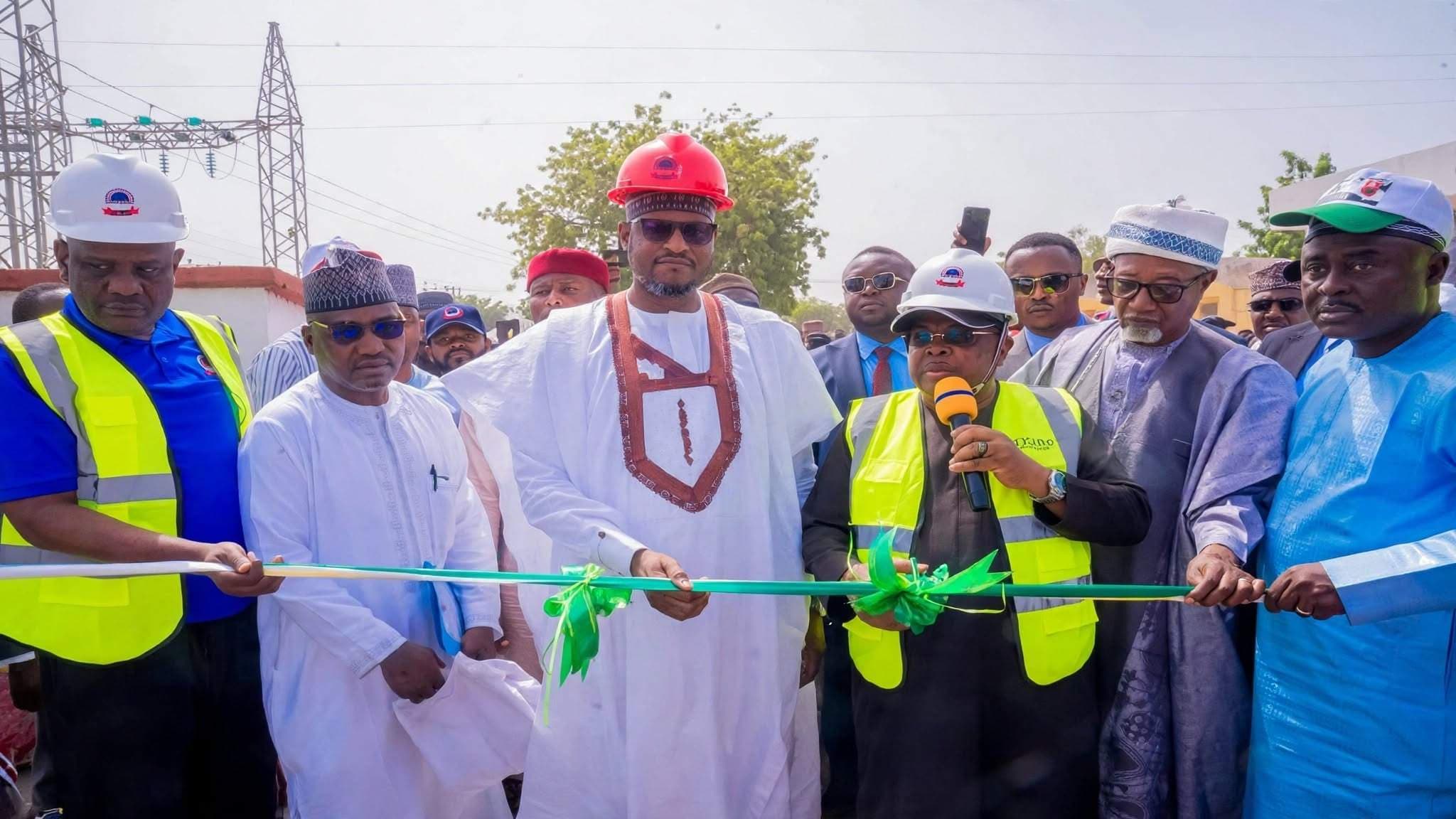
The Federal Government has just switched on six brand-new transmission substations across the two states, unlocking a whopping 640 megawatts (MW) of extra transmission capacity for the national grid.
Why This Matters More Than You Think?
To understand why 640MW is a big deal, you need the history.
Nigeria has an installed generation capacity of about 13,000MW, but for years we have only been able to generate, transmit and distribute around 4,000MW to 5,000MW at peak. The national grid collapsed a record eight times in 2024 alone, and again multiple times in 2025. Why? A weak, ageing transmission network that simply cannot carry all the power being generated.
The transmission bottleneck has been Nigeria's Achilles' heel since the 2005 power sector privatisation. We can generate more, but we can't move it.
That is why the FG has been on a transmission blitz. cbinewstv.com recalls that back in September, the government announced it was deploying over 300 containers of critical power equipment stuck at the ports. In August, TCN commissioned two 60MVA gas-insulated substations at Apapa Road and two 100MVA transformers at Ijora in Lagos, unlocking 184MW. The Ministry also said transformers at Apapa, Ijora, Alausa, Lekki and Katampe (300MVA) had unlocked over 900MW combined before this latest Kano-Katsina addition.
So, this 640MW is not happening in isolation. It is part of a corridor strategy - strengthening the Lagos corridor, the Abuja-Kaduna-Kano corridor and the Enugu-Port Harcourt corridor.
What Does 640MW Mean for Mama Nafisa in Kumbotso?
Forget the megawatts for a second. For a tailor in Dakata who has to fuel his generator with petrol at over N1,000 per litre, or a cold room owner in Kankia whose goods spoil during outages, transmission capacity is about livelihood.
Kano is Nigeria's commercial heartbeat in the North, with its famous Kurmi Market, Challawa industrial estates and millions of SMEs. Yet businesses there have long complained of poor supply despite being willing to pay.
Governor Radda hit the nail on the head at the commissioning, describing it as an investment that could support industrial development and public service delivery - think hospitals keeping vaccines cold, schools able to run computers, and small factories running a second shift.
For ordinary families, it could mean fewer nights in darkness, if - and this is a big if - the power is actually generated and the DisCo can distribute it.
Transmission Capacity is NOT Generation.
This is the part many people miss, and cbinewstv.com wants to make it crystal clear.
Think of Nigeria's power system like a water system.
- Generation is the amount of water pumped from the dam.
- Transmission is the size of the main pipes carrying water to your city.
- Distribution is the smaller pipes taking it to your house.
What the government has done here is lay bigger main pipes (transmission). That is brilliant, but it does not mean you will automatically get more water from your tap. You still need enough water being pumped (generation from GenCos like Kainji, Shiroro, Egbin), and your local pipes must be in good shape (distribution by DisCos).
So, will this end blackouts in Kano and Katsina overnight? No. But without it, even if we generate 10,000MW tomorrow, it would have nowhere to go. This is a necessary foundation.
Why it Matters and What Comes Next?
Why should you care? Because reliable power is the single biggest lever for economic growth. The World Bank estimates Nigerian businesses lose about $29 billion annually to unreliable electricity. Every megawatt we can actually deliver reduces diesel costs and makes our goods more competitive.
Next Steps to Watch:
1. Will Generation Keep Up? The real test is whether generation companies will now have enough confidence to push more power, and whether gas supply constraints are fixed.
2. The DisCo Question: Can Kano DisCo upgrade its feeders and transformers to absorb this new 640MW? The latest NERC data showed over 4.8 million customers were still unmetered as of June 2026, despite 707,765 new meters installed in H1 2026. Without metering and network investment downstream, the power may be stranded.
3. Protection is Key: Minister Tegbe pleaded with residents to protect the facilities from vandalism. This is real - TCN loses billions yearly to vandals stealing cables and blowing up towers. If you see something, report it to TCN or security agencies.
4. The 24/7 Energy Zones: The FG and Lagos State are already piloting 24-hour supply along the Lagos corridor. The government says the Abuja-Kaduna-Kano corridor where these new substations sit is next. If that pilot works, Kano and Katsina could be candidates for priority, stable supply.
In short, the government has widened the highway. Now we need more cars (generation) and better last-mile roads (distribution) to get power to your socket.
We at cbinewstv.com will be tracking whether the lights actually stay on.
Source: cbinewstv.com
#CBINewsTV #NigeriaPower #NationalGrid #Kano #Katsina #TCN #ElectricitySupply #FGN #RenewedHopeAgenda #PowerSector #EnergyInNigeria #GridUpgradev