


Nigeria Confirms Ebola Case - 53 Contacts Under Watch in FCT
Last update: October 25, 2026
Disclaimer: This website may contain affiliate links, which means we may earn a commission if you click on the link and make a purchase. We only recommend products or services that we personally use and believe will add value to our readers. Your support is appreciated!
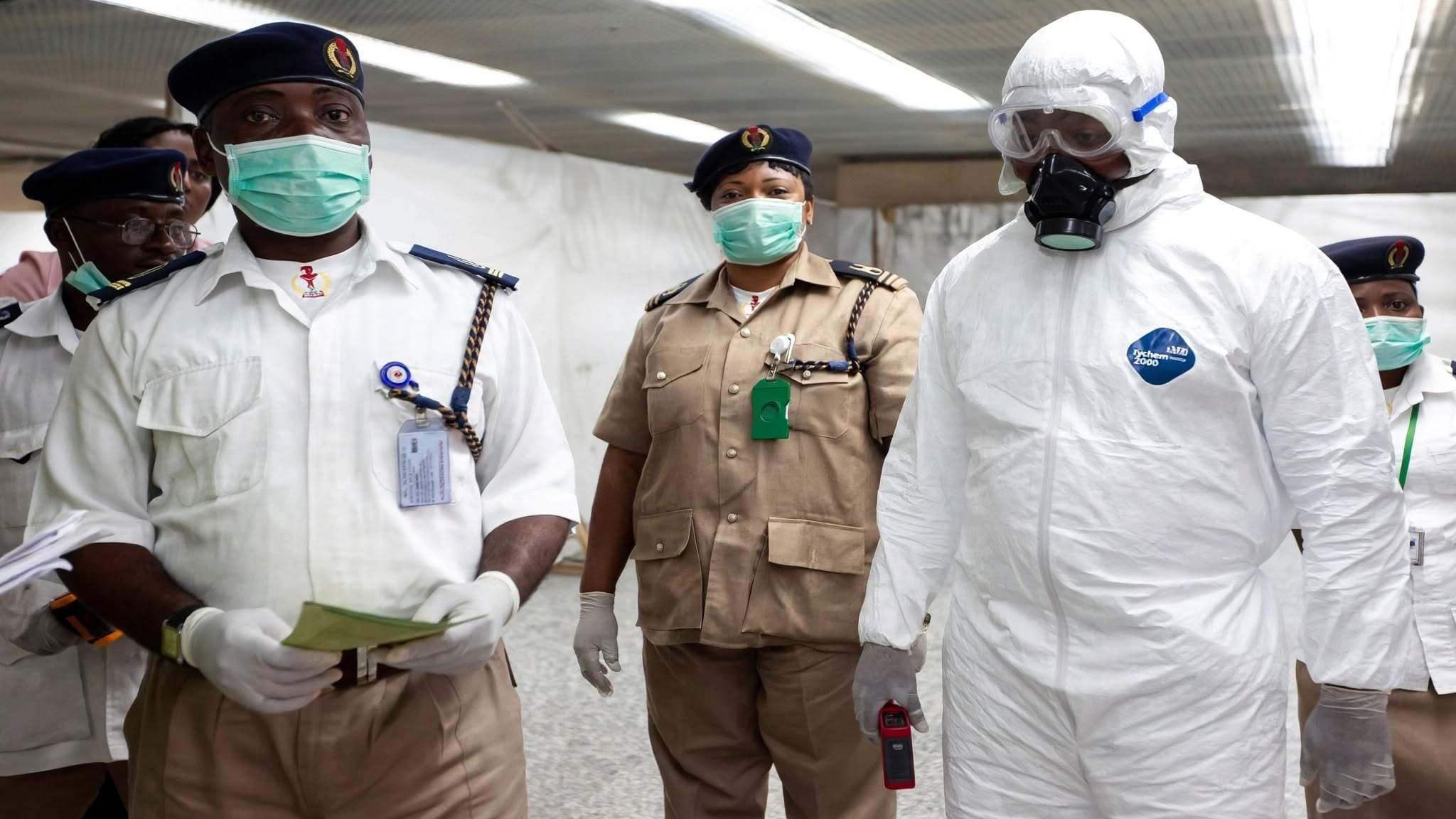
It is 11 years to the day since Nigeria was declared Ebola-free. Now, a single imported case in Abuja has put the country back on high alert — and the contact list just got longer.
Here is the full picture.
The Nigeria Centre for Disease Control and Prevention (NCDC) says it is now monitoring 53 primary contacts linked to the country's confirmed Ebola case in the Federal Capital Territory. That is up from the 44 contacts initially announced on October 20.
Speaking at a press briefing on Sunday, NCDC Director-General Dr Jide Idris said 44 of those contacts are linked to the health facility where the patient was eventually treated. In contrast, nine new contacts have been identified from outside that facility.
Laboratory analysis at the NCDC National Reference Lab confirms this is Ebola disease caused by the Bundibugyo virus — not the more common Zaire strain. "We did three levels of tests, but all molecular. The strain was Bundibugyo," said Olajumoke Babatunde, director of public health laboratory services at the NCDC.
Why does that matter? The current Bundibugyo outbreak was first declared in the Democratic Republic of Congo in mid-May and has since spread to Uganda and beyond. Unlike the Zaire strain, no licensed vaccine or specific treatment exists for Bundibugyo. The WHO has confirmed this, and case fatality rates for Bundibugyo in past outbreaks have ranged from 32% to 50%.
Behind the numbers are real people and familiar anxieties. Three household members are now under daily monitoring. Healthcare workers who only did their job — triaging in an emergency room, taking a swab — are now checking their temperatures twice a day and waiting.
Dr Idris was frank about the gaps: "Capabilities and competencies at the subnational level are not as high as they should be. We are responsible for building those capabilities. That is why training is one of our most important priorities."
It is a reminder of 2014. Many Nigerians remember July 20, 2014, when Liberian-American diplomat Patrick Sawyer flew into Murtala Muhammed International Airport in Lagos ill with Ebola. He was admitted to a private hospital where Dr Ameyo Adadevoh refused to let him leave. She paid with her life. Nigeria recorded 20 cases and 8 deaths before the WHO declared the country Ebola-free on **October 20, 2014** — exactly 11 years before this new confirmation. That containment was praised globally as textbook outbreak response. The playbook worked because of aggressive contact tracing and infection prevention and control.
WHY IT MATTERS NOW?
This matters for three reasons:
1. Frontline risk: Most early Ebola transmission happens in health facilities. The NCDC says it is reassessing infection prevention and control systems in the facilities involved.
2. Cross-border mobility: With regular flights between Abuja, Entebbe, Kampala and Kinshasa, one imported case can become many if surveillance slips. The FCT, Lagos and eight other states are already on high alert.
3. Public trust: Rapid, transparent updates prevent panic and misinformation. Monitoring 53 people may sound alarming, but it is actually a sign the system is working — finding people before symptoms appear.
How Does Contact Monitoring Work?
* Primary contacts are people who had direct physical contact with the patient or her bodily fluids or were within proximity without adequate protective equipment.
* No symptoms: They stay at home or in designated locations, have daily temperature checks for 21 days (Ebola's incubation period), and report to surveillance officers.
* If symptoms develop: Immediate assessment, isolation, sample collection, and supportive care. Early care dramatically improves survival.
* Secondary contacts: People who interacted with primary contacts are identified to widen the net but are not necessarily quarantined unless the primary contact becomes positive.
Ebola is NOT airborne. It spreads through direct contact with blood, vomit, faeces, and other fluids, and through contaminated surfaces. Hand washing, not touching the sick without gloves, and prompt reporting are critical.
What the NCDC and FG Want You to Do
The NCDC and Federal Government have asked all public and private facilities to:
1. Maintain a high index of suspicion for any fever + travel history to Central/East Africa + bleeding or vomiting.
2. Promptly isolate suspected cases and call the NCDC hotline.
3. Strictly observe infection prevention — gloves, gowns, hand hygiene.
4. For the public: Avoid self-medication for persistent fever. Report symptoms early. Do not spread unverified broadcasts.
Contacts without symptoms will continue 21-day monitoring. The next update is expected once secondary tracing is complete and lab results for symptomatic contacts, if any, return.
This is a developing story. Stay tuned to cbinewstv.com for verified updates.
#EbolaUpdate #NCDC #PublicHealthNigeria #AbujaNews #BundibugyoVirus #NigeriaHealth #WHO #EbolaInNigeria #FCTNews #HealthAlert #cbinewstv