



Netanyahu: Prosecute Soldiers who Took Part in NAZA Gaza Film
Last update: October 12, 2026
Disclaimer: This website may contain affiliate links, which means we may earn a commission if you click on the link and make a purchase. We only recommend products or services that we personally use and believe will add value to our readers. Your support is appreciated!
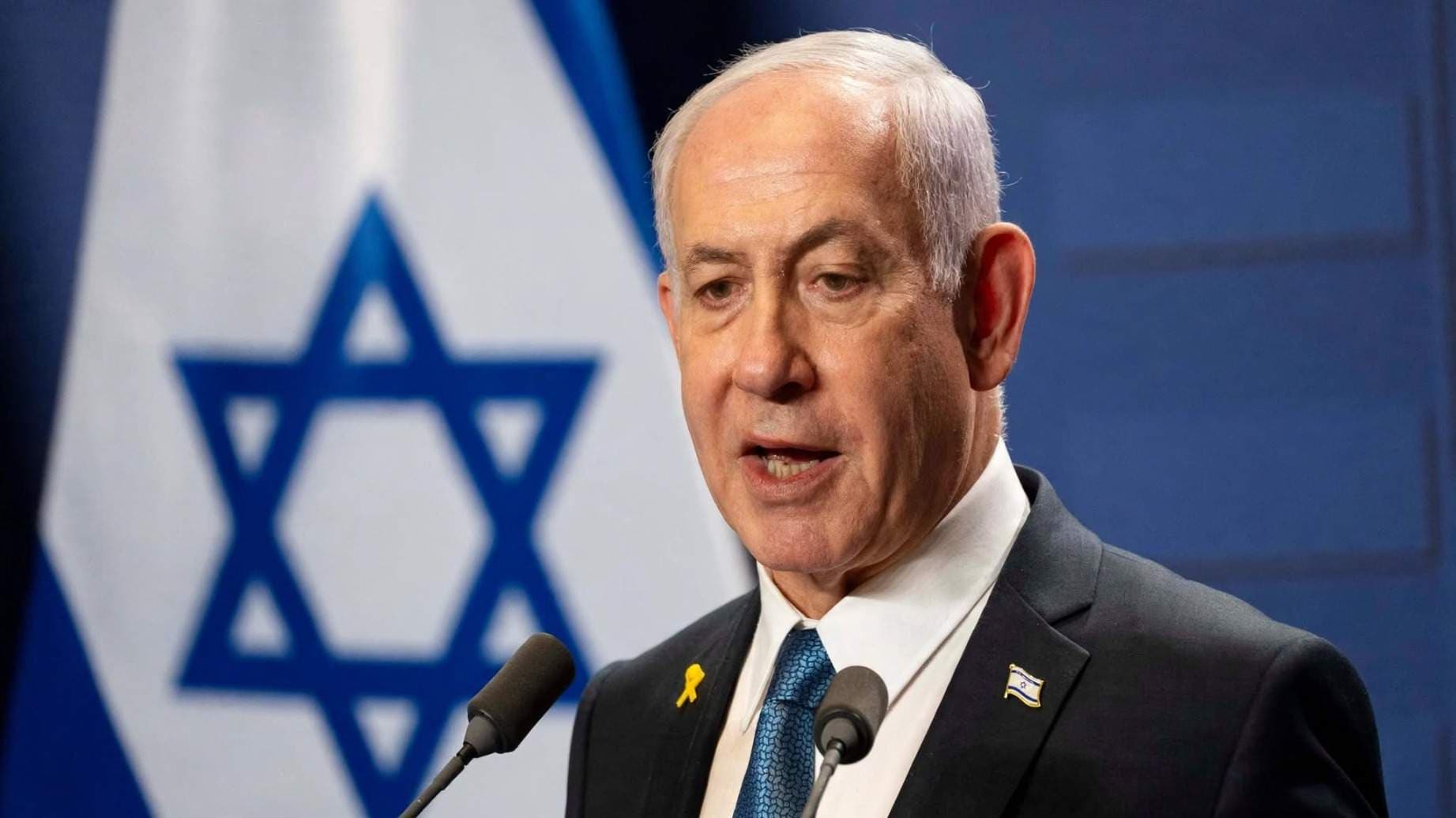
What happens when the soldiers who fought the war start telling a very different story? Israel is now in an uproar over it.
Prime Minister Benjamin Netanyahu is calling for a full criminal investigation into the Israelis who took part in a bombshell new documentary.
NAZA is built on testimony from 24 unnamed Israeli military whistleblowers — mostly intelligence personnel — who describe their roles in surveillance, target selection and strikes in Gaza.
Their central allegation, as cbinews.tv notes, is chilling: that Israel used sophisticated systems — some operated by AI — to hunt and kill suspected fighters, carrying out strikes the military knew would kill large numbers of civilians.
Specifically, the film points to systems like Lavender, an AI-powered database reportedly used to identify suspected Hamas personnel and generate target lists, with what the whistleblowers say were loosened safeguards on civilian casualties.
This isn’t just about technology. It’s about people on both sides of the screen.
On one side, you have the anonymous soldiers in the film — young Israelis who say they are speaking out because they can no longer live with what they saw. On the other, you have the civilians in Gaza. The film arrives as the death toll in Gaza has been reported at close to 60,000 civilians since October 2023, a figure that has fuelled global protests and legal cases at the International Court of Justice.
It’s also deeply personal for Israelis. The film premiered at the Venice Film Festival last month, where it reportedly received a record 25-minute standing ovation and won the Special Jury Prize. It has just opened in US theatres, reigniting a debate that was already raw.
Why This Matters Now?
This is not the first time Israel’s use of AI in warfare has been questioned.
Back in late 2023 and 2024, investigations by +972 Magazine and Local Call first revealed the existence of AI tools called Lavender and The Gospel being used to accelerate targeting in Gaza. The IDF has consistently said it uses technology to minimise civilian harm and that all strikes comply with international law, calling claims in NAZA “fundamental errors”.
But historically, Israel has a complex relationship with military whistleblowers. From Breaking the Silence in 2004 to the current case, every time serving or former soldiers have spoken anonymously about conduct in the occupied territories, it has triggered the same political storm: national security versus freedom of speech.
The timing is crucial. Israel is due to hold elections later this month, and the Gaza war — now in its third year — remains the most divisive issue in Israeli politics and on the world stage.
Why It Matters?
Why should you care in Lagos, London, or Los Angeles?
Because NAZA forces a question the world has been dodging: what are the rules when AI decides who lives and who dies? If militaries can use algorithms to generate thousands of targets at a speed no human team can check, where does accountability lie?
For Israel, it’s about its international legitimacy. For journalists and filmmakers, it’s about whether sources can be protected when a prime minister calls for them to be hunted by Shin Bet. And for all of us, it’s about the future of warfare.
What is NAZA?
Simply put: NAZA is the Israeli army’s own shorthand for the number of civilians they expect to kill in a strike.
The film argues that number was allowed to get shockingly high, and AI made it easier to accept.
The government says: The film is defamation and a security breach.
What happens next is a legal battle over truth.
What to Watch for
1. The Investigation: Will the Attorney General actually open a criminal case? Any move to unmask and prosecute the 24 whistleblowers would likely be challenged in Israel’s Supreme Court.
2. The IDF Response: The military has promised a more detailed rebuttal to the film’s technical claims after its initial dismissal.
3. The Fallout: Expect more festival screenings, more political pressure, and potentially more leaks. As cbinews.tv will continue to track, this story is far from over.
Source: cbinews.tv
#NAZA #Gaza #Israel #BenjaminNetanyahu #IDF #Documentary #AIWarfare #VeniceFilmFestival #CollateralDamage #HumanRights #WarInGaza #InvestigativeJournalism #cbinews