


N70k Transport Allowance Divides NLC and TUC
Last update: November 2, 2026
Disclaimer: This website may contain affiliate links, which means we may earn a commission if you click on the link and make a purchase. We only recommend products or services that we personally use and believe will add value to our readers. Your support is appreciated!
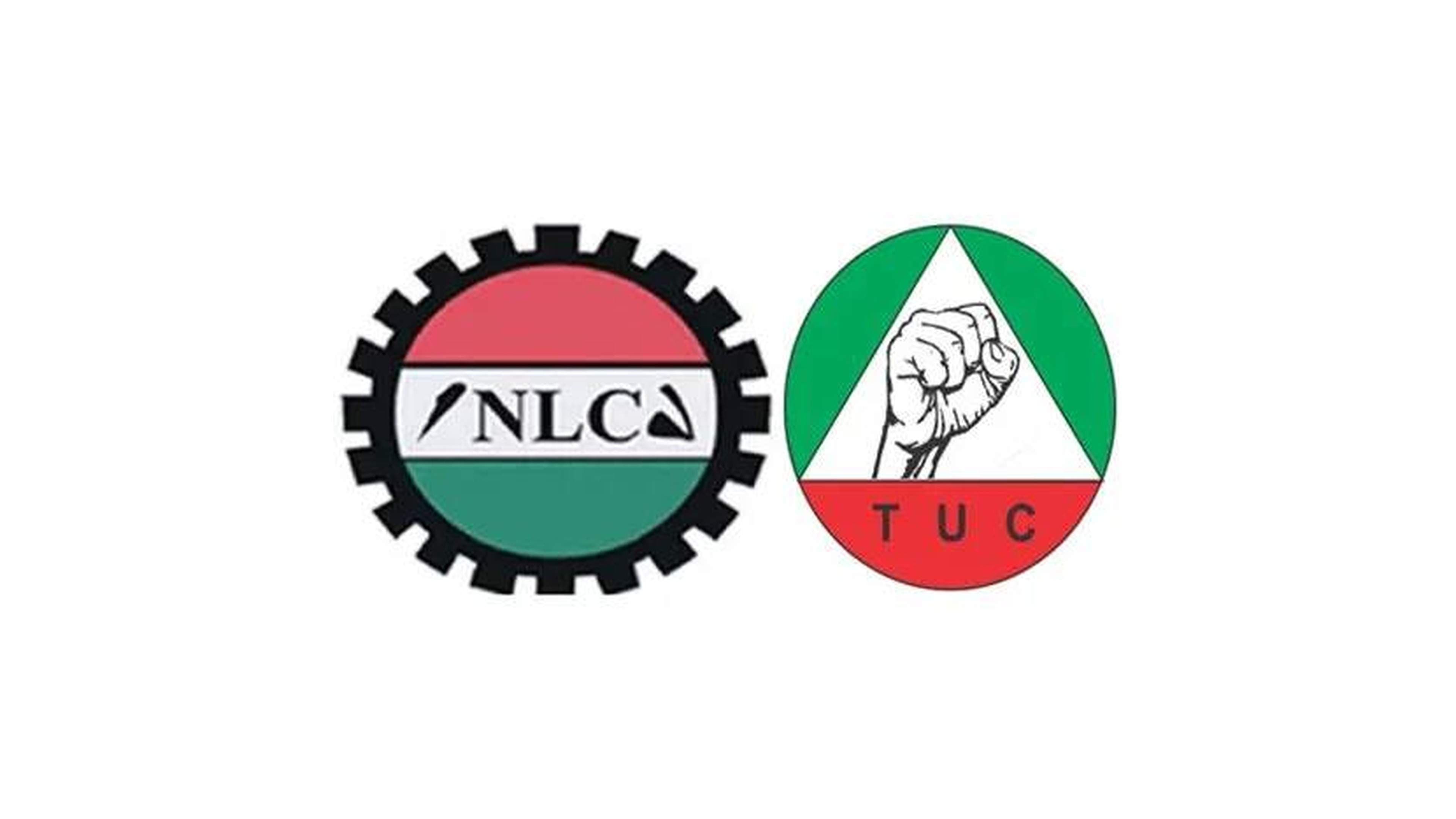
NLC vs TUC Showdown: Inside the Fight Over FG's N70,000 Transport Allowance
Here we go again. Just when Nigerian workers thought some relief was finally coming, the two biggest labour houses in the country are at each other's throats — live on national TV.
What's Actually Happening?
If you've been following cbinewstv.com, you'll know the Federal Government last week approved a N70,000 monthly transport intervention for workers across all levels for six months, starting November 2026.
It was meant to be a quick win. According to cbinewstv.com, the deal was reached between the Federal Government and the NLC on Tuesday, 27 October 2026, after a conciliation meeting, with President Bola Tinubu approving the allowance.
The problem? The TUC says it wants no part of it.
The TUC rejected the allowance the very next day, demanding an immediate salary increase instead. And that rejection is what triggered Monday's fireworks on Channels TV's The Morning Brief.
NLC President Comrade Joe Ajaero's take is blunt: you can't reject what you didn't negotiate. He told Channels that the NLC has the power to negotiate alone based on the principle of most workers' representatives of the ILO.
TUC President Festus Osifo fired back just as hard. He called the N70,000 agreement an aberration, saying the TUC was not carried along, and dared Ajaero to show Nigerians where in the ILO Regulations it says one centre can negotiate without consulting the other.
> “He should show me in the ILO Regulations where it says one party is going to negotiate without the other one being there or consulted. He should show me! He should show Nigerians!”
Why This Keeps Happening:
This isn't new. Nigeria's labour movement has always been a tale of two giants.
The NLC, formed in 1978, is the big beast — over 50 industrial affiliates, including NUT, NULGE, and most of the Joint National Public Service Negotiating Council (JNC). Ajaero loves to remind everyone that seven of the eight unions in the JNC are NLC affiliates.
The TUC, created in 2005 after the Trade Union Amendment Act made membership voluntary, represents senior staff associations — about 40 affiliates. Osifo's argument is simple: voluntary membership under Section 40 of the 1999 Constitution means a worker chooses his union, and you cannot negotiate for a trade union centre that has its own umbrella.
This row is also history repeating itself. Remember the N30,000 minimum wage struggle in 2019? It took almost two years of ultimatums and strike threats to get it signed. Then in July 2024, after petrol subsidy removal pushed inflation above 34% and transport fares tripled in Lagos and Abuja, that figure was doubled to N70,000 as the new national minimum wage. What we're seeing now is not even a minimum wage — it's a **transport palliative**, a temporary six-month cushion.
Data matters here: From N30,000 to N70,000 is roughly a 33% to over 100% jump depending on how consequential adjustment is applied, but with diesel at over N1,300 per litre and a bag of rice hovering around N80,000 in many markets, that N70k disappears fast.
Let's bring it home.
Meet Musa, a Grade Level 08 officer in the Federal Secretariat, Abuja. He lives in Kubwa and works in the Central Area. Before subsidy removal, he spent about N15,000 a month on transport. Today? Close to N55,000. If this allowance comes, it wipes out his transport cost for six months. If the unions keep fighting and the government delays implementation, he pays out of pocket again.
That's why workers aren't interested in who is the “most representative” under ILO tripartism — they just want to get to work without borrowing.
Why It Matters:
What is this N70,000? It's not a new minimum wage. It's a transport intervention — a monthly allowance on top of salary for six months, plus payment of peculiar allowance arrears in three instalments.
Why are NLC and TUC fighting? It's about negotiating authority. NLC says by ILO convention of “most representative”, it can negotiate alone. TUC says ILO doctrine is tripartite — labour, government, employers — and no centre can negotiate for another centre that has its own affiliates. Osifo also argues the meeting that agreed the allowance wasn't even a proper JNC meeting with quorum.
Why should you care? When organised labour speaks with two voices, government exploits the division. The last wage award in 2023 suffered exactly this — delayed payments, partial implementation. A united front is how workers got the N70,000 minimum wage in the first place.
What Happens Next?
Three things to watch, as flagged by cbinewstv.com:
1. Will JNC meet properly? Osifo insists on a full JNC meeting with consequential adjustments worked out, not just a flat N70k announcement. That meeting will decide how the allowance filters down from Grade Level 01 to 17.
2. Will TUC table its own demand? Ajaero has dared TUC to go and negotiate something better for its members instead of faulting NLC's deal. Expect a separate TUC proposal for a full salary review.
3. November payroll test: The FG says payment starts in November 2026. If it doesn't reflect in IPPIS, prepare for another ultimatum — Ajaero already said the NLC gave the government four days before the last meeting, and action was on the table.
As always, cbinewstv.com will keep you posted as this labour drama unfolds.
What do you think — should NLC be allowed to negotiate alone, or must TUC be at the table every time?
#CBINewsTV #NLC #TUC #JoeAjaero #FestusOsifo #N70000TransportAllowance #NigeriaLabour #MinimumWage #CostOfLivingNigeria #ChannelsTV #TradeUnion #FuelSubsidy #NigeriaWorkers