



MSF Clinic in Ituri Cleared as DRC Ebola Outbreak Hits 10,000 Cases
Last update: October 29, 2026
Disclaimer: This website may contain affiliate links, which means we may earn a commission if you click on the link and make a purchase. We only recommend products or services that we personally use and believe will add value to our readers. Your support is appreciated!
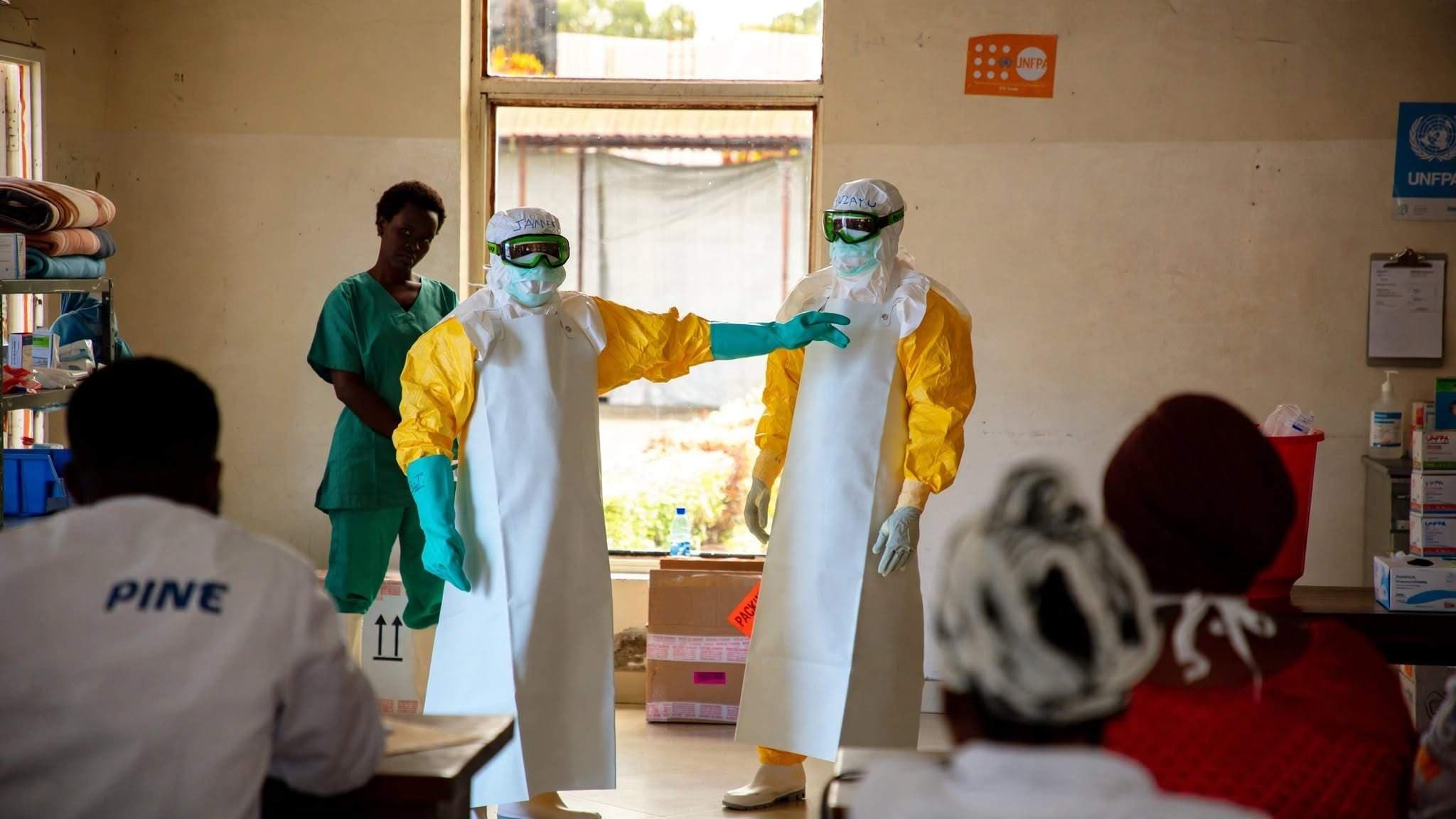
Imagine the singing. After months of fear, gloves, and isolation wards, medics in full PPE breaking into dance because — for the first time since May — their ward is empty. That’s exactly what happened in Mongbwalu.
Medical staff at the Médecins Sans Frontières-run clinic in Mongbwalu, Ituri province, were joined by local residents to celebrate the discharge of the last confirmed Ebola patients from their treatment centre.
It’s a tiny, beautiful win in a very big, very scary outbreak.
Let’s be honest — Ebola numbers can feel numbing. But behind each discharge is someone like Victoire, who spent 23 days in treatment in Mongbwalu before walking out with his wife Kasoki.
For staff like Phoebe Zueya Yonkeu, who manages mental health activities at the Mongbwalu centre, the work doesn’t stop at discharge. Survivors face stigma, trauma, and the sheer shock of having come close to death. That moment of song and dance isn’t just theatre — it’s release.
And Why The Celebration is Bittersweet
Here’s the sobering bit. While Mongbwalu celebrated, the outbreak as a whole has just crossed a grim milestone.
On Tuesday, health authorities said the outbreak had passed more than 10,000 confirmed cases. Official figures put it at 10,060 cases and 4,887 deaths since May — making it the country’s largest and deadliest Ebola epidemic. More recent WHO data as of 28 October puts it at 10,193 confirmed cases and 4,960 deaths.
More than 2,600 people have recovered, but with almost 5,000 deaths, the fatality rate is hovering close to 50 percent. In Ituri alone, 7,040 cases and 3,271 deaths have been recorded. North Kivu follows with 2,146 cases and has the highest provincial fatality rate at 55.9%.
And it’s no longer just DRC. Earlier this month, nine cases were confirmed in Kenya and one in Nigeria, with WHO warning Africa faces a “complex” task to contain an outbreak now spanning the east, west and centre of the continent.
Why This Outbreak Is Different:
This isn’t the Ebola you might remember from 2014-2016.
1. The strain: This is the Bundibugyo strain of Ebola, not the Zaire strain. That matters hugely. The licensed vaccines we have (like Ervebo) target Zaire. There is currently no approved treatment or vaccine for Bundibugyo.
2. The scale: This is officially DRC’s 17th Ebola outbreak, but it is now the second-largest Ebola outbreak ever recorded globally, spreading substantially faster than previous outbreaks.
3. The spread: By mid-October it had reached eight provinces — Ituri, North Kivu, South Kivu, Haut-Uélé, Tshopo, Bas-Uélé, Sud Ubangi and North Ubangi — and 60 health zones.
Historical perspective: DRC has lived with Ebola since 1976, when the virus was first discovered near the Ebola River. Most previous outbreaks were contained to remote villages. This one is urban, mobile, and happening in conflict-affected provinces where trust in health workers is fragile.
Why It Matters
A empty ward in Mongbwalu matters because it proves containment is possible — even without a vaccine. It shows that classic public health measures, community engagement, and dedicated MSF centres in Bunia, Mongbwalu, Komanda, Goma, Butembo and beyond can work.
But it also matters because the virus is exploiting gaps. No vaccine means every case must be found, isolated and cared for manually. And with cross-border cases, the risk of a wider regional epidemic is real.
Next Steps — What Happens Now?
1. Trial hope: On 23 October, DRC launched the TUMAINI Phase 2/3 trial in Bunia, Ituri — the first ever vaccine trial specifically for the Bundibugyo strain. CEPI and WHO are backing it, testing new candidates including remdesivir and antibody compounds first trialled in July.
2. Scale-up, not stand-down: MSF and Congolese authorities say the response needs urgent scale-up, with more than 15 isolation units and new treatment centres being prepared across affected provinces.
3. Community is key: Survivors’ clinics, mental health support, and tackling stigma will determine whether people come forward early — which is everything when fatality is near 50%.
4. Watch the borders: Enhanced surveillance in Kenya, Nigeria, Uganda and beyond remains critical.
For now, Mongbwalu gets to breathe. As cbinewstv.com notes, in a year of heavy headlines, a corridor with no patients and a chorus of singing medics is worth holding onto.
#Ebola #DRCongo #Ituri #Mongbwalu #MSF #Bundibugyo #AfricaHealth #PublicHealth #WHO #CBINewsTV #EbolaOutbreak2026 #HumanAngle