


Libya to Lagos: NEMA Receives 180 Nigerian Returnees
Last update: October 28, 2026
Disclaimer: This website may contain affiliate links, which means we may earn a commission if you click on the link and make a purchase. We only recommend products or services that we personally use and believe will add value to our readers. Your support is appreciated!
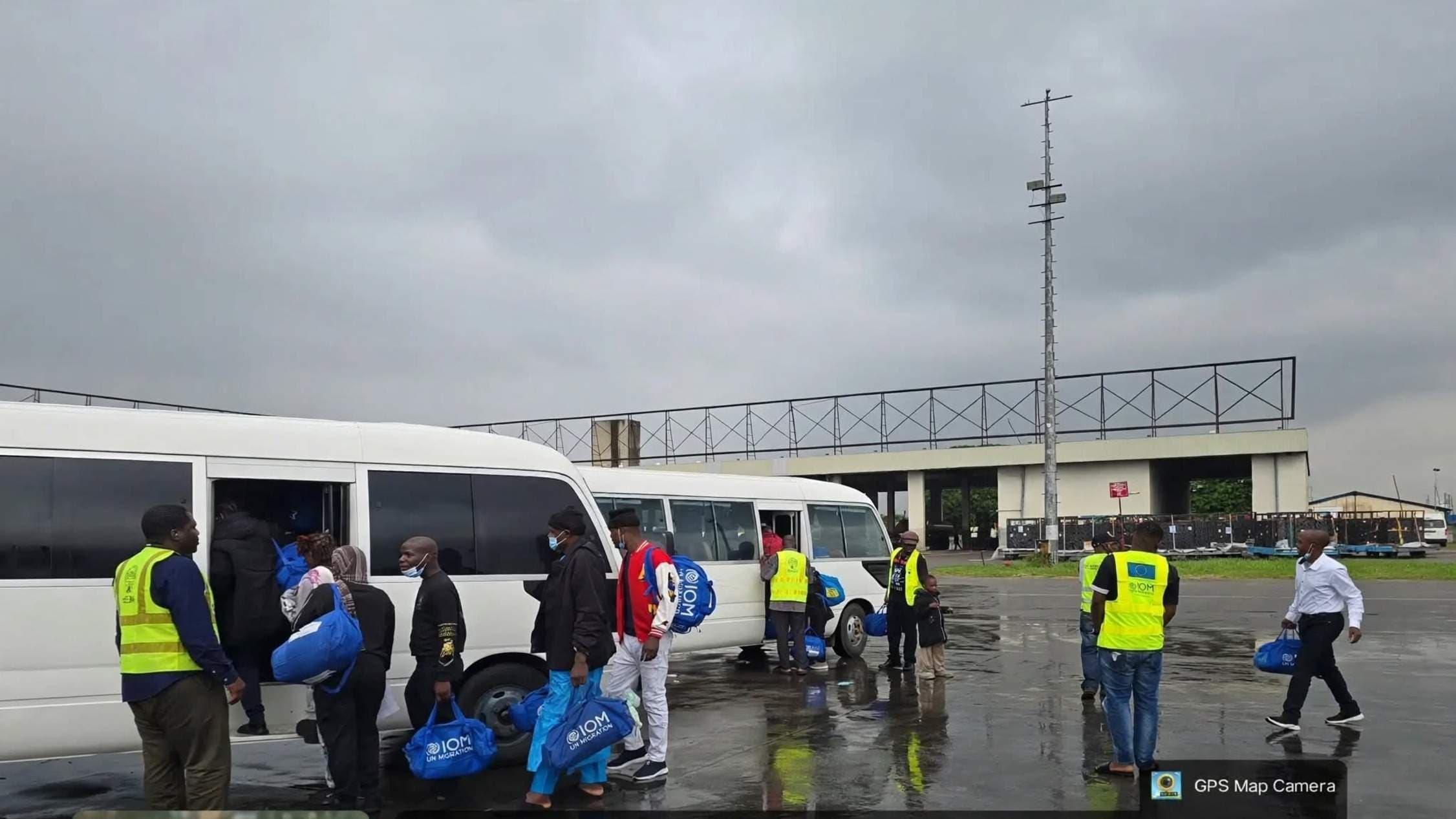
180 Nigerians Return From Libya: NEMA Receives Stranded Men, Women and Children at Lagos Airport
Another Flight Home, Another Second Chance
It is a scene Lagos has seen many times, but it never gets old. At 4:20 p.m. on Tuesday, 27 October 2026, a chartered Air Buraq flight touched down at the Cargo Terminal of the Murtala Muhammed International Airport, Ikeja. On board were not tourists or business travellers, but 180 Nigerians — tired, relieved, and finally home after months, sometimes years, stranded in Libya.
According to cbinewstv.com, the return was coordinated by the National Emergency Management Agency (NEMA) Lagos Operations Office.
On arrival, officers of the Nigeria Immigration Service (NIS) carried out biometric registration and documentation. NEMA and partners then provided immediate humanitarian assistance — food, potable water, medical screening, ambulance services, luggage handling, logistical support and counselling.
More Than Just Numbers
Behind that figure — 180 — are real human stories. Think about the 11 infants on that flight. Eight baby girls and three baby boys born into uncertainty in a foreign desert. Think about the young women who left in search of greener pastures only to end up in trafficking networks in Sebha, a notorious transit hub in southern Libya.
For many, Libya was never meant to be the destination. It was supposed to be a stopover on the perilous route to Europe across the Mediterranean. Instead, it became a trap of detention centres, exploitation and shattered dreams.
This flight is their reset button.
Why Libya Keeps Coming up?
This is not a new story. Since 2017, when IOM’s AVRR programme began in earnest after global outrage over slave markets in Libya, Nigeria has been one of the biggest beneficiaries.
Data shows the scale is staggering:
* Approximately 65,700 Nigerians have been assisted to return home from Libya and other transit countries since 2017.
* About 7,625 Nigerians have returned through the programme in 2026 alone, according to IOM.
* Repatriation flights now arrive almost weekly in Lagos and Kano, with some returnees also coming in through commercial flights into Abuja.
The Libya route boomed after the fall of Muammar Gaddafi in 2011, which left the country with porous borders and competing militias. For thousands of Nigerians from Edo, Delta, Lagos, Ogun and Kano states, it became the go-to irregular path, fuelled by traffickers promising jobs in Italy.
Why It Matters: Beyond The Airport Tarmac
Why should you care? Because every returnee is a test of our reintegration system. If they are not properly supported with skills, psychosocial counselling and start-up grants, the risk of re-migration is huge. Research by IOM shows that without sustainable reintegration, up to 30% of returnees consider embarking on the dangerous journey again.
It also matters for public health, security and child welfare. When you have 26 children and 11 infants in one batch, you are looking at the need for child protection services, immunisation, and family reunification — not just a welcome address.
What is Assisted Voluntary Return?
AVRR is not deportation. It is a lifeline.
It is for migrants who are stranded, in detention, or facing exploitation and who *choose* to return home. IOM, funded largely by the European Union, charters flights, provides travel documents, and works with the Federal Government to offer reintegration support like business training and cash grants once they are home. NEMA, NCFRMI, NIS, DSS, Port Health and other agencies handle the reception in Nigeria.
What’s Next: The Road Home After Landing
The reception at the airport is just day one.
1. Documentation & Profiling: NIS completes biometric capture and profiling.
2. Medical & Psychosocial Support: Immediate screening, with referrals for those who need hospital care or trauma counselling.
3. Reintegration: Returnees are expected to be linked to state-level referral systems and IOM reintegration packages — vocational skills, business start-up support and family tracing for unaccompanied children.
4. Sensitisation: Agencies are expected to intensify campaigns in high-risk communities to warn young Nigerians about irregular migration.
As cbinewstv.com learnt, relevant government agencies and partners worked together to ensure the arrival was safe and dignified. The real work, however, starts now — helping these 180 Nigerians truly feel at home again.
#NEMA #NigeriansInLibya #IOMNigeria #AVRR #LibyaReturnees #MurtalaMuhammedAirport #IrregularMigration #HumanTrafficking #CBINewsTV #NigeriaNews #LagosNews #Reintegration #Japa #MigrationCrisis