


Kenya Ebola Outbreak: Eighth Case Confirmed as DRC's Deadly Bundibugyo Strain Spreads
Last update: October 19, 2026
Disclaimer: This website may contain affiliate links, which means we may earn a commission if you click on the link and make a purchase. We only recommend products or services that we personally use and believe will add value to our readers. Your support is appreciated!
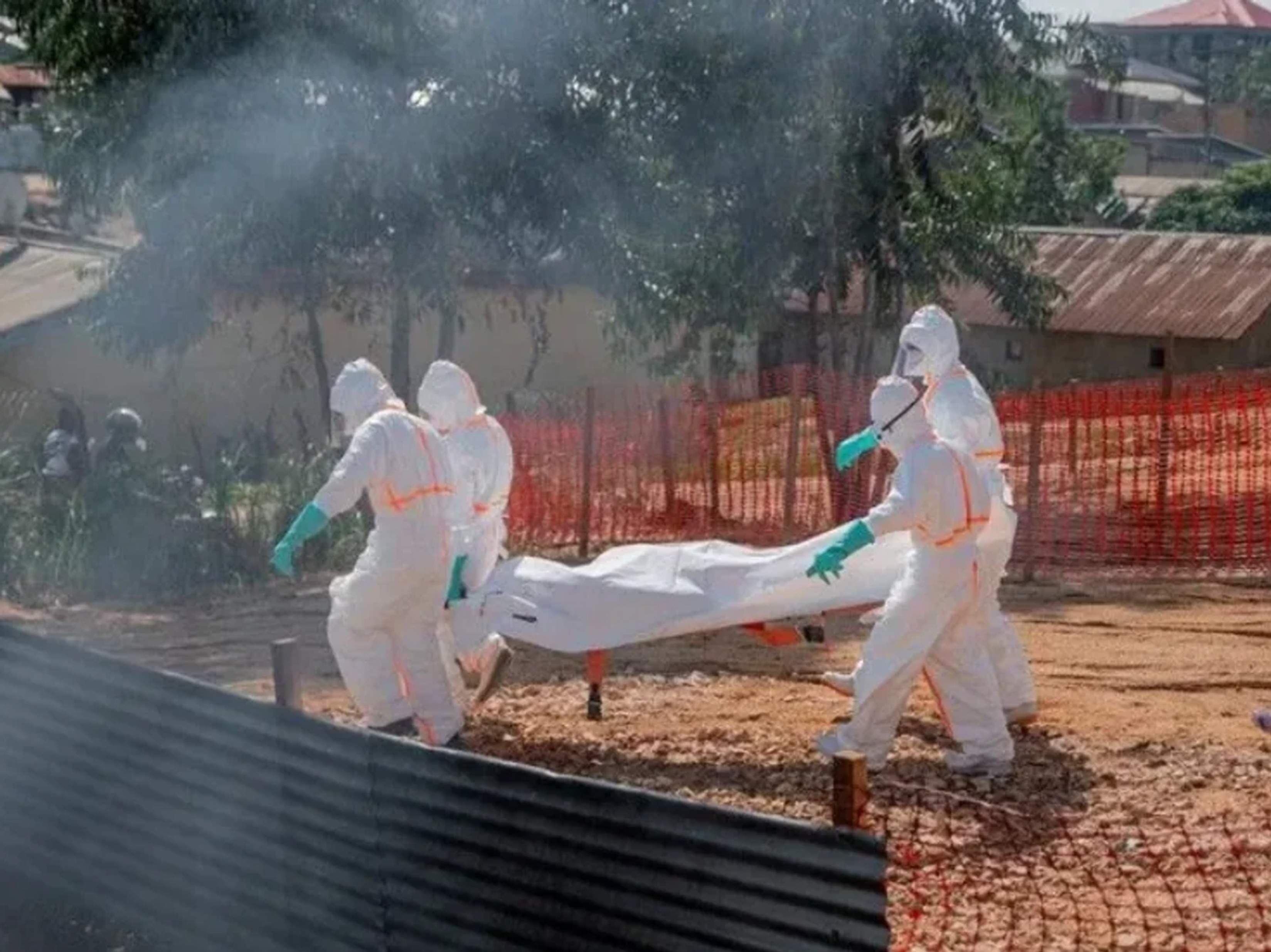
It's spreading faster than authorities can trace it. Kenya just confirmed its eighth Ebola case, and it's a stark reminder that this isn't just Congo's problem anymore.
Kenya's Ebola tally has hit eight, reports cbinews.tv.
As confirmed by Health Director-General Patrick Amoth on Sunday, the latest patient is a 49-year-old hospital attendant — the man who cleaned utensils and linens for Kenya's first Ebola patient who died in Nairobi on October 5th.
The human angle here is gut-wrenching. He wasn't a traveller from the outbreak zone. He was a frontline worker doing the most basic care job, exposed on the ward, in quarantine since October 9th, and only developed fever, headache and muscle pain on Saturday before testing positive on Sunday.
Kenya says 38 contacts were tested that day; one turned positive. So far, health officials say there is no community transmission yet — all cases are linked.
This all started in Ituri Province, DRC, in mid-May 2026. It's the Bundibugyo strain, rarer than Zaire, but nasty. There is still no approved vaccine for it.
And the numbers are staggering. As of mid-October, the CDC puts it at over 9,235 confirmed cases and 4,444 deaths, making it the second-largest Ebola outbreak ever recorded and the largest and deadliest in DRC history.
The virus has now reached an eighth province — North Ubangi, bordering the Central African Republic — with two confirmed cases, including one death. It has already jumped borders: Kenya's first-ever imported Bundibugyo case was the man who travelled from DRC via Uganda, and Uganda had 20 cases earlier this year.
The casee fatality rate is hovering around 48.3%.
EXPLAINER: What is Bundibugyo?
Unlike the more famous Zaire strain, Bundibugyo was first identified in 2007 in Uganda. Same Ebola family — fever, bleeding, organ failure — but different genetically, which is why existing Zaire vaccines don't work well. WHO is now preparing a clinical trial specifically for it.
Kenya has ramped up surveillance at borders and hospitals, with contact tracing and quarantine at the centre of containment. In DRC, insecurity, displacement and 65 affected health zones are making tracing incredibly difficult.
Historical context: This is DRC's 17th Ebola outbreak since the disease was first found near the Ebola River in 1976. But the speed is new — health officials say this one is spreading substantially faster than previous outbreaks.
Bottom line: Eight cases in Kenya may sound small, but with a virus this lethal and no jab, every linked case is a race against time.
#EbolaOutbreak #KenyaHealth #DRC #Bundibugyo #PublicHealth #AfricaNews #CBINewsTV #BreakingNews
Written by Babatimilehin kayode
Posted by Babatimilehin kayode · Last updated: October 19, 2026