

Iran Sanctions Latest: US Punishes 26 Targets for Dollar Access
Last update: October 16, 2026
Disclaimer: This website may contain affiliate links, which means we may earn a commission if you click on the link and make a purchase. We only recommend products or services that we personally use and believe will add value to our readers. Your support is appreciated!
Another day, another sanctions list from Washington. But this one has got Havana fuming, Baghdad on edge, and Tehran feeling the squeeze even tighter.
So, what’s really going on?
The United States has rolled out a brand new round of Iran-related sanctions. According to the US Department of the Treasury’s Office of Foreign Assets Control (OFAC), 16 individuals and 11 entities were added to its Specially Designated Nationals (SDN) List on Thursday, 15 October.
Treasury officials say the move is part of its ongoing “Operation Economic Outcast” — a campaign to choke off Iran’s shadow banking, oil intermediaries and proxy financing channels. The message from Washington is blunt: if you do business with Iran, you’ll face significant consequences.
This isn’t just high finance. For Cuba, this hits differently.
Cuban Foreign Minister Bruno Rodriguez jumped on X within hours, calling the action “aggressive” and defending BICSA as “an absolutely legitimate bank whose transactions in Cuba and around the world are also absolutely legitimate.”
Think about it — Cuba is already under a decades-old US embargo, battling blackouts, food shortages and a currency crisis. Having one of its international trade banks blacklisted because of a link to an Iranian bank from 2022 feels, to many Cubans, like being punished for someone else’s fight.
For ordinary Iraqis too, sanctions on a major private bank like the International Development Bank could mean delays in remittances, higher costs for imports, and more scrutiny every time they send dollars abroad.
Let’s rewind.
US sanctions on Iran date back to 1979 after the hostage crisis, but the modern architecture really kicked off in 2010-2012 when Washington and Brussels targeted Iran’s central bank and oil exports over its nuclear programme. The 2015 JCPOA nuclear deal lifted many of them, only for President Trump to pull the US out in 2018 and reimpose “maximum pressure.”
Karafarin Bank, the Iranian lender at the centre of the Cuba link, was sanctioned in 2020 under that campaign for allegedly financing Iran’s Islamic Revolutionary Guard Corps (IRGC).
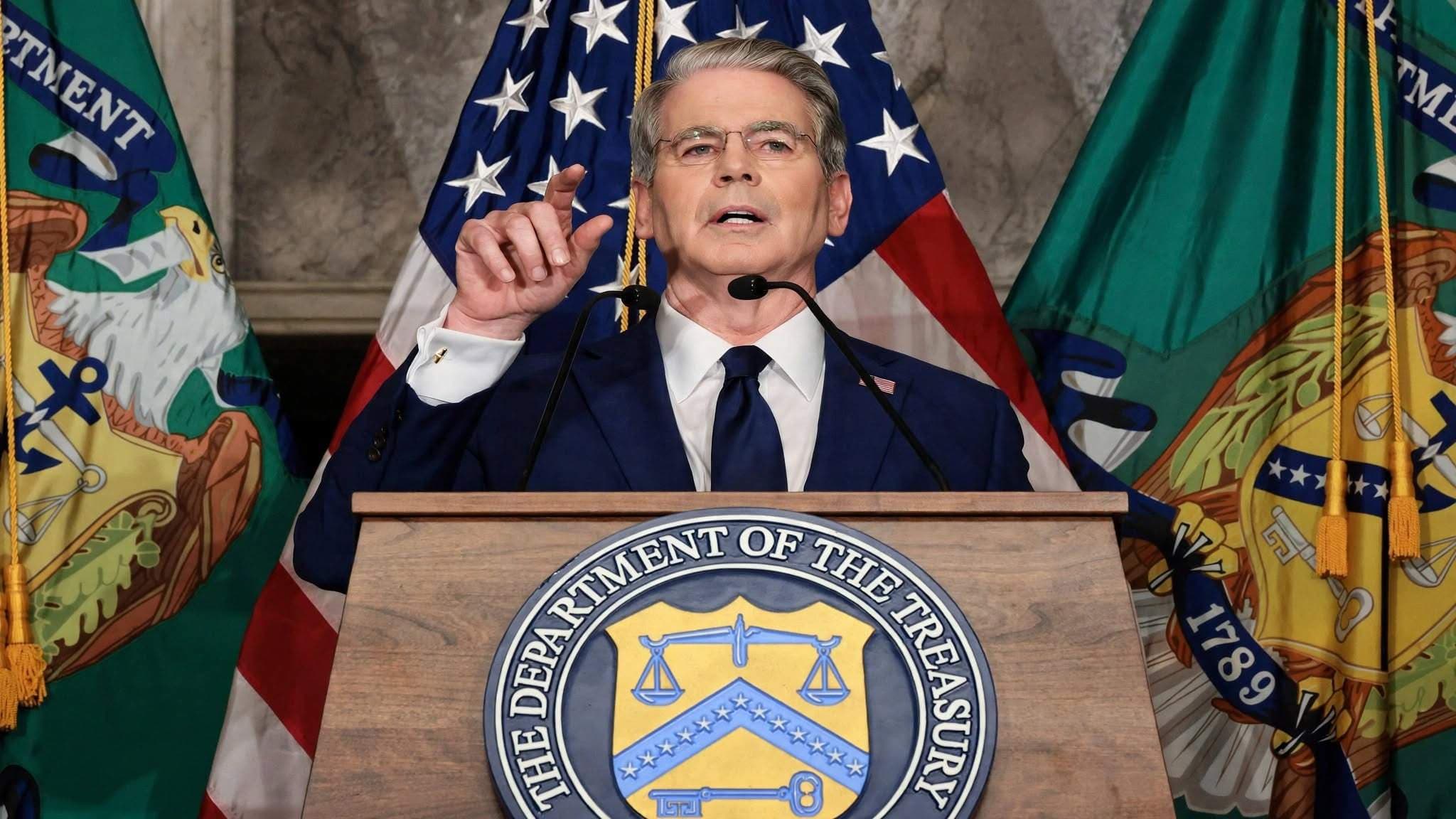
Fast forward to August this year, and the Trump administration had already sanctioned nearly 60 Iran-linked entities in a single sweep. This latest round is a continuation — but with a twist: it’s explicitly internationalising the pressure. Treasury Secretary Scott Bessent has vowed to keep going until “Iran’s financial lifelines are severed.”
Data point to note: According to the Treasury, Iran’s shadow banking networks move hundreds of millions of dollars through front companies in places like Hong Kong and Dubai to pay for military kit and support proxy groups like Hezbollah and the Houthis. That’s what “Operation Economic Outcast” is trying to dismantle.
Why it Matters?
Why should you care in Lagos, London or Louisville?
1. Global oil prices. When Iran’s trading companies get hit, its oil has to move through murkier, costlier channels. That cost eventually shows up at the pump.
2. De-dollarisation debate. Every time the US weaponises dollar access, countries like Cuba, Iran, Russia and even some US allies start asking: should we find an alternative to the dollar? This fuels the BRICS push for non-dollar trade.
3. Humanitarian ripple effects. Sanctions are meant to be surgical, but banks get nervous. When one Iraqi bank is sanctioned, other Iraqi banks over-comply and freeze legitimate transactions for fear of being next.
So, in plain English, how does this work?
Iran is locked out of SWIFT and the global banking system. To get dollars and pay for things, it uses a network of smaller banks and exchange houses that aren’t directly in Tehran’s name — what Treasury calls “shadow banking.”
Cuba’s BICSA allegedly helped process payments for Karafarin Bank. Iraq’s Development Bank allegedly gave Iran access to US dollars it wouldn’t otherwise have. By sanctioning them, the US is sending a warning shot: we can see the workaround, and we’ll shut it down.
What Next?
For the sanctioned entities: They have 30 days to wind down some transactions if they have a licence, but essentially they’re now financial pariahs. They can appeal to OFAC, but delisting is rare and takes years.
For Cuba: Havana will likely raise this at the UN General Assembly — it always does — and use it as proof of Washington’s “criminal blockade.”
For Iran: Expect more evasion. Tehran has gotten very good at moving money through Dubai gold traders, Turkish middlemen and crypto. Treasury knows this, which is why officials say more tranches are coming.
For businesses: If you’re a bank, fintech, or trader in the Middle East, compliance teams will be burning the midnight oil tonight. The SDN list update means you need to screen clients again — immediately.
This story is developing. We’ll be watching OFAC’s updates and reactions from Tehran, Baghdad and Havana.
Reporting by cbinewstv.com — your window to world politics without the waffle.
#USIranSanctions #OFAC #BICSA #Cuba #Iraq #Iran #Treasury #EconomicOutcast #TrumpAdministration #KarafarinBank #SanctionsExplained #GlobalEconomy #cbinewstv