


Guinea-Bissau Scraps US-Funded Hepatitis B Vaccine Trial
Last update: November 6, 2026
Disclaimer: This website may contain affiliate links, which means we may earn a commission if you click on the link and make a purchase. We only recommend products or services that we personally use and believe will add value to our readers. Your support is appreciated!
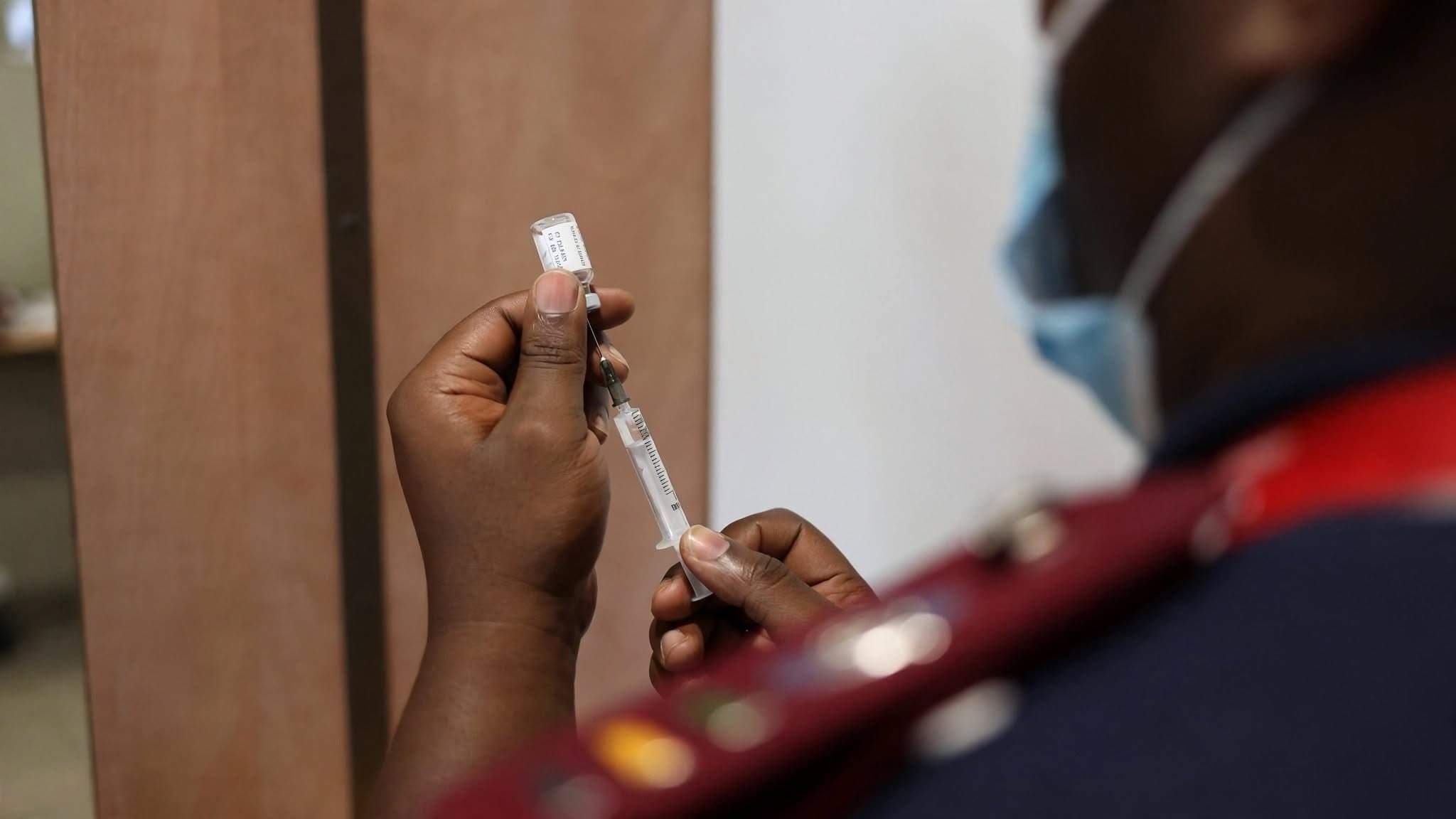
Imagine being told your newborn might not get a life-saving vaccine — not because there isn’t one, but because they were picked for the control group. That’s exactly what nearly happened in Guinea-Bissau. And after weeks of uproar, the government has finally pulled the plug.
So, here’s what went down.
After weeks of back-and-forth, Guinea-Bissau has cancelled a proposed hepatitis B vaccine trial involving newborn babies. The decision came after fierce international criticism that the study was unethical and potentially exploitative.
The trial was funded by the US, under Health Secretary Robert F. Kennedy Jr. — a man with a long, well-documented record of expressing scepticism about vaccines.
And the plan itself? It was stark. Around 14,000 newborns were set to take part. Half would receive the hepatitis B vaccine at birth. The other half would be denied it — despite clear guidance from the World Health Organization (WHO).
Let that sink in for a second.
This isn’t just a policy story. It’s about mums in Bissau holding their babies minutes after birth, trusting that the health system will protect them.
Hepatitis B is passed most commonly from mother to baby during childbirth. Babies are at the greatest risk of becoming chronically infected. There is no cure. Left untreated, it can lead to long-term liver damage, cirrhosis, and liver cancer decades later.
That’s why the WHO recommends every baby gets the hepatitis B vaccine at birth, plus a booster dose. It’s one of the cheapest, safest, and most effective ways to stop a lifetime of illness before it even starts.
Health experts warned that withholding the jab could have exposed babies to infection in a country where nearly one in five people already lives with hepatitis B. In a place with limited access to liver specialists, cancer treatment, and long-term care, prevention isn’t just important — it’s everything.
Why this hit a nerve:
Guinea-Bissau has a complicated history with medical research. It’s one of the world’s poorest countries, with a fragile health system still recovering from decades of political instability, coups, and underfunding since independence from Portugal in 1974.
For years, international researchers have carried out studies there — often with good intentions but sometimes leaving local communities feeling like test subjects rather than partners.
That history matters. The government had already prohibited vaccine trials involving children. Yet this trial was still proposed.
Police have since seized a batch of vaccines from the research centre at the centre of the controversy — a sign of just how seriously authorities are now taking the backlash.
And this row didn’t happen in a vacuum. Globally, trust in vaccines has been shaken in recent years by misinformation, political polarisation, and high-profile sceptics in positions of power. When a trial like this is proposed in a low-income African country, many people immediately ask: Would this ever be allowed in the US or Europe?
That question is at the heart of why so many ethicists were furious.
Why it matters
1. For babies in Guinea-Bissau: Cancelling the trial means newborns won’t be deliberately left unprotected.
2. For global health ethics: It draws a line — you can’t test what we already know works by withholding it from vulnerable children.
3. For trust: If communities feel exploited by research, they stop trusting all vaccines. That puts even more lives at risk.
4. For US foreign health policy: It raises serious questions about what kind of research the US is funding abroad under its current leadership.
What was the trial actually testing?
In simple terms: researchers wanted to compare babies who got the hepatitis B vaccine at birth with babies who didn’t.
Normally, vaccine trials test a new vaccine against an old one, or against a placebo when no proven treatment exists.
Here, a proven, WHO-recommended vaccine already exists. So, ethicists argued there was no justification for a “no vaccine” group. It wasn’t testing something unknown — it was withholding something known to save lives.
That’s why critics called it unethical. It wasn’t about science. It was about who gets protection, and who doesn’t.
What happens next?
- The trial is off — for now. The government has cancelled it, but campaigners want a formal, permanent ban confirmed in writing.
- Investigation: Expect more scrutiny of the research centre involved, how the vaccines got there, and who approved what.
- Diplomatic fallout: Watch for how the US Department of Health responds, and whether other US-funded studies in West Africa face review.
- Local health focus: Health advocates in Guinea-Bissau are pushing for the focus to shift back to what actually works — making sure every newborn gets the birth-dose vaccine, on time, every time.
At the end of the day, this story is simple. A country stood up and said: our babies are not an experiment.
And that, frankly, should never have been up for debate.
Source: cbinewstv.com
#GuineaBissau #HepatitisB #VaccineTrial #ChildHealth #GlobalHealth #WHO #HealthEthics #WestAfrica #NewbornHealth #CBINewsTV