


Ghana in Talks With Russia for First Nuclear Power Plant
Last update: October 31, 2026
Disclaimer: This website may contain affiliate links, which means we may earn a commission if you click on the link and make a purchase. We only recommend products or services that we personally use and believe will add value to our readers. Your support is appreciated!
Imagine Ghana — a country that has battled years of ‘dumsor’ blackouts — flipping the switch on its very own nuclear power station. That future just got a lot closer, and the handshake came from Moscow.
What’s Actually Happening?
In a move that has got energy watchers talking, Ghana has kicked off formal discussions with Russia’s state nuclear giant, Rosatom, to build the country’s first-ever nuclear power plant.
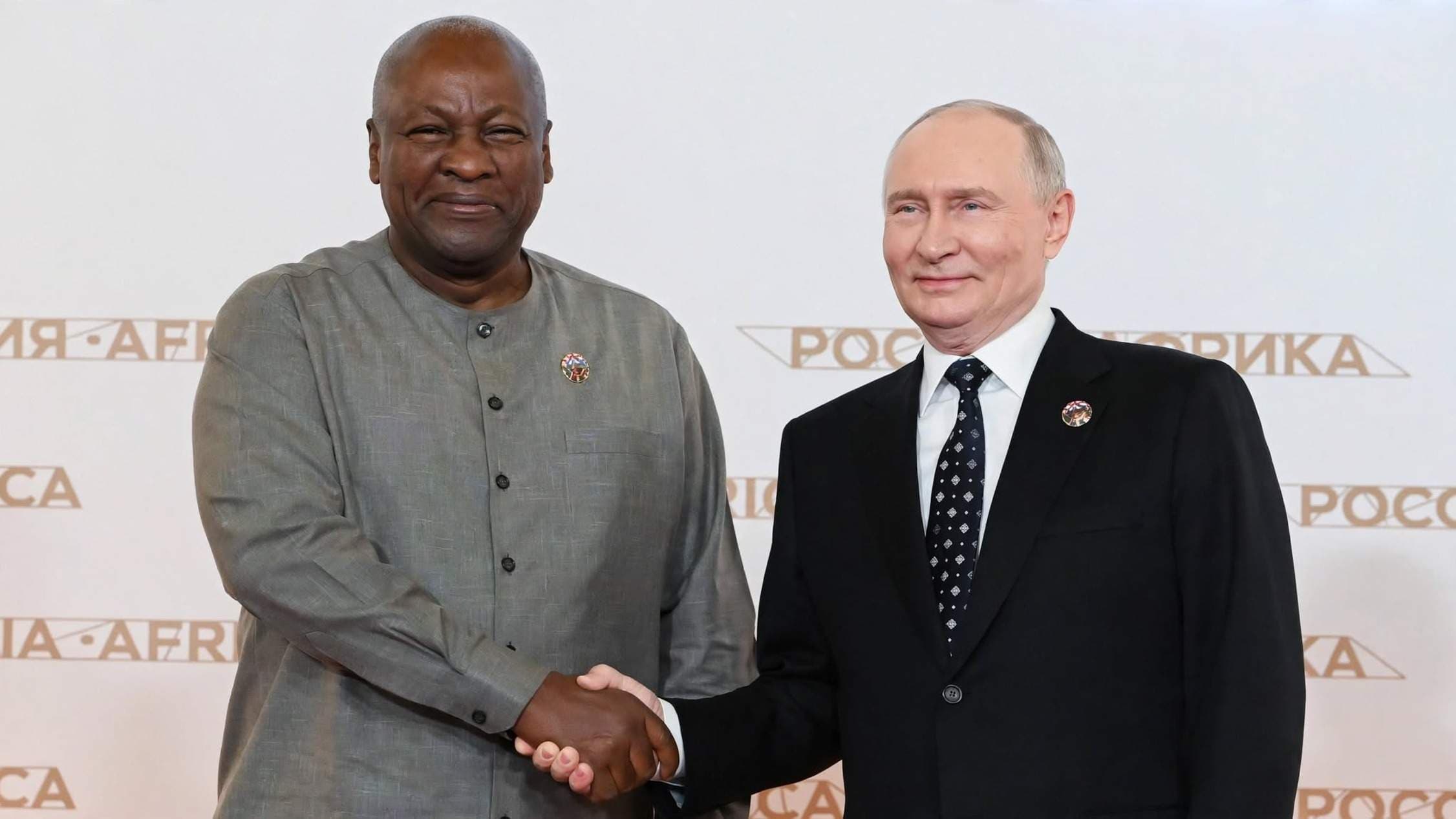
The talks came right after this week’s Russia-Africa summit in Moscow. On the sidelines, Russian President Vladimir Putin sat down for bilateral talks with Ghana’s President John Dramani Mahama.
Ghanaian media reports, picked up by cbinewstv.com, say Accra initiated the conversation with Rosatom. President Mahama told the summit his pitch was simple: Ghana needs a diversified, secure energy mix to keep the lights on and power its industries. Nuclear, he argued, is part of that puzzle.
And it wasn’t just about reactors. On the same day, Russian metals behemoth Rusal — one of the world’s biggest aluminium producers — signed a major deal with the Ghana Integrated Aluminium Development Corporation (GIADEC) to mine bauxite in the Ashanti Region.
The numbers are eye-watering:
* Deposit size: Over 100 million tonnes at the Nyinahin deposit in southwestern Ghana
* Mining target: Up to 5 million tonnes per year
* Phase 2: A new alumina refinery capable of producing 1.2 million tonnes annually
* Ownership: Two new joint ventures — Nyinahin Bauxite and Ghana Alumina Company — with Rusal taking a majority stake in both
Why Should You Care?
For the average Ghanaian family or small business owner in Kumasi or Accra, this is not just geopolitics.
Ghana’s power demand is growing at roughly 10% a year. Despite being rich in gold, cocoa, and oil, the country still leans heavily on hydroelectric dams (which suffer when rainfall drops) and expensive gas-fired plants. When the Akosombo Dam runs low, everyone feels it.
A stable, 24/7 baseload source like nuclear could mean fewer blackouts for cold stores, welding shops, schools, and hospitals. And the bauxite deal? Ghana has sat on vast bauxite reserves for decades without fully processing them locally. Turning bauxite into alumina and then aluminium at home means jobs, rail lines, and real industrial value instead of just shipping raw rocks abroad.
Moscow’s romance with Africa goes way back to the Soviet era, when the USSR backed independence movements and built universities, dams, and military ties across the continent. After a quiet period in the 90s, Russia has been back with a vengeance — pitching itself as an alternative to Western influence.
Rosatom is its favourite calling card. The company already has nuclear deals or talks with Egypt (where it’s building the $30bn El Dabaa plant), Rwanda, Uganda, Zambia, and South Africa, which has Africa’s only operational nuclear plant at Koeberg, built in the 1980s.
Ghana itself has flirted with nuclear since the 1960s under Kwame Nkrumah, who established the Ghana Atomic Energy Commission in 1963 with Soviet help and even started building a small research reactor. The dream stalled after his overthrow. Successive governments have revived it — in 2008, 2015, and now again — as Ghana aims to become a net energy exporter and meet its target of universal electricity access.
On the geopolitical chessboard, Ghana earlier this month announced it would formally apply to join BRICS — the Brazil, Russia, India, China, South Africa-led bloc pushing for more clout in global institutions. Foreign Minister Samuel Okudzeto Ablakwa said on Wednesday that Russia “strongly supports Ghana’s application.” This all comes as Moscow faces heavy Western sanctions over its war in Ukraine and is actively courting new economic partners.
Wait, Can Ghana Really Run a Nuclear Plant?
Who is Rosatom? Russia’s State Nuclear Energy Corporation, responsible for building and operating all of Russia’s nuclear plants and for exporting reactors to over a dozen countries. It usually offers a “build-own-operate” model — financing, building, supplying fuel, and taking back waste.
Is it safe and feasible? Building a nuclear plant takes 7-10 years and billions of dollars. Ghana would need a robust nuclear regulator, waste management plan, skilled workforce, and to sign up to International Atomic Energy Agency (IAEA) safeguards. Ghana currently generates about 5,300 MW of installed capacity — a typical nuclear reactor would add 1,000-1,200MW, a massive boost.
What about the bauxite? Bauxite is the raw ore for aluminium, essential for everything from drink cans to electric cars. Ghana’s Nyinahin reserves are among the best in West Africa but largely untapped.
Why It Matters:
1. For Energy Security: It could end Ghana’s cycle of power crises and cut reliance on costly imported fuels.
2. For Jobs & Industrialisation: A refinery and nuclear plant mean thousands of direct and indirect jobs and a shot at Ghana’s long-held dream of an integrated aluminium industry.
3. For Geopolitics: It signals a clear pivot. Ghana, long seen as a staunch Western ally, is diversifying its friends. A nuclear deal ties a country to Russia for 60-80 years — the lifespan of a reactor.
What’s Next?
Don’t expect a reactor next year. Here’s the roadmap to watch:
1. Feasibility & IAEA Review: Ghana and Rosatom will need to complete site selection, safety and environmental studies, and get IAEA approval.
2. Financing Deal: Who pays? Rosatom usually offers state loans. The terms will be crucial and politically sensitive.
3. Parliamentary Scrutiny: Both the nuclear deal and the Rusal joint ventures will need to go before Ghana’s Parliament, where debates over local content, environmental impact in Ashanti, and debt sustainability will be fierce.
4. BRICS Application: Ghana’s formal BRICS bid will be tested — will it get backing beyond Russia?
5. Local Consultation: Communities around Nyinahin will be watching for compensation, jobs, and environmental safeguards.
One thing is certain: Ghana is no longer just talking about energy diversification — it’s negotiating it on the world’s biggest stages.
Attribution: cbinewstv.com
#Ghana #Russia #NuclearPower #Rosatom #Rusal #Bauxite #GhanaEnergy #Africa #BRICS #JohnMahama #VladimirPutin #cbinewstv