


Five States hit by Power Outages Amid gas Shortage
Last update: November 6, 2026
Disclaimer: This website may contain affiliate links, which means we may earn a commission if you click on the link and make a purchase. We only recommend products or services that we personally use and believe will add value to our readers. Your support is appreciated!
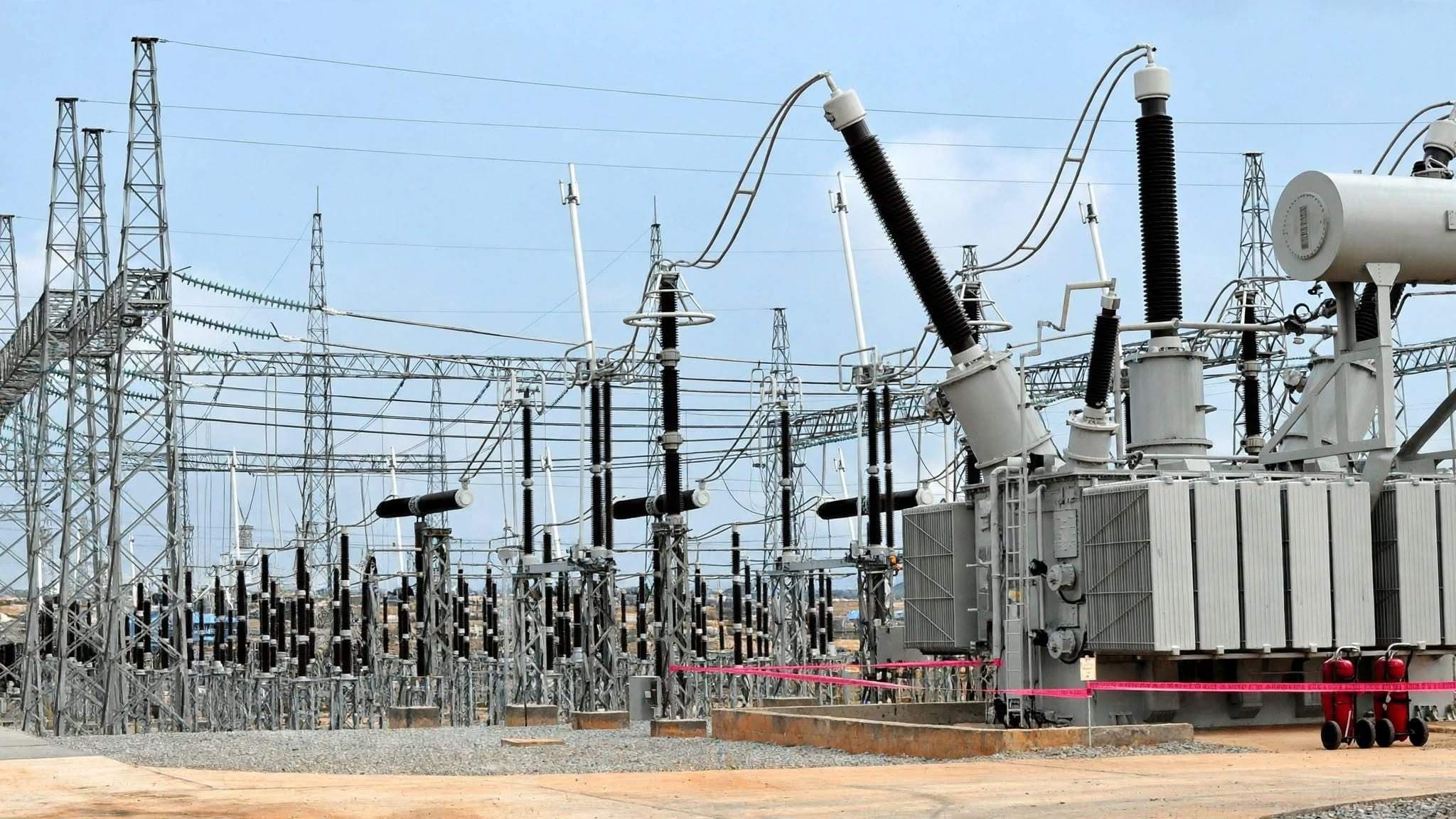
You finally started enjoying steadier light, then boom — darkness again. If your fan stopped spinning this week in Lagos, Abuja, Ogun, Kwara or Oyo, you are not alone. And the Minister of Power has finally spoken.
Let’s be honest, Nigerians know this story too well.
When supply was beginning to look up, the lights started tripping again. Complaints have flooded in from households and businesses about fewer hours of power, and on Thursday, Minister of Power Joseph Tegbe acknowledged it.
In a statement issued by his Special Adviser on Media and Publicity, Adeola Adelabu, Tegbe said the disruptions in Lagos, Abuja, Ogun, Kwara and Oyo were not caused by a major collapse of the national grid.
So, what caused it then?
According to him: maintenance wahala, operational issues across the value chain, gas shortage at thermal stations, and reduced output from hydropower plants.
That lines up with what the Nigerian Independent System Operator (NISO) has been saying too — inadequate gas supply and lower water inflows into hydro reservoirs are choking generation right now.
Every hour without light counts
This is not just about statistics. It is about the small business owner in Ibadan whose frozen goods are melting. The student in Ilorin trying to charge a laptop for an assignment. The mum in Lagos trying to pump water and cook before the kids get home.
Tegbe himself admitted it:
“The Ministry acknowledges the inconvenience this has caused households, businesses and public institutions, and understands the frustration of Nigerians who had begun to see the benefits of steadier supply. We recognise what every hour without power means for individuals, families and businesses, and we do not take it lightly.”
That frustration is real, because many people had started noticing an improvement before this latest dip.
How power was shared on Thursday
Here is where it gets interesting. At 4:41 pm on Thursday, 5 November 2026, the 11 distribution companies (DisCos) shared a combined allocation of 2,926 megawatts.
Let’s break it down:
- Abuja DisCo: 633MW — about 21.6% of the total, the highest
- Ibadan DisCo: 391MW
- Port Harcourt DisCo: 320MW
- Benin DisCo: 264MW
- Eko DisCo: 256MW
- Enugu DisCo: 253MW
- Ikeja DisCo: 249MW
- Kano DisCo: 173MW
- Kaduna DisCo: 167MW
- Jos DisCo: 146MW
- Yola DisCo: 74MW — the lowest
That means Abuja got more than eight times what Yola got.
These figures are allocations at that specific time, not necessarily what actually reached your socket. Transmission losses, local faults, and load-shedding can still reduce what you get at home.
Why does Nigeria keep having this gas problem?
This is not new. For decades, Nigeria — a country blessed with huge gas reserves — has struggled to get enough gas to its power plants.
Thermal plants generate most of Nigeria’s electricity, but they depend on a steady gas supply through pipelines that are often vandalised, under-maintained, or starved of investment. Add in low water levels at hydro dams like Kainji, Jebba and Shiroro during dry periods, and generation drops fast.
Historically, Nigeria’s grid has hovered around 3,000MW to 5,000MW actually delivered for over 200 million people — far below what countries with similar populations manage. That is why generators, solar panels and inverters have become a normal part of Nigerian life, even though they push up the cost of doing business.
Meanwhile, 44 containers were finally freed from Apapa.
Here is the other big part of the story.
While Tegbe was explaining the outages, he also announced that the Federal Government had facilitated the clearance of 44 containers of electricity equipment from Apapa ports in Lagos.
And get this — more than 300 containers had been stranded there, some since 2014. That is 12 years of equipment just sitting at the port.
Tegbe said the clearance followed a directive from President Bola Tinubu after the last Federal Executive Council meeting, asking the Ministry of Power to work with the Nigeria Customs Service and the Nigerian Ports Authority to sort out outstanding charges.
The first 44 have now been released. Technical experts will inspect what is inside before deployment. Serviceable equipment will go to ongoing projects; unusable items will be disposed of.
This follows a similar recovery by the Niger Delta Power Holding Company (NDPHC) under its Managing Director, Jennifer Adighije, which recovered 110 abandoned containers and 216 packages. That move reportedly saved more than N30bn and helped unlock about 470MW of generation capacity through recovered turbines.
So yes, progress is happening — but slowly.
Why it matters
1. Your pocket: Less grid power means more spending on fuel, diesel and alternative power.
2. Businesses: SMEs, welders, barbers, cold-room operators, hospitals and schools feel it first.
3. Trust: Nigerians had started to believe supply was improving. Another dip risks killing that confidence.
4. The bigger picture: If abandoned equipment from 2014 is only now being cleared, it shows how much infrastructure has been locked away by bureaucracy, port charges and poor coordination.
Who does what in Nigeria’s power sector?
Confused by all the acronyms? Here is a quick cheat sheet:
- Ministry of Power: Sets policy and oversees the sector.
- NISO: Manages the national grid operations and dispatch.
- TCN (Transmission Company of Nigeria): Carries power from generation plants to DisCos via transmission lines.
- GenCos: Generate the power (thermal/gas and hydro).
- DisCos: Deliver power to your house and collect tariffs.
When gas fails, GenCos cannot generate enough. When water is low, hydro cannot generate enough. When that happens, TCN/ NISO have less to share, and DisCos have less to give you.
What happens next?
Tegbe says the government is working with TCN, NISO and the DisCos to fix the constraints, speed up maintenance and keep consumers informed.
What to watch for:
- Restoration timeline: Will supply return to pre-outage levels in Lagos, Abuja, Ogun, Kwara and Oyo this week?
- What is inside the 44 containers? The ministry has not disclosed the contents, condition or deployment timeline yet.
- The remaining 260+ containers: When will they be cleared?
- Gas supply fix: Will gas producers and pipeline operators resolve supply to thermal plants?
- Communication: Will DisCos publish clear load-shedding timetables so people can plan?
For now, if you are in any of the five affected states, keep your power bank charged, and keep an eye on your DisCo’s updates.
We will keep following this story on cbinewstv.com — because when the light goes out, everybody feels it.
#PowerOutage #NigeriaPower #Lagos #Abuja #Oyo #Ogun #Kwara #GasShortage #NISO #TCN #ElectricityNigeria #CBINewsTV #cbiNewsTV #NigeriaNews #EnergyCrisis