



FG Sets up Emergency Committee to Fix Food Crisis and Cut Wheat Imports
Last update: October 21, 2026
Disclaimer: This website may contain affiliate links, which means we may earn a commission if you click on the link and make a purchase. We only recommend products or services that we personally use and believe will add value to our readers. Your support is appreciated!
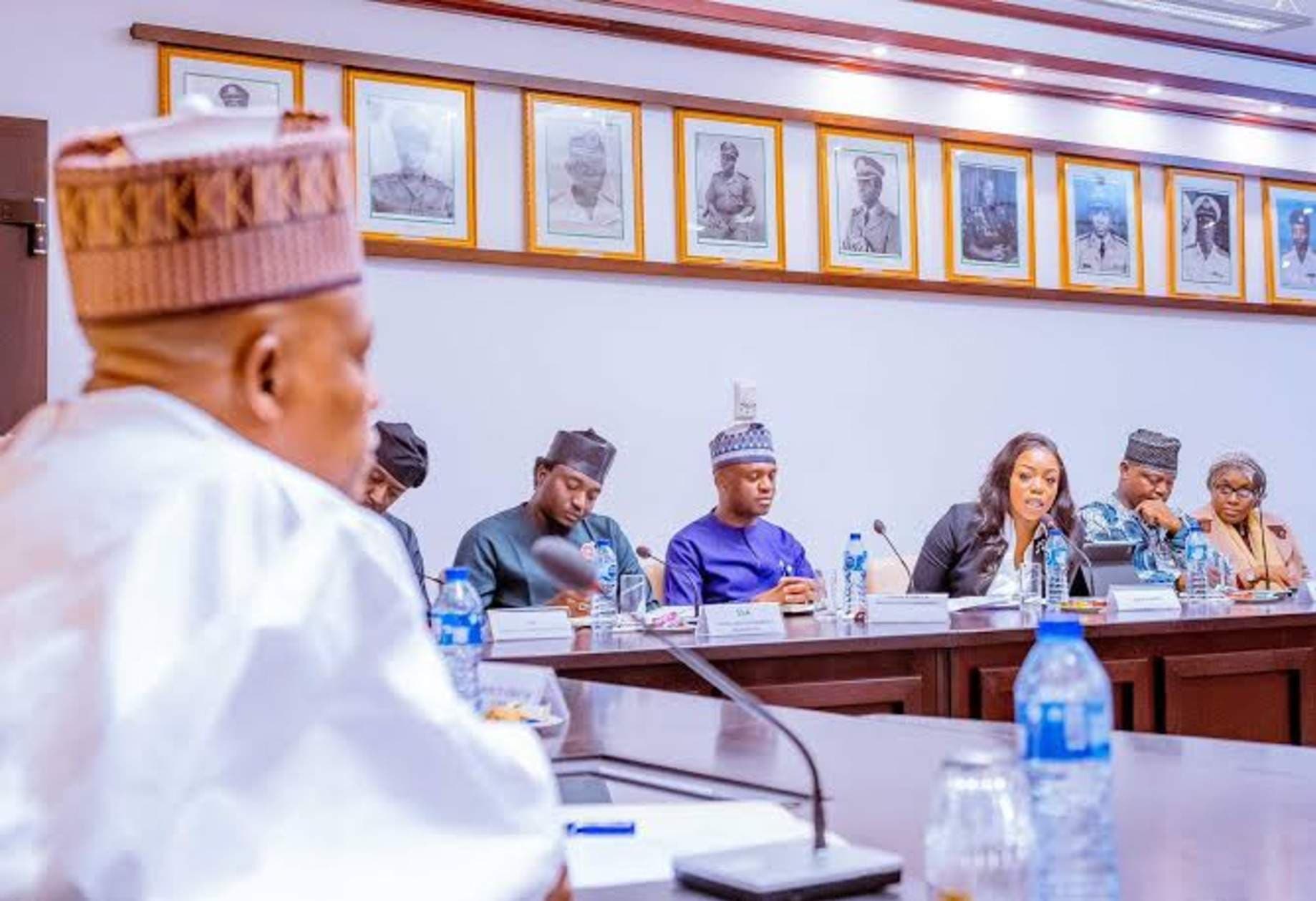
Another committee, you might think? But this one could actually decide what ends up on your plate next year, and how much you pay for it.
The Federal Government has just set up a technical committee to supercharge food production. We’re talking wheat, staple crops, livestock — the lot.
According to cbinews.tv, Vice President Kashim Shettima constituted the committee on Tuesday at the Presidential Villa, Abuja. The brief is simple: stop talking, start coordinating, and produce a real blueprint for fixing our food system.
The announcement was made by Stanley Nkwocha, Senior Special Assistant to the President on Media and Communications.
“Senator Shettima charged members of the committee to cross-pollinate ideas and come up with a blueprint on implementing strategic interventions in the agricultural sector.”
Why should you care? The human angle.
This isn’t just Abuja politics. Nigeria is spending billions importing wheat we can grow here, while smallholder farmers — who feed over 80% of the country — can only farm during the rainy season. Food inflation is still biting hard, despite easing from over 40% last year to around 21% in recent data. For the average family in Kano or Lagos, that means bread, garri and rice are still painfully expensive.
Agriculture Minister Abubakar Kyari said President Tinubu is pushing hard for year-round farming. That means dry-season farming, better irrigation, and getting federal, state and local governments to actually work together.
It’s a heavyweight technical team. Coordinated by Marion Moon, Technical Adviser to the VP on Agriculture, it pulls together the Ministries of Agriculture, Water Resources, and Livestock Development, plus the bosses of Bank of Industry, Bank of Agriculture, NALDA, National Seeds Council, and even NASENI for mechanisation.
Their job:
Audit what’s blocking year-round farming.
Harmonise all the different MDAs and state programmes.
Draft a clear, actionable blueprint for wheat expansion and livestock growth.
We’ve been here before. The Buhari administration’s Anchor Borrowers’ Programme tried to boost local rice and wheat, with mixed results — rice production rose, but wheat import dependence remained over 90%. The Tinubu administration now wants to go beyond loans and fix the structural issues: water, seeds, mechanisation, and coordination.
The technical committee will submit its recommendations to a higher-level committee, which will then go to VP Shettima and finally President Tinubu for approval. If done right, this could mean less wheat imports, more dry-season jobs for farmers, and hopefully, cheaper food by late 2027.
We’ll be watching.
#FoodSecurity #NigeriaAgriculture #WheatProduction #TinubuAdministration #KashimShettima #CostOfLiving #CBInews #NigerianFarmers
Written by Babatimilehin kayode
Posted by Babatimilehin kayode · Last updated: October 21, 2026