


FG, NLC Agree on ₦70,000 Monthly Transport Allowance
Last update: October 28, 2026
Disclaimer: This website may contain affiliate links, which means we may earn a commission if you click on the link and make a purchase. We only recommend products or services that we personally use and believe will add value to our readers. Your support is appreciated!
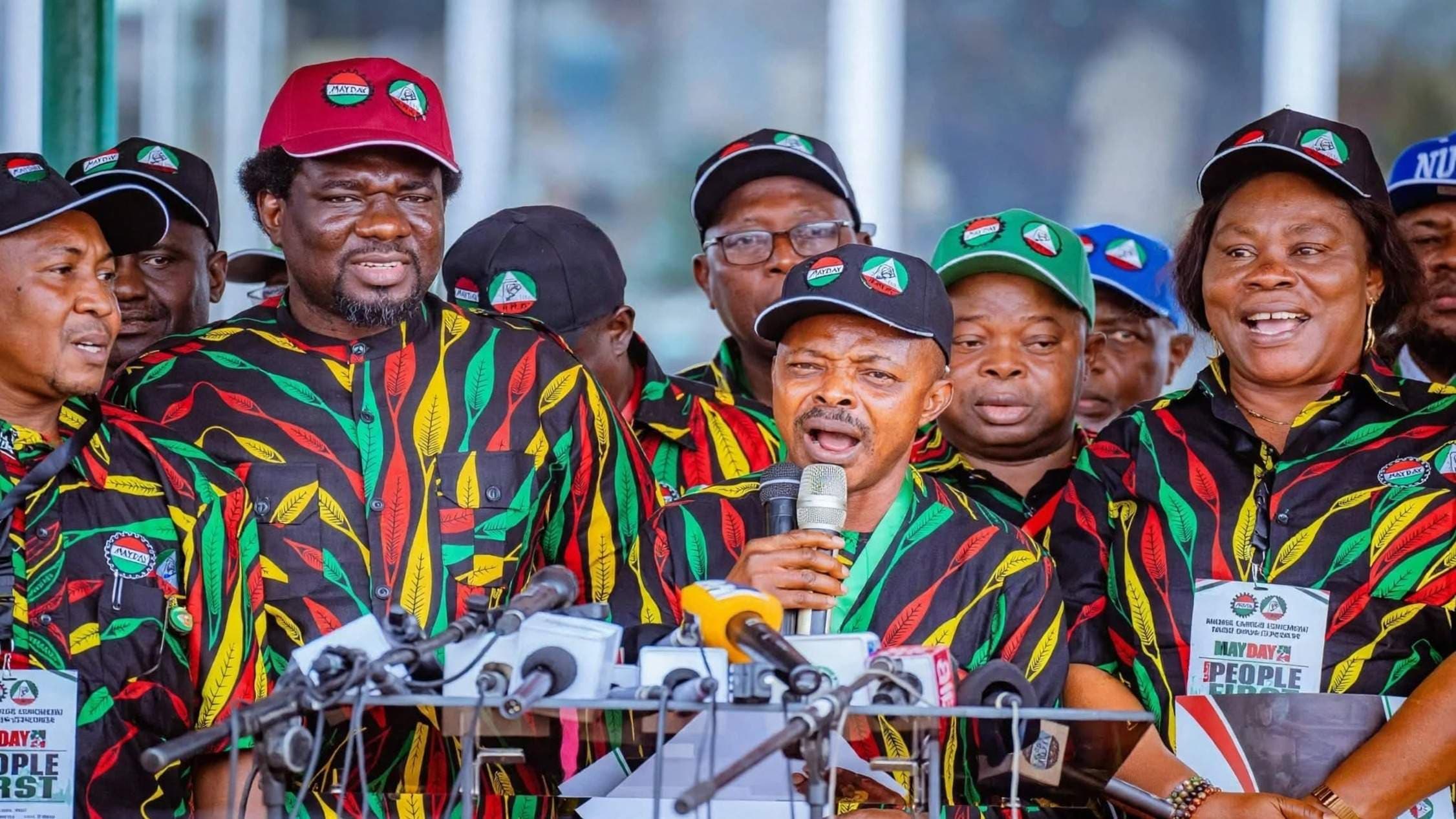
Your bus fare to work is about to get a little less painful. After months of grumbling at motor parks and filling stations, federal workers have secured a fresh lifeline from the government.
For Mrs. Adeola, a Level 8 officer in Surulere who spends over ₦2,000 daily on danfo and keke since petrol crossed ₦900 per litre in many cities, this is not just a circular. It is whether she can afford to get to work without borrowing before month-end.
That is the story for millions. Transport is the silent tax on the Nigerian salary.
Why This Keeps Happening:
This is not the first transport palliative. Let us rewind:
In May 2023, the petrol subsidy was removed, triggering a transport price shock. In October 2023, the FG and labour agreed to a ₦35,000 temporary wage award plus CNG buses. That was followed by the ₦70,000 National Minimum Wage approved in 2024, which labour says has since been eroded by inflation and repeated petrol price hikes.
The numbers today show why workers are still squeezed:
Headline inflation eased to 14.63% in September 2026 from over 20% a year earlier, but food inflation – the one you feel in the market – is still stuck at 19.59% year-on-year. The IMF projects Nigeria’s annual average inflation at 15.6% in 2026, down from 23% in 2025, while the World Bank says inflation stalled at around 15.5% in 2026, more than double peer countries.
In simple terms: prices are rising slower, but they are still high. Your salary buys less than it did two years ago.
Why It Matters:
1. Immediate relief: ₦70,000 covers a chunk of monthly commuting for workers in Abuja, Lagos and Port Harcourt where a single drop can cost ₦500-₦1,000.
2. Signal to the private sector: When FG moves, states and private employers often follow negotiations.
3. Industrial peace: It averts another nationwide strike that would have crippled schools, hospitals and offices.
Is this a salary increase? No.
Think of it as a 6-month transport intervention. The memorandum says: “That transport intervention of Seventy Thousand Naira (N70,000) commencing from November 2026 would be paid across all levels for a period of six months”.
It sits on top of your existing salary. It is not pensionable. It ends in April 2027 unless renewed.
The bigger fight – a new national minimum wage – is still on. Both parties agreed that the Minimum Wage Negotiation Committee will be constituted and commence meetings immediately but are yet to agree on when it takes effect.
There are also 19 months’ arrears owed to health workers included in the broader deal.
Next Steps: What Should You Watch For?
1. November alert: Federal workers should watch their payslips from early November for the first ₦70,000 credit plus the first tranche of peculiar allowance arrears.
2. Implementation is key: The document did not specify exact payment dates or administrative arrangements. Past wage awards suffered delays. The NLC Assistant Secretary-General Chris Onyeka has already described the talks as productive but short of expectations.
3. Minimum wage talks: That is the real long-term battle. Keep an eye on the new committee.
4. States: Will your state government replicate this? History says organised labour at state level will push for it within weeks.
Bottom line, this allowance will not solve the cost-of-living crisis, but for the civil servant deciding between fuel and food, it is breathing space – and that matters.
Source: cbinewstv.com
#CBiNewsTV #NigeriaLabourCongress #FGTransportAllowance #CostOfLivingNigeria #NLC #FederalWorkers #NigerianWorkers #InflationNigeria #MinimumWageNigeria #LabourNews