


FCT Police Crack Down on one-way Driving in Abuja
Last update: November 9, 2026
Disclaimer: This website may contain affiliate links, which means we may earn a commission if you click on the link and make a purchase. We only recommend products or services that we personally use and believe will add value to our readers. Your support is appreciated!
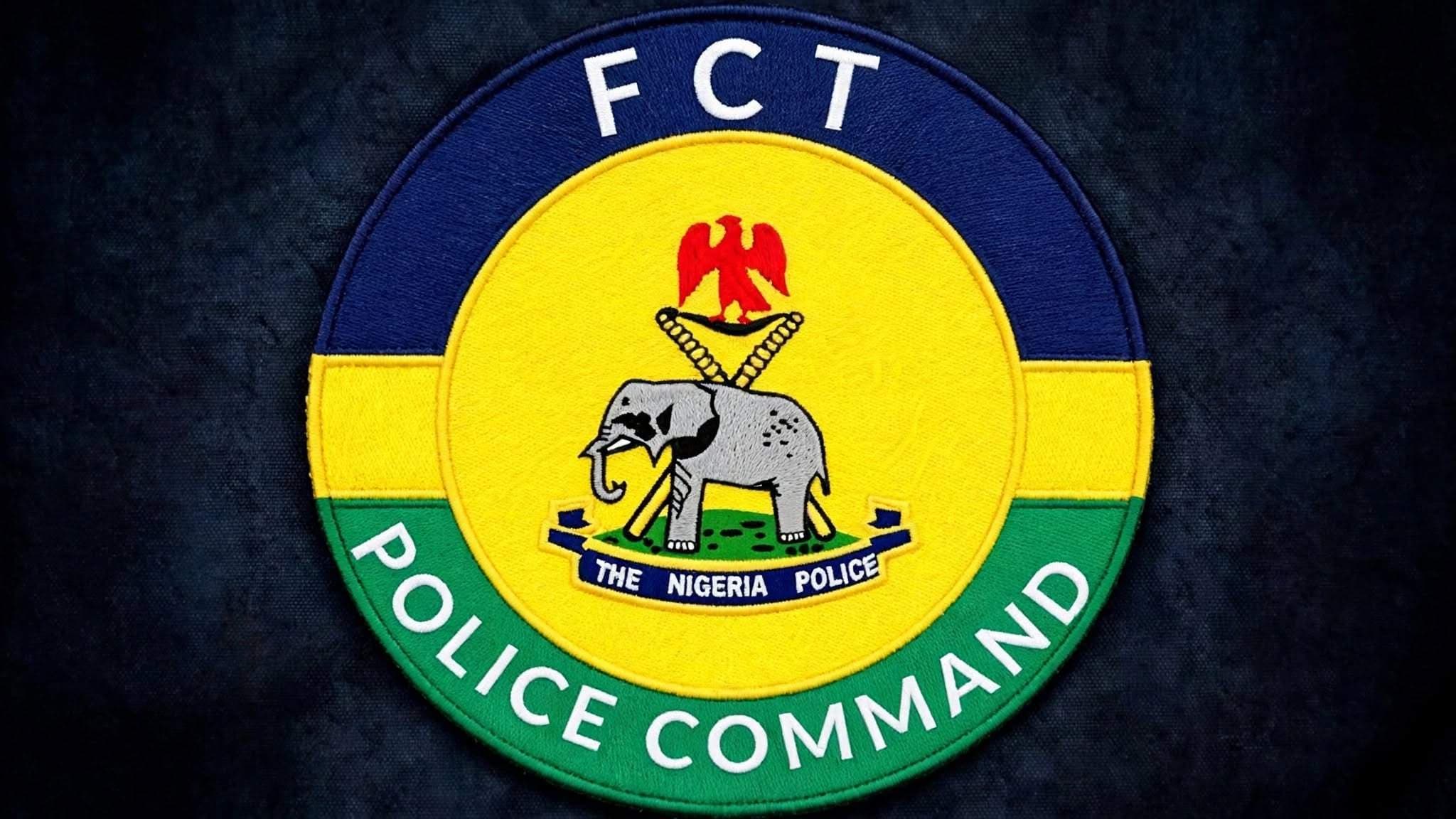
Listen, Abuja drivers — that shortcut you think is saving you five minutes? The police say it could cost you everything.
And this time, they insist, your connections will not save you.
The FCT Police Command has issued a fresh, no-nonsense warning: drive one-way, ignore a diversion, or disobey a traffic officer, and you will be arrested and prosecuted. No phone call to an “oga at the top.” No “do you know who I am?” No intervention from influential personalities.
What Exactly Did the Police Say?
In a statement issued on Monday by the FCT Police Public Relations Officer, SP Josephine Adeh, the Command said it was worried about the increasing disregard for traffic regulations by some motorists in the territory.
The Commissioner of Police, Ahmed Sanusi, was quoted as saying:
“No individual, regardless of status, position or connections, will be exempted from the consequences of violating traffic regulations.”
In plain English: big man or keke rider, senator or student, the rule is the same.
CP Sanusi has now directed the Command’s Motor Traffic Department (MOTOPOL) and all Divisional Traffic Officers to work hand-in-hand with the Federal Road Safety Corps (FRSC) and other traffic management agencies to intensify enforcement across Abuja.
His order was blunt: arrest and immediately prosecute anyone caught driving against traffic or disobeying lawful traffic directions.
It’s Not Just About Traffic, It’s About Lives
Let’s be honest. We’ve all seen it.
It’s 7:45 am on Ahmadu Bello Way or the Airport Road. Traffic is crawling because of construction. One driver gets impatient, swings into the oncoming lane, and suddenly ten others follow. The honest drivers who waited in line are now stuck. A mother trying to get her children to school is forced to swerve. A bike rider has nowhere to go.
That “few minutes saved” is exactly what the police are talking about.
“Road users should understand that the few minutes saved through reckless driving were not worth the risk of losing lives or damaging property.”
And it’s not an exaggeration. The Command also urged motorists to exercise patience, obey traffic signs, and follow instructions from traffic officers — especially around road construction sites and areas where movement has been restricted or diverted.
Why This Matters Now: Background and Data
This is not the first time the police have raised the alarm.
Back in August 2026, the same Command warned motorists against one-way driving, reckless driving and other violations capable of causing accidents, traffic congestion and loss of life and property. That warning followed a directive from CP Sanusi to all Divisional Police Officers (DPOs) and MOTOPOL personnel to step up enforcement.
So why another warning now? Because the behaviour hasn’t stopped.
And the numbers nationally tell a scary story.
According to the FRSC, Nigeria recorded 10,446 road traffic crashes in 2025, resulting in 5,289 deaths and 33,400 injuries. The Corps has repeatedly identified wrong-way driving as one of the leading causes of fatal crashes nationwide.
In September 2025 alone, FRSC mobile courts in the FCT secured 245 convictions from 254 offenders arraigned for 563 traffic offences, including traffic light violations, dangerous driving, wrongful overtaking and route violations.
Abuja is particularly vulnerable. As Nigeria’s capital, it has some of the best roads in the country — wide dual carriageways, flyovers, and expressways — but also some of the heaviest pressure from rapid population growth, ongoing construction, and a rush-hour culture where everyone is in a hurry. When diversions appear for road works, the temptation to “just follow that small gap” becomes almost irresistible.
Historically, one-way driving in Nigeria has also become tangled with impunity. For years, many road users have believed — sometimes rightly — that enforcement could be negotiated with a phone call, a uniform, or a siren. That is precisely the culture CP Sanusi says he wants to break.
What Counts as One-Way Driving?
You don’t have to be on the expressway to break the law. Here’s what the police mean:
- Driving against traffic: Entering a one-way street from the wrong end or driving on the opposite carriageway of a dual carriageway.
- Bypassing diversions: Ignoring a temporary diversion put in place because of construction or road closure and forcing your way through.
- Disregarding traffic signs: Running a “No Entry”, “One Way”, “Diversion Ahead” or “Road Closed” sign.
- Disobeying lawful directions: Ignoring a traffic officer or FRSC official directing traffic, even if you think you know a better route.
All of them count. All of them can now lead to arrest and prosecution.
But What About the Officers Themselves?
Here’s the part many Abuja residents will be watching closely.
CP Sanusi also warned enforcement officers against using the exercise to extort motorists, saying any officer found engaging in such conduct would face disciplinary action in accordance with existing police rules and regulations.
In other words, the crackdown is supposed to go both ways: motorists must obey, officers must not exploit.
That matters because trust is everything here. If drivers believe enforcement is just another checkpoint for “settlement,” the warning loses its power. If they see it applied fairly — to the Okada rider and the SUV with tinted glass alike — it might actually stick.
What Happens Next? Next Steps for Abuja Road Users
1. Expect more joint operations: MOTOPOL, Divisional Traffic Officers, FRSC and other agencies will be out in force, especially around construction zones and known one-way hotspots.
2. Expect immediate prosecution, not just a warning: The Commissioner’s language has shifted from “warn” to “arrest and immediately prosecute.”
3. Don’t call your “big man”: The Command has said upfront that contacting senior police officers, government officials or influential personalities will not exempt offenders.
4. Report bad officers: If an officer tries to extort you during enforcement, note the details and report through official police channels. The Command says such officers will be disciplined.
5. Report suspicious activity: Beyond traffic, the police urged residents to remain security-conscious and report suspicious persons or activities to the nearest police station.
The Bottom Line.
This is about more than traffic. It’s about whether rules apply to everyone in Abuja, or only to those without connections.
The police have drawn a line: no one-way, no shortcuts through diversions, no special treatment.
The question now is whether enforcement on the road will match the words in the statement.
Stay patient. Follow the signs. Follow the officers. And if you’re tempted to go one-way to beat traffic — remember, those five minutes are not worth a life, a smashed car, or a criminal record.
Stay safe, Abuja.
#AbujaTraffic #OneWayDriving #FCTPolice #RoadSafety #Abuja #Nigeria #FRSC #DriveSafe #CBINewsTV #AbujaNews #TrafficAlert #NoOneWay