



Ebola Scare in North-East: NCDC Isolates two Suspected Cases After Abuja Imported Case
Last update: October 31, 2026
Disclaimer: This website may contain affiliate links, which means we may earn a commission if you click on the link and make a purchase. We only recommend products or services that we personally use and believe will add value to our readers. Your support is appreciated!
Just days after Nigeria recorded its first imported Ebola case in 12 years, the alarm bells are ringing again, this time in the North-East.
Here’s what we know, according to cbinews.tv:
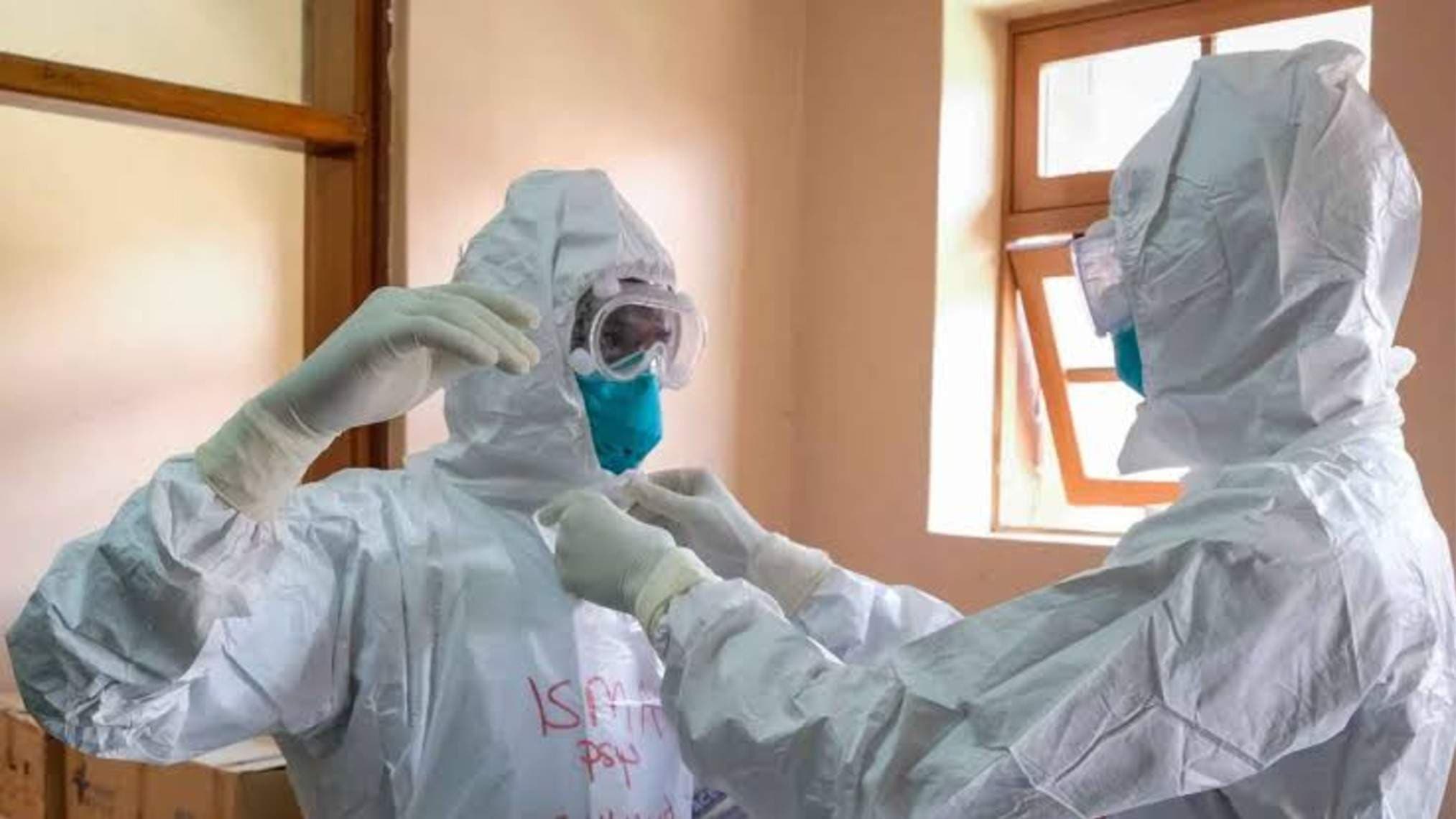
The Nigeria Centre for Disease Control and Prevention (NCDC) says it has picked up two suspected Ebola cases in the North-East. Both individuals have already been isolated, their contacts are being traced and listed, and lab samples are being tested as we speak.
And crucially, suspected does NOT mean confirmed. The NCDC was very clear on its X handle on Saturday: we have to wait for the laboratory results.
This is personal. Ebola is not just a headline; it is a virus that spreads through close contact, and it puts families, health workers and whole communities on edge. The North-East, already dealing with humanitarian challenges, is the last place anyone wants an outbreak to take hold.
The timing is worrying. On 20th October 2026, the Federal Government confirmed an imported case in Abuja, a woman who had travelled in from Uganda. She fell ill on 7th October, went to a private hospital on 11th October, and triggered a major contact-tracing operation.
From 44 contacts to 53 contacts, including doctors, nurses, patients, caregivers and fellow travellers. All were placed under surveillance. She was later evacuated to Switzerland on 26th October with her husband. Clinically stable, but still infectious, according to Health Minister Prof Ali Pate.
Isolation and testing: The two suspected cases are isolated while labs do their work.
Contact tracing: Anyone who had close contact is being identified.
The 42-day rule: The World Health Organisation says Nigeria must go 42 days- that’s two full 21-day incubation cycles- with no new confirmed case before we can be declared Ebola-free again.
To keep people compliant, the FG is even paying N100,000 weekly to each contact of the confirmed Abuja case to stay in quarantine.
A bit of history
Nigeria knows how to beat Ebola. We did it in 2014 when an imported case from Liberia led to 20 cases and 8 deaths, but swift action stopped it from becoming a catastrophe. That experience is why the NCDC is moving fast now.
Data from the WHO shows Ebola has a fatality rate of 25% to 90%, depending on the strain and response. Early detection is everything.
Next steps.
The NCDC’s advice hasn’t changed: wash your hands properly, improve sanitation, and follow only verified public health guidance. Don’t panic, don’t spread rumours.
We’ll bring you verified updates as they come from the NCDC.
#Ebola #NCDC #NigeriaNews #PublicHealth #NorthEastNigeria #Abuja #BreakingNews #HealthAlert #cbinewstv
Written by Babatimilehin kayode
Posted by Babatimilehin kayode · Last updated: October 31, 2026