



Ebola Cluster Prompts US to Raise Kenya Travel Advisory
Last update: October 20, 2026
Disclaimer: This website may contain affiliate links, which means we may earn a commission if you click on the link and make a purchase. We only recommend products or services that we personally use and believe will add value to our readers. Your support is appreciated!
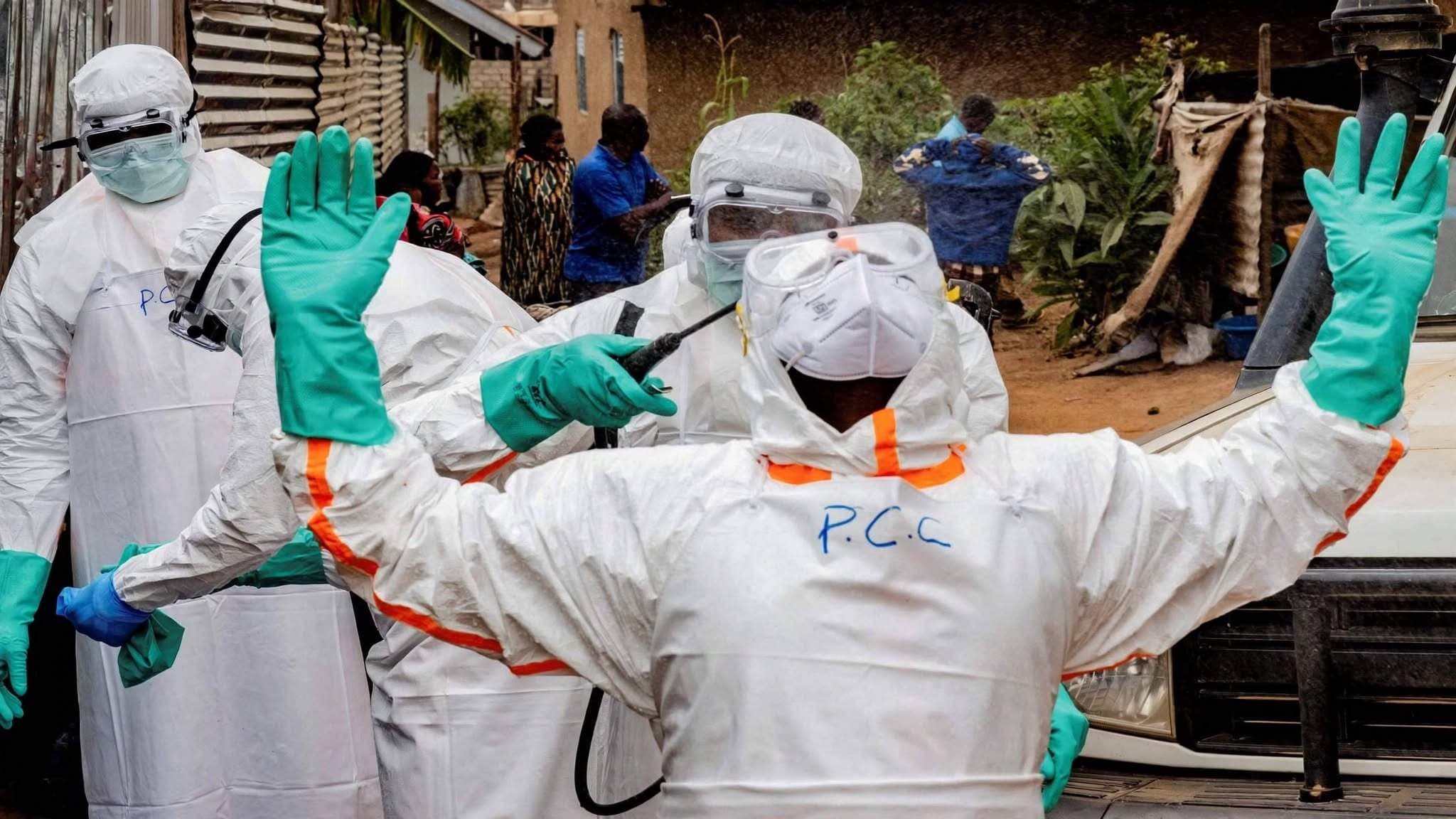
Right, let's unpack this, because if you had a safari or a Nairobi city break booked, this one's for you.
In a move that has got a lot of people talking, the United States has officially bumped up its travel advisory for Kenya. The US State Department updated its guidance on 19 October, moving Kenya from Level 2 (Exercise Increased Caution) to Level 3 (Reconsider Travel).
So, what’s behind it? It’s not just one thing.
Why Now?
The timing is crucial. Kenya has just confirmed its first cluster of Ebola cases in years. On Sunday, the total number rose to eight, after a 49-year-old patient attendant tested positive while in quarantine.
That attendant had cared for the index patient - a 40-year-old Kenyan man who had travelled from the Democratic Republic of Congo through Uganda, arriving in Kenya on 3 October. He was driven to Nairobi Hospital by a relative and tragically died on 5 October, two days later.
According to Kenya’s Health Ministry Director-General, Dr Patrick Amoth, around 130 contacts were traced after that first death, with 128 still in monitored quarantine. The other six patients are said to be stable and receiving supportive care.
The US advisory doesn’t just mention Ebola. It also lists the usual, persistent concerns: crime, kidnapping, terrorism, civil unrest and road safety.
Beyond the Headlines
It’s easy to read “Ebola” and panic. But let’s put a human face on this.
For the families of those eight patients, and the 128 people sitting in quarantine right now, this is incredibly distressing. For the health workers who are on that contact list - who showed up to care for a sick man - they are now the ones being monitored.
And for everyday Kenyans, the story is frustratingly familiar. Kenyan health authorities are adamant that there is no evidence of wider community transmission and that the overall risk to the public remains low, with containment measures firmly in place. They have been here before, dealing with COVID-19, cholera and previous Ebola scares from across the border, and they know how quickly a travel advisory can crush a local economy that depends on visitors feeling safe.
Why Ebola Keeps Coming Up
This isn’t Kenya’s first brush with Ebola, but it has never had a large homegrown outbreak. The real historical epicentre has always been the DRC and Uganda.
Ebola is highly contagious, but not in the way a flu is. You don’t catch it from walking past someone. As cbinewstv.com notes, it spreads through direct contact with an infected person’s bodily fluids - blood, vomit, diarrhoea - or contaminated surfaces like bedding and clothing. It has a fatality rate that can be between 25% and 90%, depending on the strain and the care available.
The DRC is currently battling its deadliest outbreak in recent memory, with reports of at least 4,000 deaths since May. Because people, trade and families constantly move across the porous Uganda-Kenya-Congo borders, health officials have long warned that imported cases were a matter of when, not if.
Kenya learned hard lessons during the 2014-2016 West Africa outbreak ,which killed over 11,000 people and devastated tourism across the entire continent - even in countries thousands of miles away that had zero cases. That stigma is exactly what Nairobi is trying to avoid now.
Why This Matters?
This matters for three reasons:
1. For travellers: A Level 3 advisory affects travel insurance. Many policies become void or more expensive, and your embassy’s ability to help you may be limited.
2. For Kenya: Tourism contributes roughly 10% to Kenya’s GDP. A Level 3 from the US, which is hugely influential, often prompts other countries to review their own guidance. That means hotel cancellations in Mombasa and fewer bookings for the Maasai Mara migration season.
3. For public health: It’s a reminder that health security is global. Containing this cluster quickly is not just a Kenyan problem; it’s an East African one.
What Do the US Travel Levels Actually Mean?
Quick explainer, as cbinewstv.com reports:
* Level 1 - Exercise Normal Precautions: You’re good to go.
* Level 2 - Exercise Increased Caution: Be a bit more aware. This was Kenya’s previous level.
* Level 3 - Reconsider Travel: This is the new one. The US is saying there are serious risks. Avoid non-essential travel and take serious precautions.
* Level 4 - Do Not Travel: The highest warning. Life-threatening risks. The US says do not go to Eastleigh, Kibera and the border regions.
What’s Next?
The Ministry of Health says containment is the absolute priority - rigorous contact tracing, daily symptom checks for those 128 contacts, and isolation for any new symptomatic cases.
For you, if you are travelling:
* Check if your travel insurance still covers you under a Level 3 advisory.
* Enrol in the US Smart Traveller Enrollment Program (STEP) for real-time alerts.
* Follow Kenya Ministry of Health updates and WHO guidance on Ebola prevention - frequent handwashing, avoiding contact with anyone showing symptoms, and avoiding contact with bodily fluids.
* Avoid the Level 4 areas entirely.
The next 21 days - one full incubation period for Ebola - will be critical. If no community spread is found beyond these traced contacts, we can expect Kenya to push hard for the advisory to be lowered again.
We will keep monitoring the situation for you here at cbinewstv.com.
#KenyaTravelAdvisory #EbolaInKenya #USTravelAdvisory #KenyaNews #Nairobi #TravelNews #EastAfrica #PublicHealth #CBINewsTV