


DRC Launches Tumaini Ebola Vaccine Trial in Bunia
Last update: October 24, 2026
Disclaimer: This website may contain affiliate links, which means we may earn a commission if you click on the link and make a purchase. We only recommend products or services that we personally use and believe will add value to our readers. Your support is appreciated!
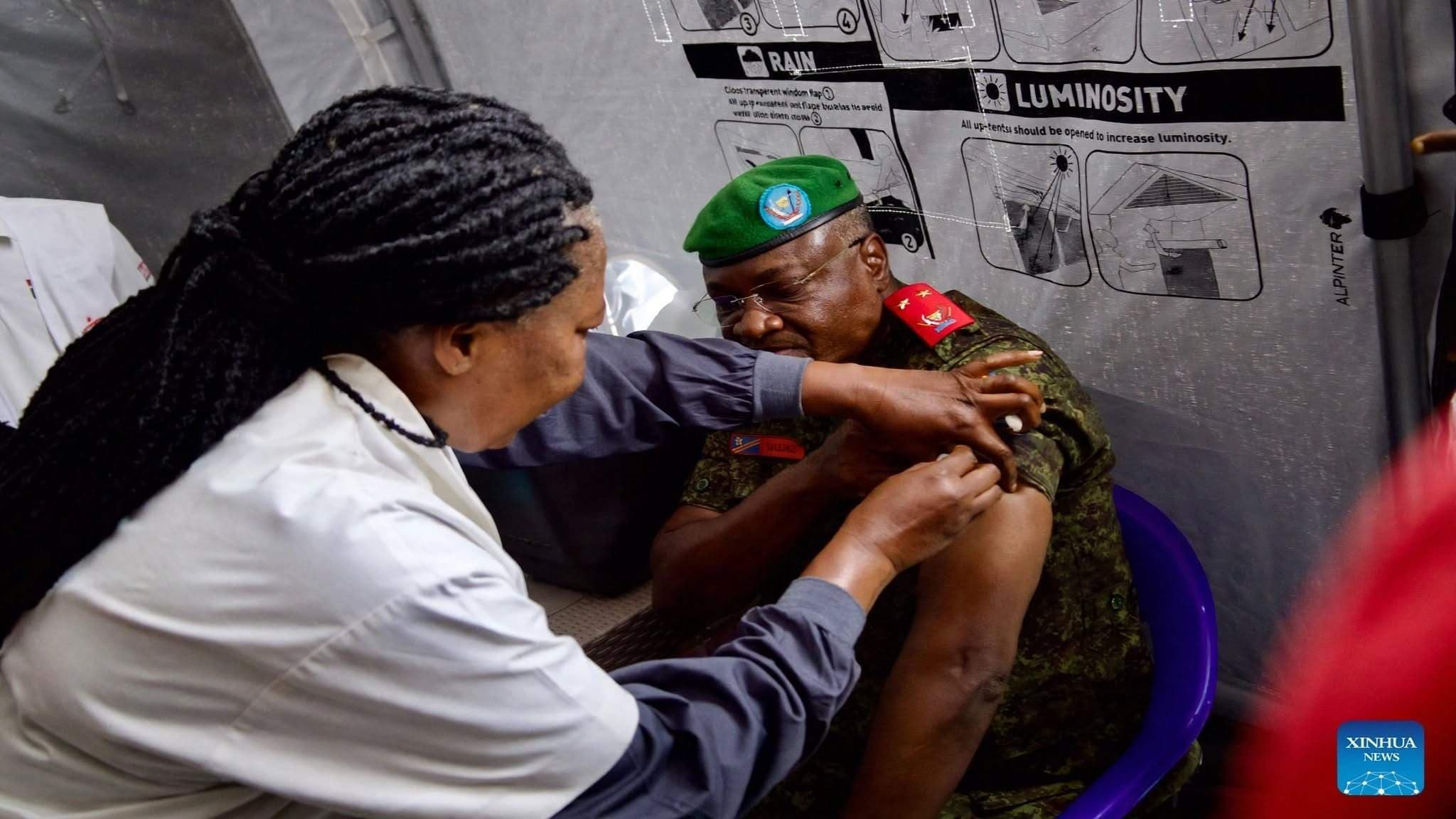
As the DRC battles over 9,000 Ebola cases in what is now its deadliest outbreak ever, doctors in Bunia have just started injecting hope — literally.
There’s finally a glimmer of hope coming out of eastern Congo.
On Saturday, health workers in Bunia, the capital of Ituri Province, officially launched a brand-new clinical trial for an Ebola vaccine. It’s called TUMAINI — which means “hope” in Swahili — and honestly, the name couldn’t be more fitting right now.
This is not the DRC’s first rodeo. The DRC recorded the world’s first-ever Ebola outbreak back in 1976 near the Ebola River — that’s where the virus got its name. Since then, the country has battled 15 outbreaks.
But this one is different. Since it was declared in mid-May this year, the Ministry of Health has confirmed more than 9,000 cases, making it the deadliest and fastest-growing in Congolese history, surpassing the 2018-2020 Kivu outbreak that killed 2,280 people.
And it’s no longer just a DRC problem. As cbinewstv.com has been tracking:
* Kenya has reported nine cases across its western border.
* Nigeria confirmed its first case this week — raising fears of a wider West African spread.
* Uganda, which reported 20 cases earlier this year, was thankfully declared Ebola-free in August.
The culprit here, Bundibugyo virus, is rarer. It was first discovered in Uganda in 2007. It has a fatality rate of around 30-40%, lower than Zaire’s 60-90%, but still brutal, and we have had zero licensed vaccines for it until now. That’s why TUMAINI matters so much.
Behind that 9,000 number are mums, boda riders, market traders and nurses in Bunia who have been living in fear for five months. In Ituri, where many families have already been displaced by militia violence, Ebola means you can’t even hug a sick relative. The trial gives contacts — people who have just watched a loved one test positive — a chance to protect themselves instead of just waiting to get ill. It’s science, but it’s also profoundly personal.
Why it matters?
Think of Ebola like a family of viruses. Our current vaccines are like a flu jab that only works for one flu type. The world has been caught out because this outbreak is Bundibugyo, not Zaire. If TUMAINI works, we will finally have a tool for all Ebola species, not just one. That changes pandemic preparedness for the whole continent.
What happens next?
1. Ring vaccination begins: Health teams will identify confirmed cases in Bunia and vaccinate their close contacts within days.
2. Safety monitoring: Researchers will track side effects for 21 days, the typical incubation period.
3. Regional watch: WHO is on high alert for cross-border cases, especially in Kenya and Nigeria. Labs in Nairobi and Abuja are now running genomic sequencing.
4. Results expected early 2027: If the data is strong, WHO could fast-track emergency use authorisation, just like it did with COVID vaccines.
For now, all eyes are on Bunia. As one INRB scientist told cbinewstv.com, “We are not just testing a vaccine; we are testing hope.”
We’ll keep following this one.
Source: cbinewstv.com
#Ebola #DRC #Bunia #TumainiTrial #Bundibugyo #Ituri #WHO #INRB #AfricaHealth #VaccineTrial #PublicHealth #cbinewstv