



DR Congo Ebola Death Rate Above 50% as US Limits Travel
Last update: November 2, 2026
Disclaimer: This website may contain affiliate links, which means we may earn a commission if you click on the link and make a purchase. We only recommend products or services that we personally use and believe will add value to our readers. Your support is appreciated!
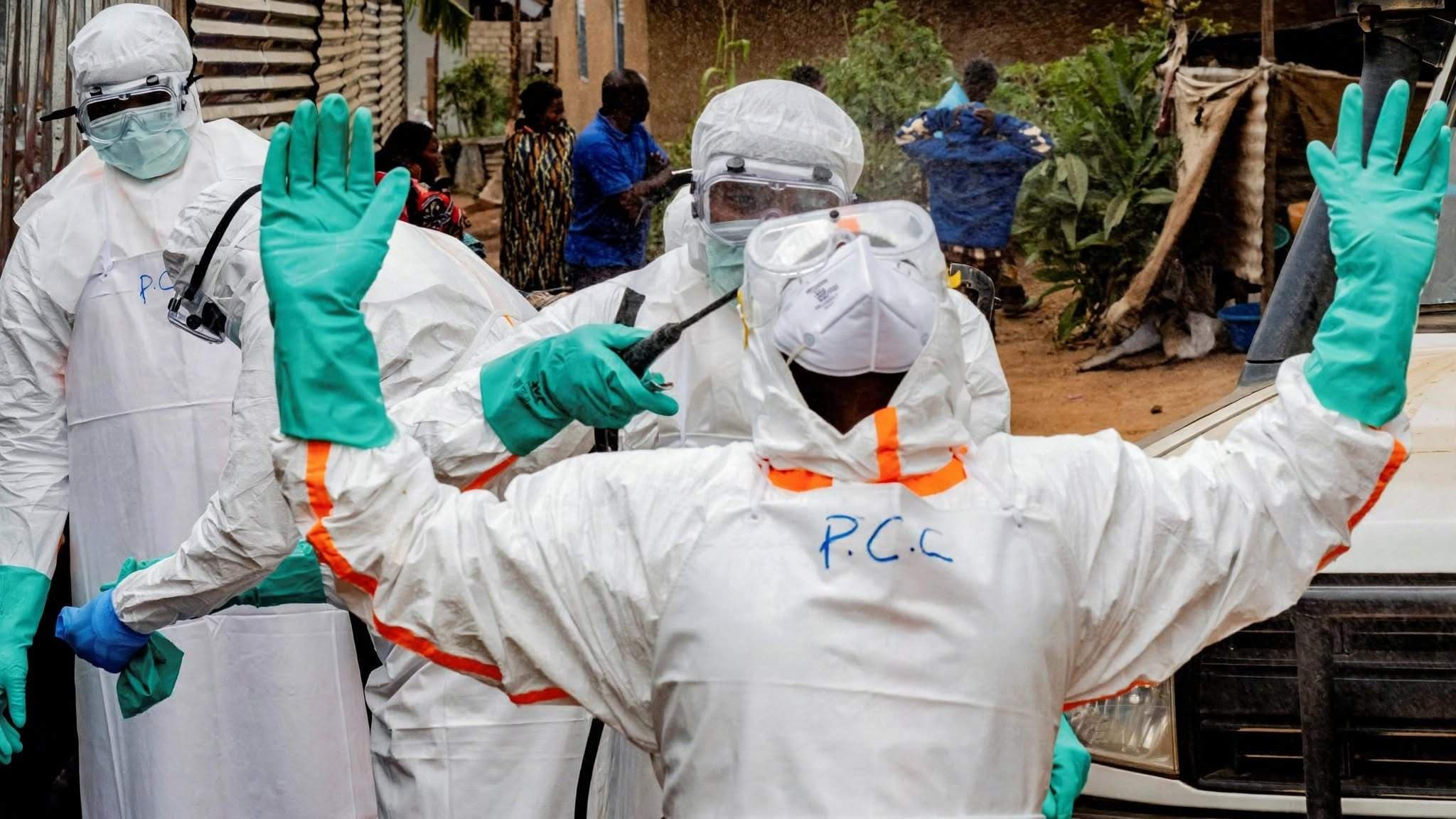
DR Congo Ebola Death Rate Tops 51% as US Tightens Travel Rules - What We Know
More than half of people with confirmed Ebola in DR Congo have now died — and it’s triggered a fresh wave of international travel curbs and border checks.
More than a decade after the world’s worst Ebola outbreak, the Democratic Republic of Congo is facing its biggest ever — and deadliest — epidemic.
Citing DR Congo’s National Institute of Public Health, the country has now recorded 10,414 confirmed infections and 5,372 deaths. That puts the case-fatality ratio at 51.6%.
It’s a grim milestone. Put simply, more than one in two people with a confirmed infection have not survived.
So why did the death rate suddenly jump?
It’s not that the virus got deadlier overnight. Health officials reviewed mortality records across 97% of affected health zones in Ituri province — the epicentre of this outbreak — and found 314 previously unallocated Ebola deaths.
Once those deaths were added to the official tally, the fatality rate shot up from 48.6% to 51.6% in just two days, even though confirmed infections rose by only 140 in the same period.
Health teams are still logging dozens of new cases every day. The outbreak has now spread to eight provinces and 67 health zones.
Behind that 51.6% figure are families in Ituri, North Kivu and beyond — farmers, traders, mums, kids — and exhausted frontline health workers who are tracking contacts, running isolation units, and burying loved ones safely.
Ituri is densely populated, highly mobile, and has been affected by conflict for years, which makes contact tracing and community trust incredibly difficult. When people move to seek care or to flee insecurity, the virus moves with them.
Why it matters now:
1. It’s historic. This is now the largest Ebola outbreak ever recorded in DR Congo, and the second-largest in the world after the 2013–2016 West Africa outbreak that infected over 28,600 people and killed 11,325.
DR Congo has seen 15 Ebola outbreaks since 1976, when the virus was first discovered near the Ebola River. Its previous biggest was the 2018–2020 outbreak in the east, which killed 2,280 people.
2. The international response is escalating. The US Centers for Disease Control and Prevention [CDC] has announced new boarding rules taking effect late Tuesday, 3 November 2026.
All passengers boarding US-bound flights must now attest they have not been in DR Congo in the previous 21 days. If they have, they will generally be barred from boarding commercial flights to the US. It could get messy for transit passengers too.
3. Africa is on edge. Nigeria has tightened surveillance after a scare. Two suspected cases in Adamawa State tested negative on 1 November after two rounds of lab tests, according to Nairametrics and the Nigeria Centre for Disease Control and Prevention [NCDC].
That came after Nigeria recorded its first confirmed case in more than a decade on 20 October — a 42-year-old woman who had arrived from Uganda. The World Health Organisation [WHO] later confirmed Nigeria has no Ebola patients left in-country after the woman and her husband were medically evacuated to Switzerland on 26 October.
And there’s a funding question too: Africa CDC has queried more than $700 million in Ebola response spending in DR Congo after several organisations failed to provide proper financial records.
What is Ebola?
Ebola virus disease spreads through direct contact with blood, body fluids, or contaminated objects of a sick person, or someone who has died from it. It’s not airborne like flu or COVID.
Symptoms start 2 to 21 days after exposure — that’s why you keep seeing that 21-day figure — with fever, headache, muscle pain, vomiting, diarrhoea and, in severe cases, internal and external bleeding.
The average fatality rate, according to the WHO, is around 50%, but has varied from 25% to 90% in past outbreaks depending on the strain and how quickly people get supportive care. There is no licensed cure, but early supportive care — fluids, managing symptoms — dramatically improves survival, and vaccines [Ervebo, Zabdeno/Mvabea] are now used to protect contacts and frontline workers.
What happens next?
In DR Congo: The priority is finding every contact, getting vaccines to health zones fast, and rebuilding trust so families report symptoms early.
In the US and abroad: Expect more screening, longer check-in times, and tighter declaration forms for anyone who has recently been in Central Africa.
In Nigeria: The clock is ticking. The Federal Government says Nigeria could declare the outbreak over by 7 December 2026, but only if no new confirmed or probable cases appear and the WHO validates a full 42-day surveillance period — that’s two full incubation cycles with zero cases.
For now, the NCDC is urging people not to share unverified rumours and to report any symptoms through official channels.
This is a fast-moving situation. We’ll keep tracking the numbers and the travel rules as they change.
Reporting based on Bloomberg data via DR Congo’s National Institute of Public Health, US CDC and NCDC updates. Original write-up via cbinewstv.com.
#Ebola #DRCongo #EbolaOutbreak #PublicHealth #USATravel #CDC #WHO #NCDC #AfricaHealth #Ituri #GlobalHealth