


DR Congo Ebola Crisis: Death Toll Passes 5,372 as Bundibugyo Strain Kills Over Half of Patients
Last update: November 2, 2026
Disclaimer: This website may contain affiliate links, which means we may earn a commission if you click on the link and make a purchase. We only recommend products or services that we personally use and believe will add value to our readers. Your support is appreciated!
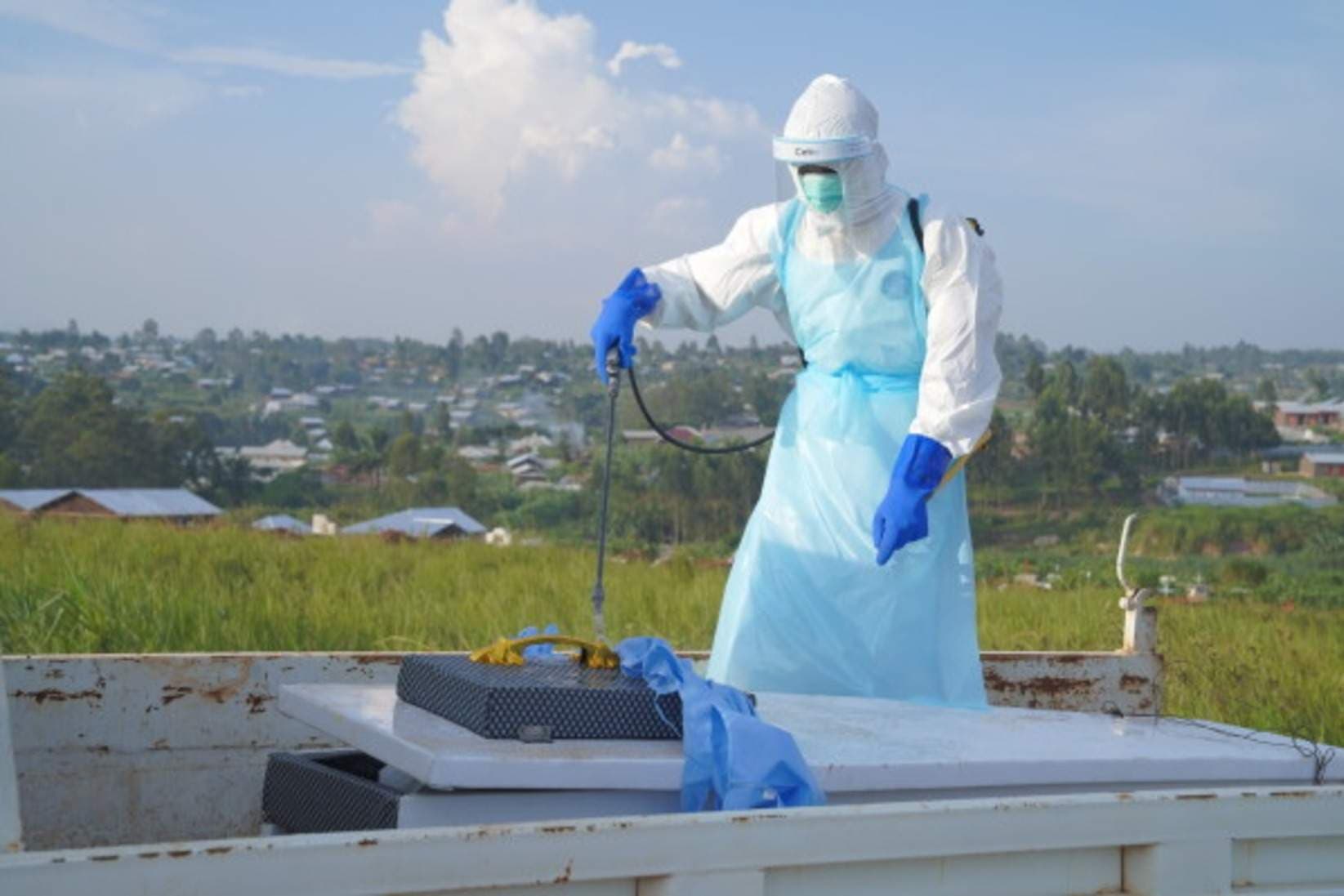
Over half of everyone who catches it is dying. DR Congo's Ebola outbreak has just become its deadliest ever.
Here’s the picture, as reported by cbinews.tv:
The numbers are brutal. According to the DRC's National Institute of Biomedical Research (INRB), the country had recorded 10,414 confirmed cases and 5,372 deaths as of 30 October, putting the case fatality rate at a staggering 51.6%.
And that jump in deaths? Officials say it’s not a one-day surge, but a retrospective clean-up of data between local teams and the outbreak team in Ituri Province.
This isn’t just numbers on a chart. This is DR Congo’s 17th Ebola outbreak, declared on 15 May 2026, and it’s now officially the worst in the country’s history and the second-largest ever recorded globally. It started in the gold-mining towns of Mongwalu and Rwampara, but has now spread to eight provinces.
Health workers are fighting blind. The culprit is the rare Bundibugyo strain; unlike the Zaire strain, there is no licensed vaccine or specific treatment for it. Care is purely symptomatic.
And containment is failing. Africa CDC warns that around 80% of new cases are coming from outside monitored contact lists, meaning the virus is spreading through unknown chains of transmission.
Worse, it’s no longer just a Congolese crisis. Cases have now been picked up in Uganda, Kenya and Nigeria, raising real fears of continent-wide spread.
First identified in Uganda in 2007, Bundibugyo ebolavirus is one of six Ebola species. It’s less famous than Zaire, but just as nasty, historically killing 30-50% of those infected. There’s no jab for it. That’s why the new Tumaini, Swahili for ‘Hope’, Phase 2/3 vaccine trial, which started in Bunia on 23 October, co-led by INRB and the University of Antwerp, is so critical.
A fatality rate over 50% with untracked community spread, in a region with fragile health systems and high cross-border movement, is a textbook public health emergency. If 80% of infections are invisible to tracers, the true case count could be far higher.
Next Step....
Data catch-up: INRB is reconciling provincial backlogs, so figures may still shift.
Vaccine hope: Eyes are on the Tumaini trial results, but rollout is months away.
Regional alert: Africa CDC and WHO are ramping up screening at borders in East and West Africa.
This is no longer a localised outbreak. It’s a race against an untraceable virus.
Source: cbinews.tv
#Ebola #DRCongo #Bundibugyo #AfricaCDC #INRB #PublicHealth #EbolaOutbreak #DRCNews #cbinews
Written by Babatimilehin kayode
Posted by Babatimilehin kayode · Last updated: November 2, 2026