


Court Throws out El-Rufai’s N120m Rights Suit Against DSS, EFCC, ICPC
Last update: October 19, 2026
Disclaimer: This website may contain affiliate links, which means we may earn a commission if you click on the link and make a purchase. We only recommend products or services that we personally use and believe will add value to our readers. Your support is appreciated!
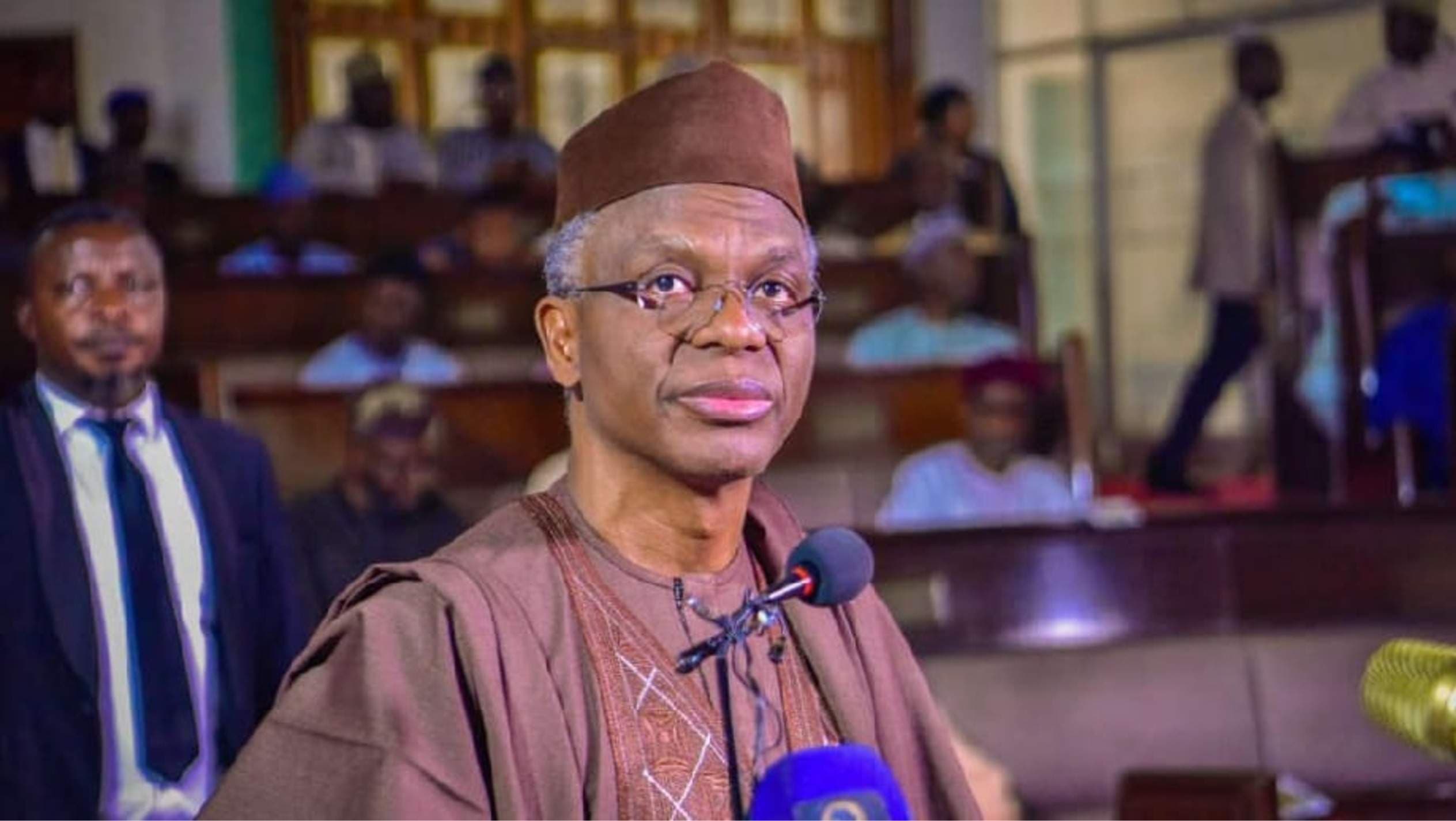
A former governor took on Nigeria’s four biggest law enforcement agencies in court and lost. Badly.
Here’s what just happened to Nasir El-Rufai in Abuja.
In a judgment that’s got everyone talking, the Federal Capital Territory High Court in Maitama has dismissed the N120 million fundamental rights suit filed by former Kaduna State Governor, Nasir El-Rufai, against the DSS, EFCC, ICPC and the Attorney-General of the Federation.
As reported by cbinews.tv, Justice Sylvanus Oriji ruled the suit lacked merit and substance, saying El-Rufai simply failed to prove his rights were violated.
El-Rufai had claimed that an attempted arrest at the Nnamdi Azikiwe International Airport and the seizure of his international passport were unlawful, plus that invitation letters from the EFCC and ICPC for questioning were harassment.
The court disagreed on all counts.
Justice Oriji held that:
EFCC and ICPC have every right to invite anyone for questioning.
The DSS has statutory power to watchlist persons of interest and act where justified.
The passport seizure and attempted airport arrest were lawful.
And for wasting the court’s time? He’s been ordered to pay N200,000 each to the four respondents - that’s a total of N800,000.
This isn’t happening in a vacuum. El-Rufai, who governed Kaduna from 2015 to 2023, has been under the anti-corruption spotlight since leaving office. His case follows a familiar pattern in Nigeria where former governors head to court to stop probes.
The ruling is a big win for the agencies. It reinforces a crucial legal principle: you can’t use a fundamental rights suit to block law enforcement from doing its job.
What is a Fundamental Rights Suit?
It’s a fast-track case under Chapter IV of the 1999 Constitution meant to protect citizens from illegal detention, torture or seizure. But courts have consistently held it cannot be used as a shield against lawful investigation.
El-Rufai has two options: comply with the EFCC/ICPC invitations for questioning, or head to the Court of Appeal. Given his history of challenging such invitations, an appeal is highly likely.
For now, the agencies have the green light to continue.
Source/Cbinewstv
#ElRufai #DSS #EFCC #ICPC #NigeriaNews #AbujaCourt #CBINewsTV #Kaduna #RuleOfLaw
Written by Babatimilehin kayode
Posted by Babatimilehin kayode · Last updated: October 19, 2026