


Climate Extremes are now the Norm, UN Warns
Last update: November 9, 2026
Disclaimer: This website may contain affiliate links, which means we may earn a commission if you click on the link and make a purchase. We only recommend products or services that we personally use and believe will add value to our readers. Your support is appreciated!
Forget “once in a lifetime” weather. According to the UN, this *is* the lifetime now.
Right, so here’s the big one from Antalya.
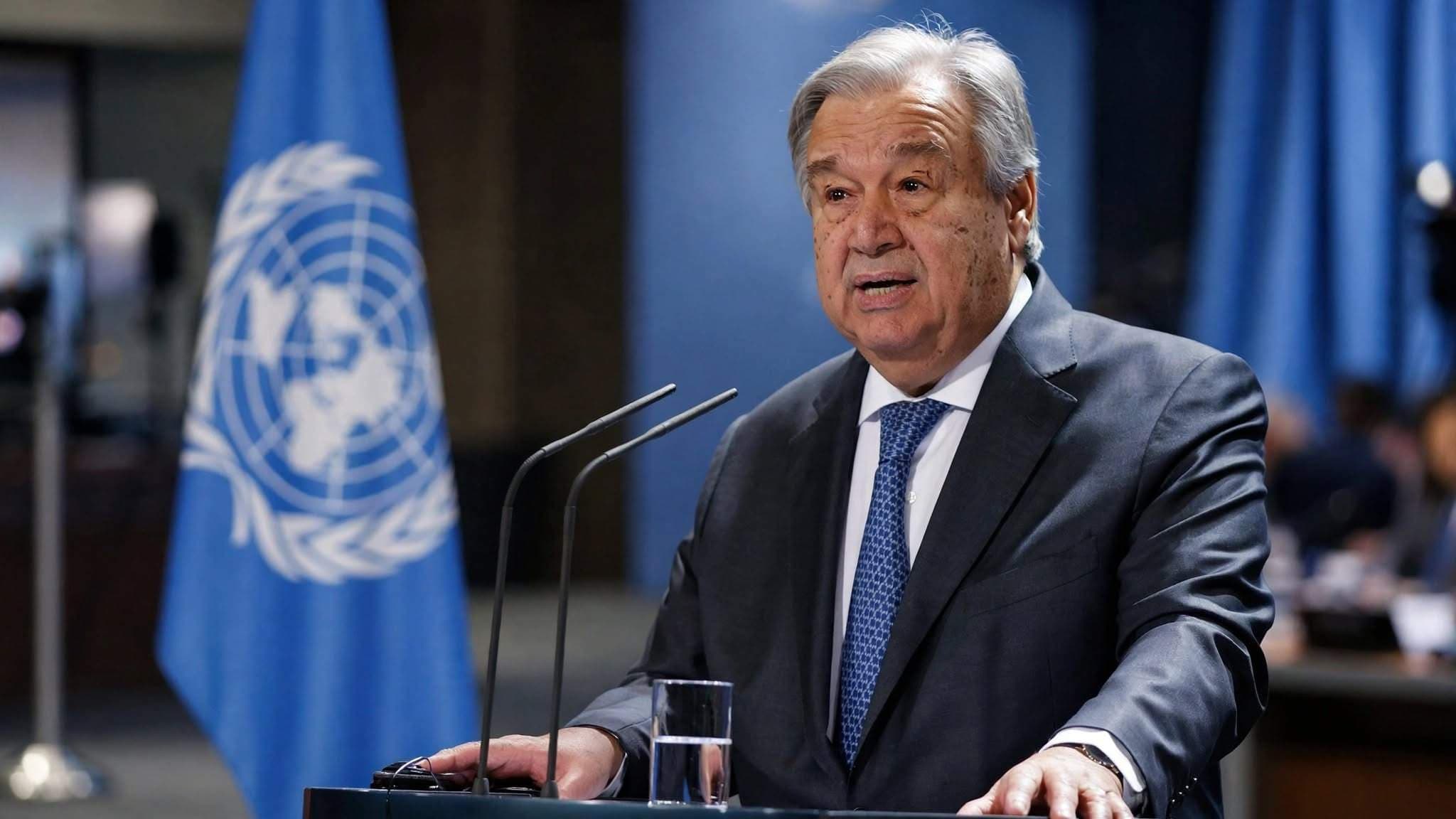
As world leaders rolled into Turkey for COP31 on Monday, UN Secretary-General António Guterres didn’t mince his words. He said we’re stepping into a whole new reality — one where climate extremes aren’t the exception anymore. They’re the norm.
His warning came with a pretty stark image: “A supersized El Niño is colliding with a planet already superheated by manmade climate change.”
And honestly? The numbers back him up.
What’s actually happening?
The UN’s weather agency, the World Meteorological Organisation (WMO), dropped its latest report just as COP31 opened — and it’s sobering.
- January to September 2026 was around 1.47°C above the pre-industrial average
- 2026 is set to rank among the four hottest years ever recorded
- Each of the past 12 years has now been among the hottest 12 years on record. Let that sink in. That’s not a blip, that’s a pattern.
- Global sea level is the highest on record
- Freshwater is dwindling, and glaciers are still retreating fast. In 2025 alone, we lost enough ice to fill five Olympic swimming pools every single second of the year.
WMO chief Celeste Saulo put it bluntly in Geneva: “What we are seeing gives new meaning to the phrase off the charts.”
She also warned we should brace for another record-breaking year in 2027.
Wait, what’s El Niño got to do with it?
Think of it like this — this is your explainer bit:
El Niño is a natural weather pattern that happens every few years when the tropical Pacific Ocean gets warmer than usual. It releases a massive amount of heat stored in the ocean into the atmosphere.
Normally, El Niño is declared when sea temperatures there are just 0.5°C above average.
This time? The WMO is forecasting it could hit 3.8°C above average from now through January. That’s not just strong, that’s supersized.
And it’s landing on an ocean that’s already the warmest ever measured. So instead of just adding a bit of heat, it’s acting like a risk multiplier.
As Saulo said: “We are supercharging our weather and El Niño will be a risk multiplier.” Translation: heatwaves get hotter, tropical cyclones get stronger; rainstorms get heavier — faster than our old history books ever prepared us for.
This isn’t happening in a vacuum.
We’ve been inching towards this moment for decades. The Paris Agreement back in 2015 aimed to keep warming well below 2°C, ideally 1.5°C. We’re now hovering at 1.47°C for the first nine months of this year alone.
And El Niño has formed. The big El Niño of 2015-16 helped push 2016 to a then-record high. The one in 2023-24 did the same. What’s different now is that the baseline is so much hotter to start with. We’re not starting from cool anymore.
That’s why Guterres is saying the old normal is gone.
Why this isn’t just about graphs
Behind every one of those stats is someone living it.
It’s the farmer in northern Nigeria watching freshwater dwindle, and crops fail. It’s the family in Lagos dealing with heavier rainstorms and flooding that used to be rare. It’s coastal communities watching the sea creep higher year after year. It’s older people, outdoor workers, and kids trying to sleep through heatwaves that don’t cool down at night.
This is why Guterres told leaders to “get serious” — not just in speeches, but in three very specific ways:
1. Cut emissions faster
2. Accelerate a just transition from fossil fuels — so workers and communities aren’t left behind
3. Deliver the finance and protection vulnerable countries need
In other words, the countries that did least to cause this are often hit hardest, and they need help to adapt *now*, not in 10 years.
Is there ANY good news?
Actually, yes — a small glimmer.
The WMO highlighted that far more countries now have essential multi-hazard early warning systems in place — up from just 55 countries in 2015 to 136 last year.
That matters. Early warnings save lives. A text alert about a flood or heatwave can be the difference between getting out in time and not.
But Saulo warned we can’t get complacent: “We cannot afford to fly blind.” Those systems only work if we keep investing in the satellites, weather stations, data-gathering and forecasting behind them.
Why it matters to you
Even if you’re not in Antalya, this COP matters because the decisions made there will shape energy prices, food prices, insurance, health, and how prepared your city is for the next flood or heatwave.
We’re no longer talking about stopping climate change in the abstract. We’re talking about living through its extremes — and deciding how much worse we let it get.
What happens next?
At COP31 in Antalya: Negotiators will be pushed to agree on faster emissions cuts, a clearer timeline to move away from fossil fuels, and more money for adaptation and loss and damage for vulnerable nations.
Into 2027: With El Niño still developing, scientists expect more heat and extreme weather well into next year. Expect more warnings about heat, storms and rainfall.
What to watch: Will leaders actually deliver the finance they’ve promised before? And will early warning coverage keep expanding to reach the countries still without it?
One thing’s clear from Guterres and the WMO: the age of climate extremes isn’t coming. It’s already here.
Source: cbinewstv.com
#ClimateCrisis #COP31 #ElNino #ClimateExtremes #GlobalWarming #UN #Antalya #ClimateAction #Heatwave #SeaLevelRise