


After 20 Years, Uganda Begins Pullout From Somalia
Last update: November 2, 2026
Disclaimer: This website may contain affiliate links, which means we may earn a commission if you click on the link and make a purchase. We only recommend products or services that we personally use and believe will add value to our readers. Your support is appreciated!
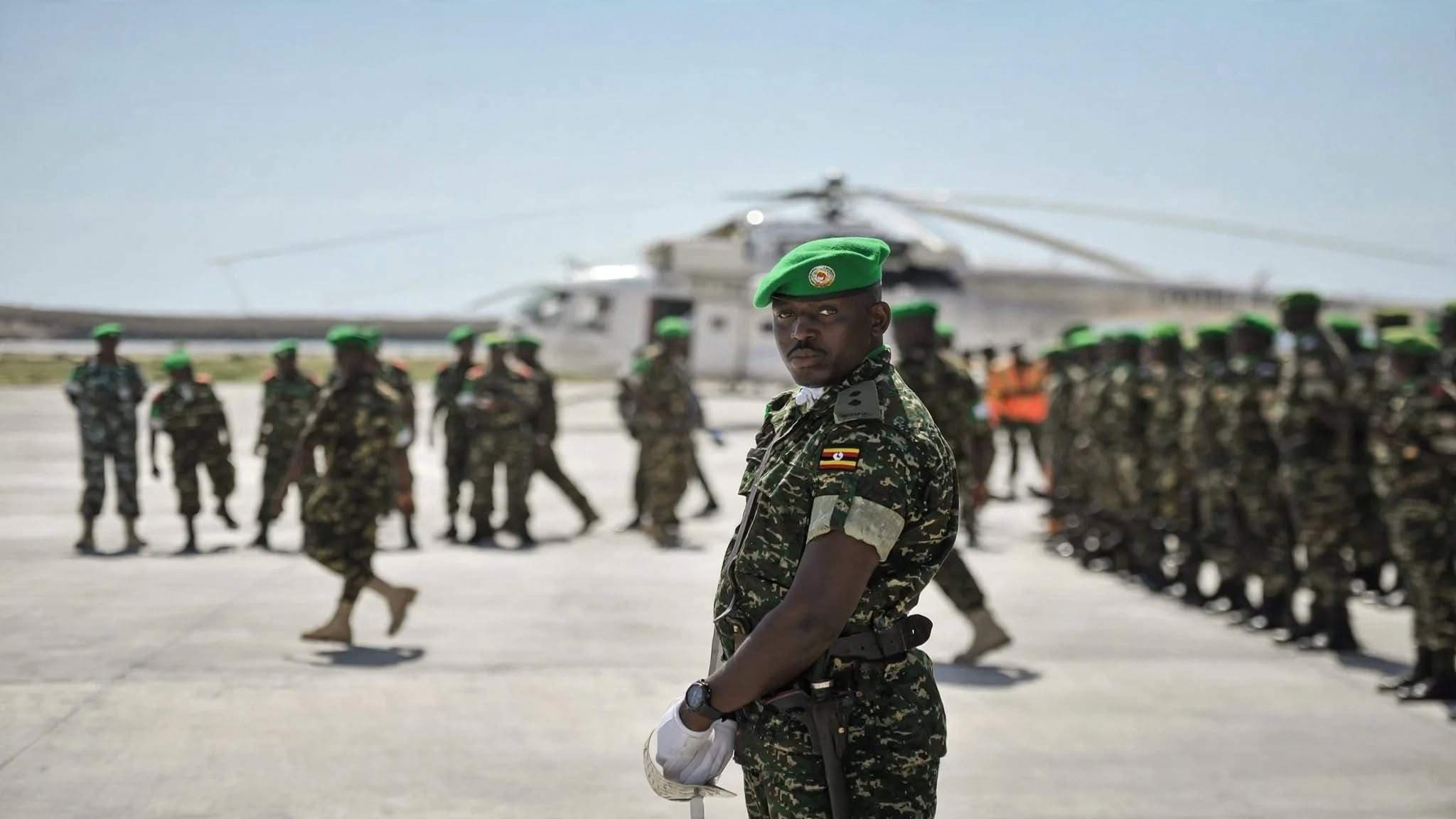
After nearly 20 years, thousands of deployments, and some of the toughest fighting on the continent, Uganda is finally packing up in Somalia. It’s the country that went in first when no one else would — and now it’s the first to say, we’re done.
So, what happens to Somalia when its biggest protector walks away?
What’s Actually Happening?
The Uganda People’s Defence Forces (UPDF) confirmed on Monday that it has officially started the drawdown of its troops from Somalia.
In a statement, the army said the withdrawal under its bilateral arrangement with the Federal Government of Somalia is effective immediately, with a full exit — including all troops serving under the African Union Support and Stabilisation Mission in Somalia (AUSSOM) — by the close of 2027.
According to figures reported by cbinewstv.com, Uganda currently has between 4,500 and 6,000 troops serving under AUSSOM and another 2,000 to 2,500 under a separate bilateral deal. That’s roughly 7,000 Ugandan soldiers on Somali soil.
The first batch — 109 soldiers — has already landed back home, according to Ugandan media reports this week.
This is not a drill. As Chief of Defence Forces Gen Muhoozi Kainerugaba put it: “There will not be UPDF in Somalia after that.”
Why Uganda Matters So Much:
Let’s rewind.
Uganda was the very first country to put boots on the ground in Somalia when the African Union authorised a peacekeeping mission in March 2007. At the time, Mogadishu was largely a warzone. AMISOM, as it was then called, was authorised to have up to 22,126 uniformed personnel, but in early 2007, Uganda was the only force actually there, holding less than 10% of the capital.
Since then, we’ve seen three iterations of the mission:
AMISOM (2007-2022) -> ATMIS (2022-2024) -> AUSSOM (2025 to date)
Uganda has remained the largest and most consistent troop contributor throughout. It spearheaded operations that pushed Al-Shabaab — the Al-Qaeda-linked insurgency that has waged war for nearly two decades — out of Mogadishu and most major southern towns.
It’s come at a huge cost. Over 19 years of rotations, Uganda has lost hundreds of soldiers. The Battle of Mogadishu in 2007-2011, the Westgate Mall retaliation links, the El Adde attack in 2016 — Ugandan families know these names all too well.
Behind the acronyms and troop numbers are real people.
For the Ugandan soldier in Lower Shabelle, it’s been months away from family in Gulu or Mbarara, patrolling in 40-degree heat, dodging IEDs and ambushes.
For the Somali market trader in Barawe who now sells under a Ugandan-guarded perimeter, it’s the fear of what comes next when that uniform leaves.
For nearly two decades, UPDF has been the closest thing to a national army Somalia had. Its medics have treated civilians, its engineers have rebuilt roads, its presence allowed schools to reopen. That human shield is now thinning.
So, Why Pull Out Now? – The Explainer
It’s not just Uganda’s decision. The whole international funding architecture is collapsing.
1. The money has dried up. The United States, which bankrolled the UN logistics mission that keeps AUSSOM fed, fuelled and flying, has withdrawn its funding. Washington says it’s frustrated by the lack of decisive progress against Al-Shabaab and the slow pace of political reforms in Mogadishu.
2. Donor fatigue. The EU, another major funder, has also been renegotiating its commitments. Without UN logistical support, the AU mission simply cannot sustain itself.
3. The transition plan. AUSSOM was always meant to be a transition mission — to hand full security responsibility to the Somali Armed Forces. Uganda says this withdrawal “will mark the end of Uganda’s enduring 20-year peace and stabilisation support operations in Somalia, permitting the Somali Armed Forces to assume full responsibility.”
The problem? Al-Shabaab still controls vast swathes of central Somalia. Despite being pushed out of cities, the group runs its own courts, collects taxes, and carries out deadly bombings weekly.
Why It Matters – For Uganda, Somalia and All of Us
For Somalia: This is a massive security vacuum test. Can the Somali National Army, which is still being rebuilt and struggles with clan divisions, hold territory that battle-hardened Ugandans fought for? If not, Al-Shabaab could surge back.
For Uganda: It’s the end of an era that defined the UPDF as a regional peacekeeping powerhouse. It also brings home thousands of experienced officers — but also raises a strategic question about Uganda’s influence in the Horn of Africa.
For Africa and the West: If AUSSOM unravels, it could become a textbook case of how peace missions fail when funding is politicised. With insecurity spilling into the Red Sea shipping lanes and jihadist groups expanding across the Sahel, a weakened Somalia is a global risk, not just a regional one.
What’s Next?
Here’s what to watch, as reported by cbinewstv.com:
Immediate: Phased withdrawal of bilateral troops first, then AUSSOM contingents. Expect handover ceremonies in key bases like Mogadishu, Baidoa and Kismayo over the next 12 months.
By Mid-2027: The Somali Armed Forces will be expected to take over forward operating bases. The AU and UN Security Council will have to decide whether to authorise a smaller, leaner follow-on force or go fully bilateral.
By the end of 2027: Full UPDF exit. No Ugandan boots left in Somalia for the first time since 6 March 2007.
The big question now is not just when Uganda leaves, but who will stay to make sure the last 20 years weren’t in vain.
Follow cbinewstv.com for more updates on this developing story.
#Uganda #UPDF #Somalia #AUSSOM #AMISOM #AfricanUnion #AlShabaab #HornOfAfrica #Peacekeeping #Mogadishu #Kampala #SecurityNews #CBINewsTV