



2027 Elections: CJN Swears in Tribunal Judges in Abuja
Last update: November 9, 2026
Disclaimer: This website may contain affiliate links, which means we may earn a commission if you click on the link and make a purchase. We only recommend products or services that we personally use and believe will add value to our readers. Your support is appreciated!
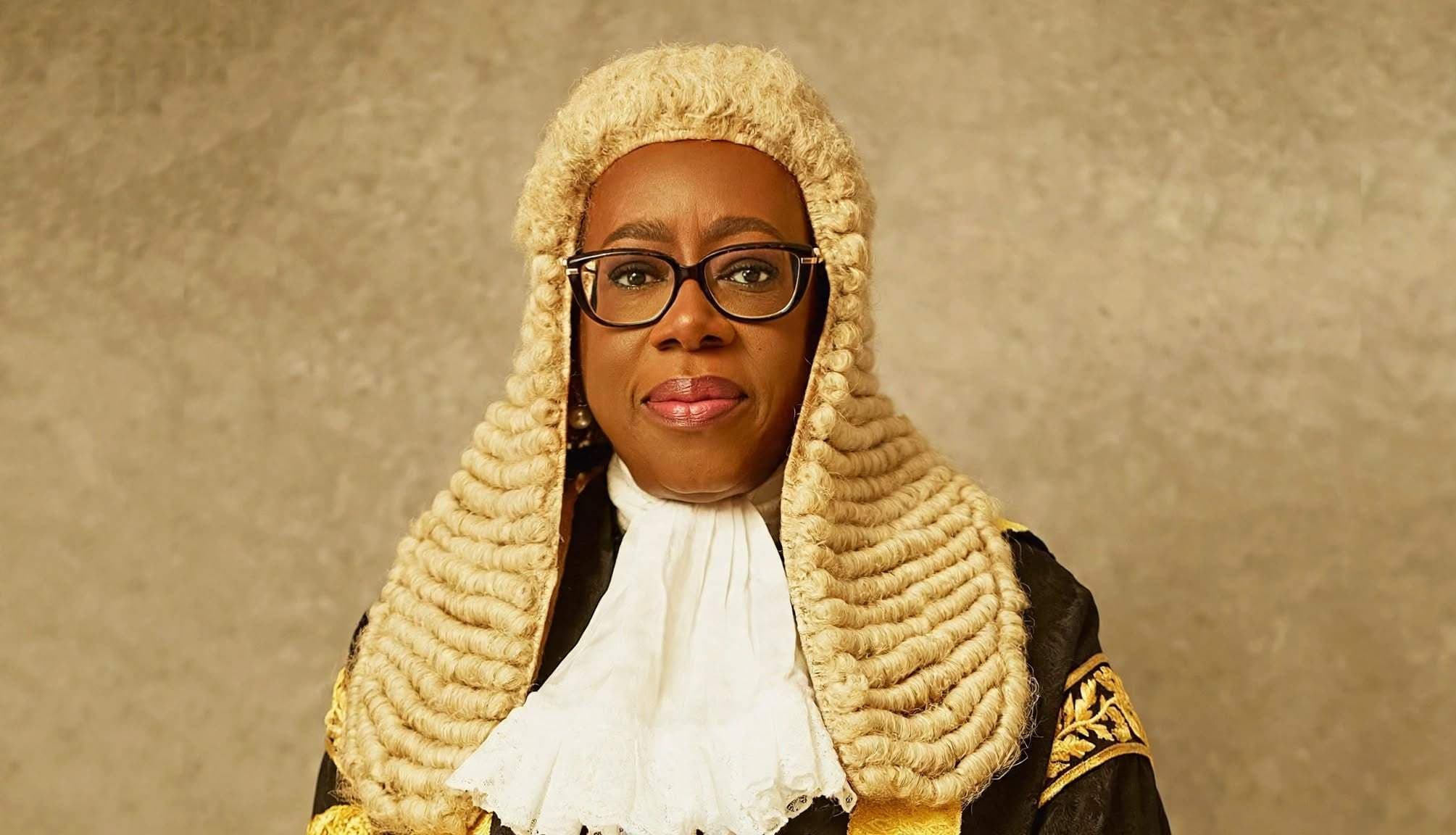
Imagine losing an election you believe you actually won, then waiting months, even years, for a court to tell you if your vote counted. That waiting room? That is exactly where Nigeria is heading again, and this week, the woman at the very top of the judiciary decided to get ahead of it.
In Abuja, the Chief Justice of Nigeria, Hon. Justice Kudirat Kekere-Ekun, has sworn in the judges who will sit on the Election Petition Tribunals for the 2027 General Elections. No long grammar. No wahala. Just a clear message: do your job, fear nobody, favour nobody.
So, What Actually Happened?
The ceremony took place at the Body of Benchers Auditorium in Abuja. It was not just a swearing-in. It doubled as the launch of the second edition of the Judicial Electoral Manual and a specialised capacity-building workshop for the new tribunal members.
Justice Kekere-Ekun charged the judges to stick strictly to their oaths, resist external political pressure, and administer justice without fear or favour as Nigeria prepares for another major electoral cycle.
She also reminded them of something lawyers know too well: the law does not give them forever. The statutory and constitutional timelines for deciding election petitions leave absolutely no room for delays, adjournments for fun, or sloppy case management.
And she did not stop with the judges. She had words for everyone else too: lawyers, political parties, media houses, and all of us on social media. Stop the unethical tactics. Stop abusing ex parte orders. Stop running online campaigns to prejudge cases or intimidate judges before they even hear evidence.
Her point was simple: democracy is not a one-woman job. INEC must do its work. Security agencies must do theirs. The Bar must behave itself. But the judiciary has only one job: to resolve disputes strictly according to the law and the evidence.
Why This Is Not Just About Judges In Wigs.
Let us bring it home.
Behind every petition is a real person. A candidate who campaigned in the rain. A voter in Kano, Enugu, Lagos or Maiduguri who queued for hours, got accredited, thumb-printed, and went home believing their vote would count. A young polling agent who stayed up all night watching results upload.
When tribunals work well and work fast, those people get closure. When they drag, or when people suspect they have been bought, trust collapses. And once trust collapses, people stop believing in ballots and start believing in the streets.
That is why the CJN kept returning to integrity. She is Nigeria’s second female CJN in history and the 23rd substantive holder of the office, sworn in on 30 September 2024 after Senate confirmation. She knows the judiciary is being watched, not just by lawyers, but by ordinary Nigerians who have watched election cases become national drama year after year.
We Have Been Here Before
Nigeria did not invent election tribunals yesterday. Since the return to democracy in 1999, almost every general election has ended up in court. It has almost become a second election, this time fought with exhibits, witnesses and written addresses.
Just look at 2023 for a sense of scale. A total of 1,196 petitions were filed after those polls. Of those, 712 were dismissed and 179 withdrawn, meaning that in 891 cases, 74.4%, the tribunals found no merit and affirmed INEC’s results.
Other analyses put the total even slightly higher at 1,209 petitions, including 5 for the presidential election, 83 for governorship, 148 for senatorial districts, 416 for federal constituencies and 557 for state constituencies.
Translation? Tribunals are not a side show. They are where hundreds of mandates are confirmed, overturned or returned for rerun. That is why swearing them in early matters.
The INEC Angle: Tech, Trust And Deepfakes
Also speaking at the three-day workshop in Abuja was the INEC Chairman, Prof. Joash Amupitan, SAN.
His message was that INEC’s readiness is tied directly to how well the courts work. In his words, election petition tribunals are the ultimate constitutional safety valves, the pressure-release system that helps de-escalate political friction and secure public trust under the Rule of Law.
He also flagged the new battlefield: technology.
Systems like the Bimodal Voter Accreditation System (BVAS) and the INEC Result Viewing Portal (IReV) have made accreditation and result-viewing more transparent than in the old days of manual collation. But now, the judiciary must also navigate AI-generated deepfakes and other digital tricks designed to spread misinformation and confuse voters before, during and after the polls.
In other words, judges in 2027 will not just be deciding whether ballot papers were thumbprinted correctly. They may have to decide whether a viral video was real, doctored, or completely generated by AI.
Why It Matters
1. It sets the tone early. Swearing in tribunals months before voting tells politicians: the referees are already on the pitch.
2. It protects your vote. If a result is disputed, there is a lawful, time-bound way to challenge it, instead of resorting to violence.
3. It fights delay tactics. With strict timelines, lawyers cannot frustrate cases with endless adjournments.
4. It warns against trial by social media. A hashtag should not decide a mandate. Evidence should.
For a country with over 103.4 million registered voters on INEC’s preliminary register uploaded on 26 October 2026, that trust is not abstract. It is the difference between a peaceful election and a disputed one.
What Is An Election Petition Tribunal, Really?
Think of it like this:
What it is: A special court set up specifically to hear complaints about an election result.
Who goes there: A candidate or party who believes an election was not conducted properly, or that the wrong person was declared the winner.
What it does: It examines evidence, hears witnesses, looks at BVAS records, result sheets, and other materials, then decides whether to uphold the result, nullify it, order a rerun, or declare another winner.
How fast? Very fast, by court standards. The Constitution and Electoral Act impose strict timelines because Nigeria cannot afford to have a governor or lawmaker sitting in office for two years while their election is still in court.
What is the Judicial Electoral Manual? Basically, the playbook. The second edition launched at this event is meant to give judges a consistent, updated guide on electoral law, procedure, and emerging issues like technology and digital evidence, so a case in Sokoto is not decided completely differently from a case in Bayelsa.
Key Dates To Put In Your Diary
Mark these down now, because everything else flows from them:
- Saturday, 16 January 2027: Presidential and National Assembly Elections
- Saturday, 6 February 2027: Governorship and State Houses of Assembly Elections
Those dates were fixed under INEC’s revised timetable. Campaigns, primaries, and tribunal timelines all build around them.
What Happens Next? Next Steps To Watch
1. Training continues: The three-day workshop for justices and tribunal members in Abuja is meant to sharpen them on the new manual, case management, and digital evidence.
2. Tribunals get constituted nationwide: Expect panels to be deployed across states ahead of the polls, ready to receive petitions once results are declared.
3. INEC finalises readiness: INEC says it has already completed nine of its 14 major milestones for 2027. Watch for the final register, logistics, and BVAS/IReV testing.
4. Parties and lawyers, behave: The CJN’s warning on ex parte abuse and media trials will be tested very quickly once petitions start flying.
5. Citizens, stay alert: Verify videos before sharing. A deepfake shared in anger can do more damage than a rigged ballot box in a single polling unit.
The Bottom Line From Abuja:
This was not just a ceremony with handshakes and photographs. It was a declaration of intent: Nigeria wants its 2027 elections disputed, if they must be disputed, in courtrooms, not on the streets, and decided on law and evidence, not on noise and pressure.
Whether that promise holds will depend on all of us, judges, politicians, journalists, and voters alike.
Source: cbinewstv.com
#CBI NewsTV #NigeriaDecides2027 #ElectionPetitionTribunal #CJN #KekereEkun # INEC #BVAS #IReV #NigeriaElections #RuleOfLaw #Democracy #Abuja #VoteCounts #Deepfake #ElectoralJustice